

Shoulder Pain Treatment in Collingwood
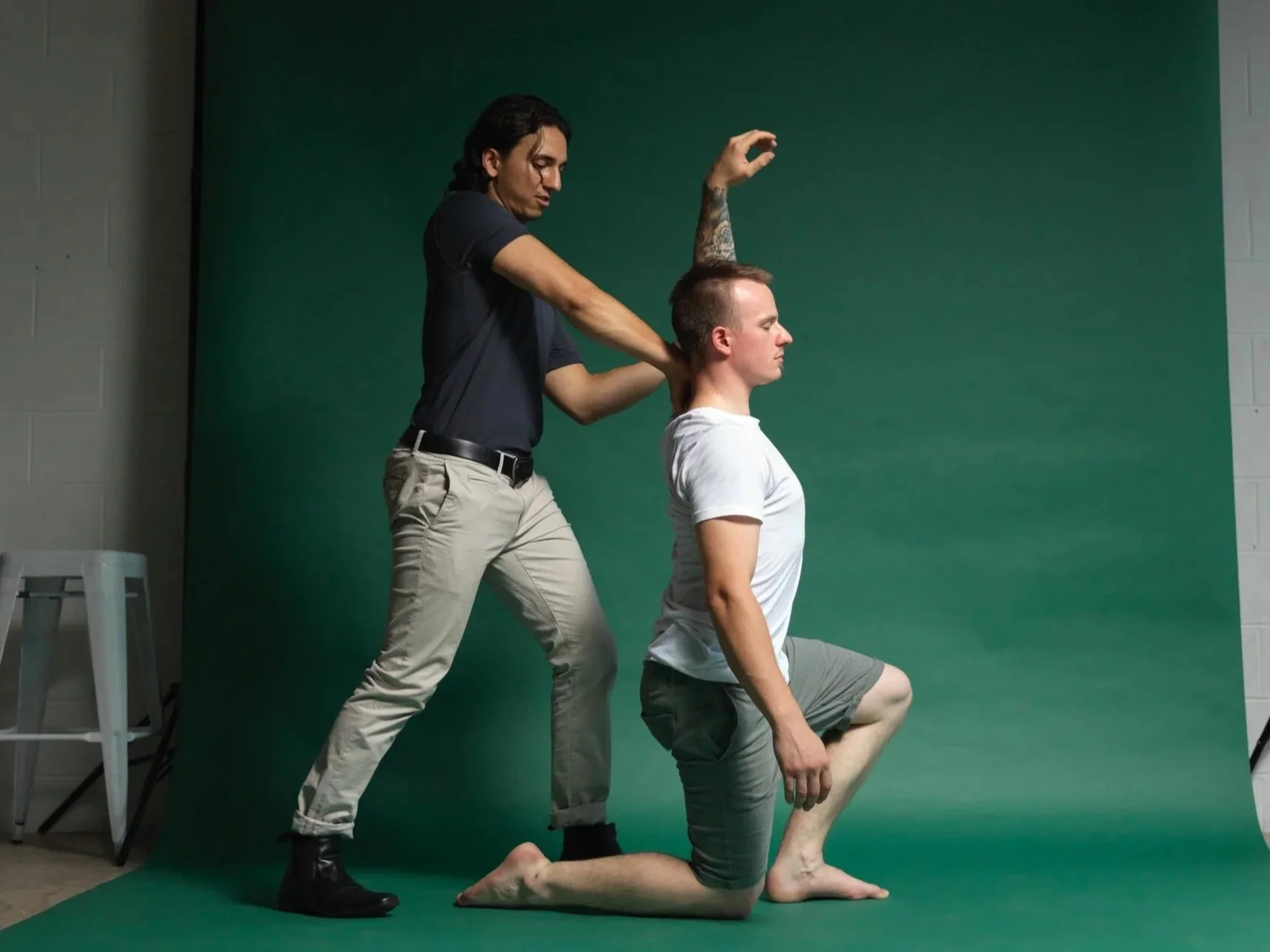
Shoulder pain is one of the most common musculoskeletal complaints we see and one of the most disruptive. Whether it's a dull ache that's been there for months, a sharp pinch when you reach overhead, or stiffness that wakes you at night, shoulder pain can be debilitating.
At Lionheart Integrative Therapies, our Collingwood physiotherapy team takes an integrative approach to shoulder pain. We don't just treat the site of pain, we look at the whole biopsychosocial picture; movement, sleep, stress management & lifestyle factors.
Common Shoulder Conditions We Treat
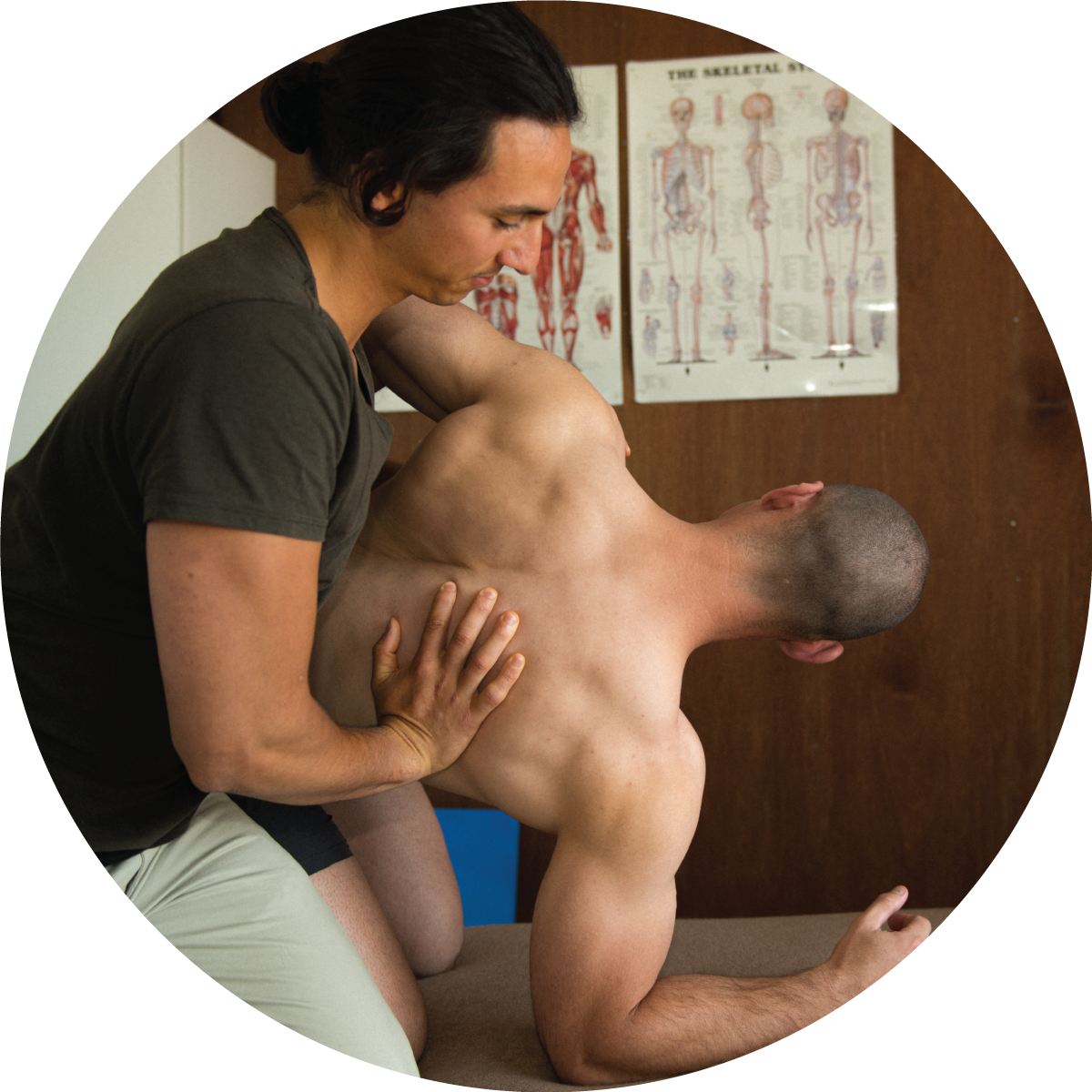
The shoulder is the most mobile joint in the body, which makes it remarkably capable yet susceptible to injury. We work with a wide range of shoulder conditions including:
-
The rotator cuff is a group of four muscles and tendons that stabilise your shoulder and control its movement. Tears, strains, and tendinopathy in these structures are among the most common causes of shoulder pain, particularly in people who lift, swim, throw, or spend long hours sitting. You may notice weakness overhead, pain reaching behind your back, or a deep aching in the shoulder after activity or disuse.
-
Frozen shoulder develops when the capsule surrounding the shoulder joint becomes inflamed, thickened, and tight progressively limiting movement in all directions. It typically unfolds in three stages: freezing, frozen, and thawing. Without treatment, this process can last one to three years. With the right intervention, recovery timeframes can be significantly accelerated.
-
Impingement occurs when the tendons of the rotator cuff or the shoulder bursa become compressed under the bony roof of the shoulder (the acromion) during overhead movements. It presents as a painful arc, a specific range of movement where pain spikes, and is often tied to postural habits, muscle imbalances, repetitive overhead activity and chronic postural imbalances.
-
Bursae are small fluid-filled sacs that cushion the structures of the shoulder. When a bursa becomes inflamed, often from overuse, impact, or as a downstream effect of impingement, it causes pain, swelling, and significant tenderness that can make even slight movements uncomfortable.
-
The AC joint connects the collarbone to the top of the shoulder blade. It's frequently injured in falls onto an outstretched hand, contact sports, or direct blows to the shoulder. Pain at the top of the shoulder, particularly with reaching across the body, is a classic indicator.
-
The labrum is a ring of cartilage that deepens the shoulder socket and provides stability. SLAP tears (affecting the top of the labrum) and other labral injuries often result from overhead sports, heavy lifting, or traumatic falls. Symptoms include deep aching, a clicking or catching sensation, and instability with certain movements.
-
When the structures that hold the shoulder in its socket are compromised, through dislocation, repetitive laxity, or connective tissue hypermobility, the shoulder can feel unstable, loose, or like it might "give way." This is particularly common in young athletes and in people with generalised hypermobility.
-
Not all shoulder pain originates in the shoulder. Irritated nerves in the cervical spine, trigger points in the thoracic region, and restricted rib movements can all produce secondary pain that feels like it's in the shoulder. Part of our assessment is always ruling in or out a spinal contributor to your symptoms.
-
Long hours sitting, sustained technology use, and sedentary habits can load the shoulder in ways it wasn't designed for. Protracted scapula, a forward head posture, and reduced thoracic mobility gradually overburden the shoulder tissues, leading to pain that's often misdiagnosed as local shoulder pathology.
When Should You Seek Treatment?
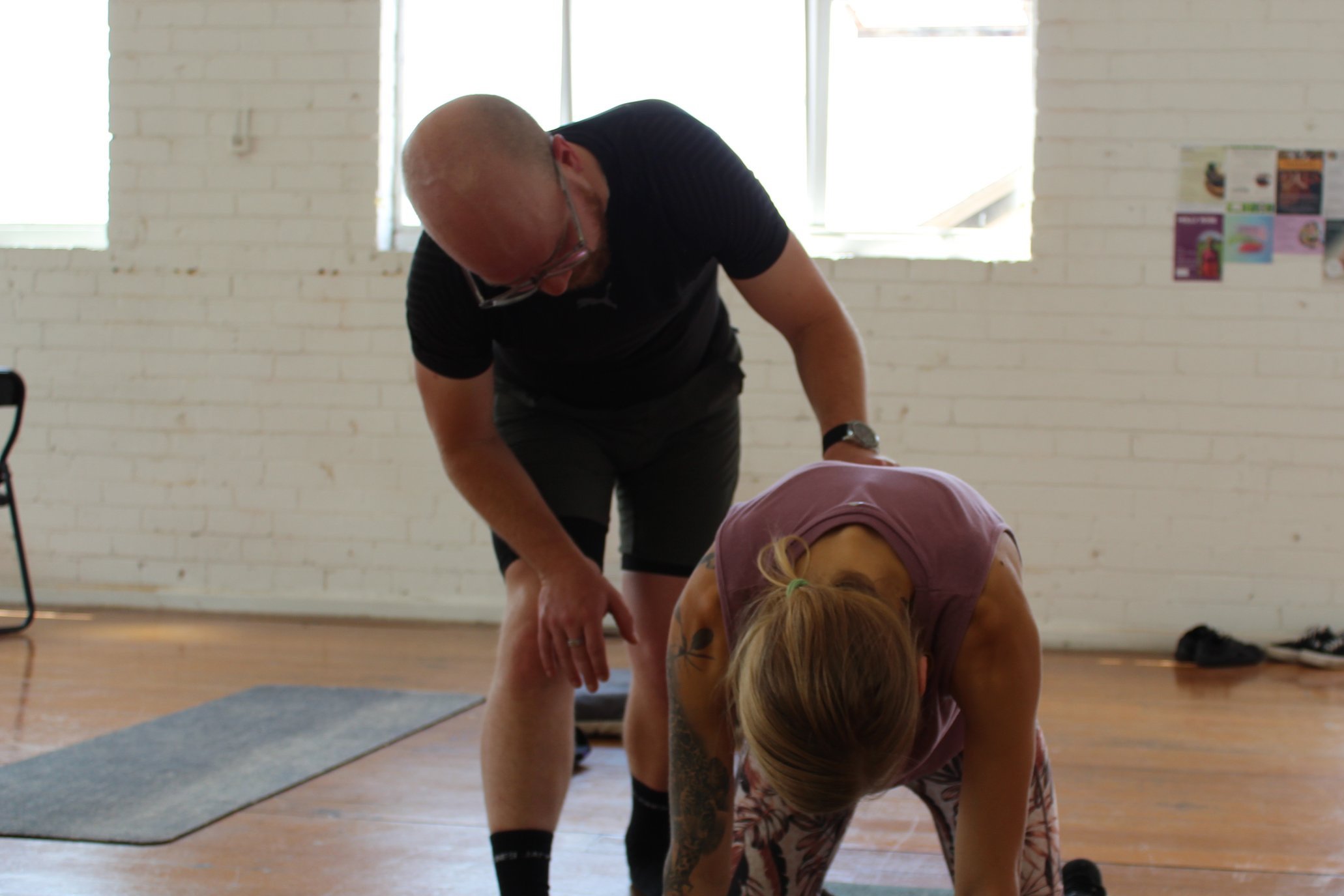
Shoulder pain worth getting assessed includes:
Pain with reaching overhead, behind your back, or across your body
Aching in the shoulder at rest or that disrupts your sleep
Stiffness or a reduced range of movement
A clicking, catching, or grinding sensation in the joint
Weakness when lifting, pushing, or pulling
Pins and needles or numbness travelling into the arm or hand
Shoulder pain that persists beyond two to three weeks without improvement
The longer shoulder pain is left unaddressed, the more the body compensates creating secondary tension in the neck, upper back, and even the opposite shoulder. Early intervention generally means a shorter, more straightforward recovery.
How We Treat Shoulder Pain
We approach shoulder pain the same way we address any presentations of pain.
Through our biopsychosocial model; The Physical Freedom Method™ we integrate manual, movement and energetic therapies that help the whole person,
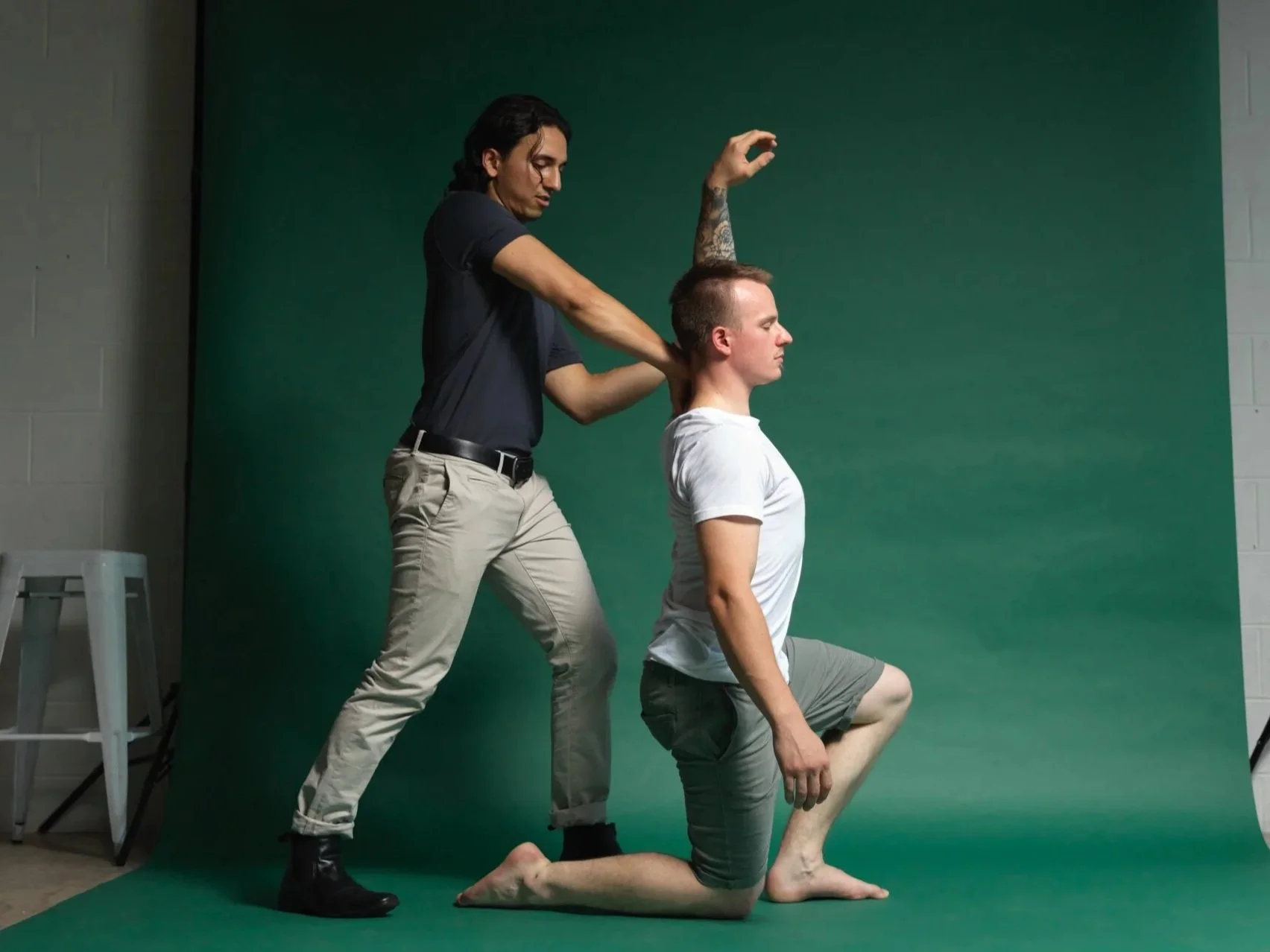
Physiotherapy
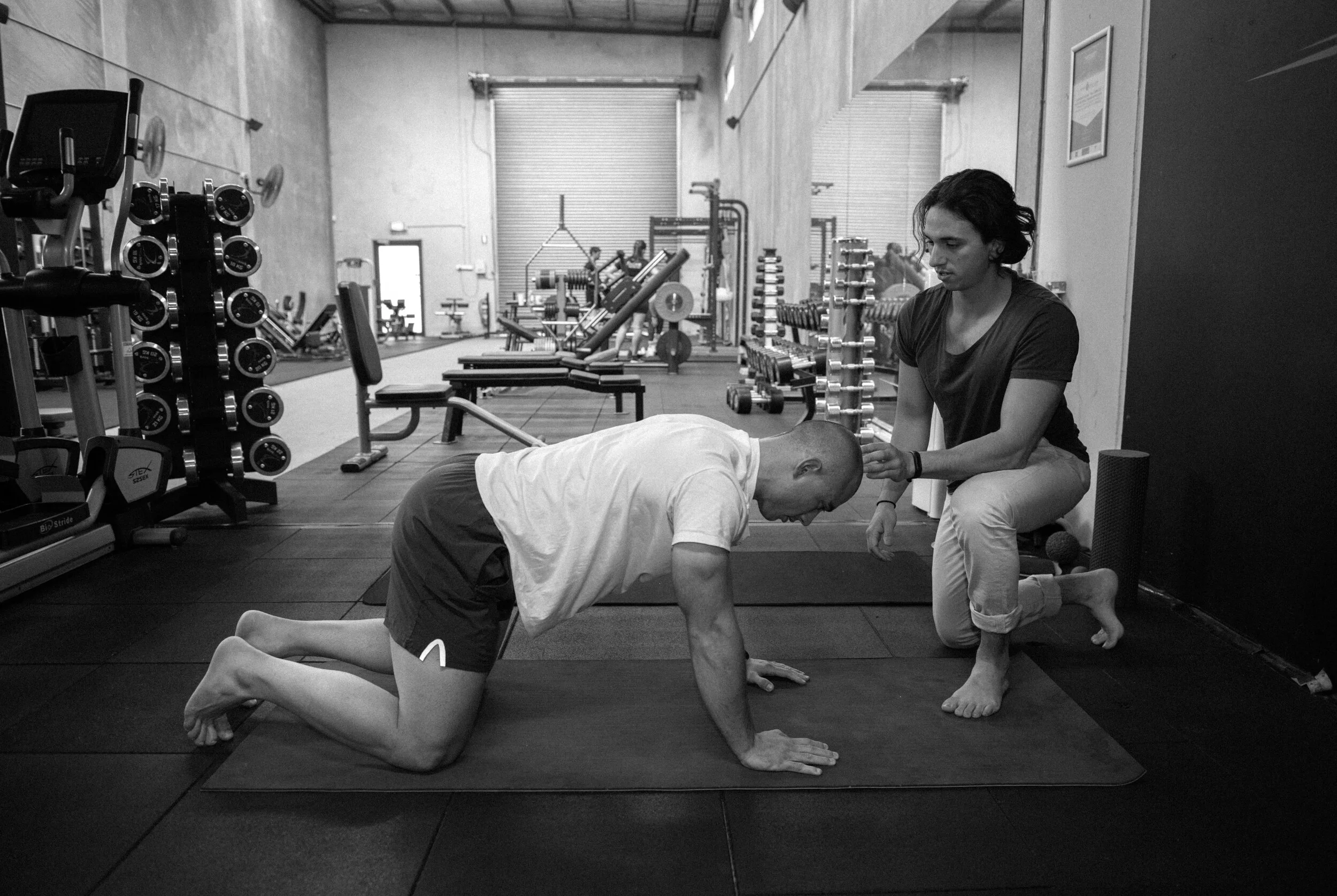
Our lead physiotherapist Jesse takes a thorough, evidence-based approach to shoulder assessment and treatment. Your first appointment will include a detailed case history and physical examination looking at posture, range of motion, strength, shoulder blade control, and movement quality to identify what's driving your pain. Treatment typically involves a combination of manual therapy, dry needling, joint mobilisation, and a progressive rehabilitation program tailored to your goals.

Remedial Massage
Shoulder pain rarely travels alone. The muscles of the upper back, neck, chest, and arm are intimately connected, and dysfunction in any of these regions can perpetuate shoulder symptoms long after the primary injury has resolved. Our remedial massage therapists work alongside the therapy team to release the surrounding myofascial environment, reducing referred pain, improving tissue texture, and helping you feel better faster.
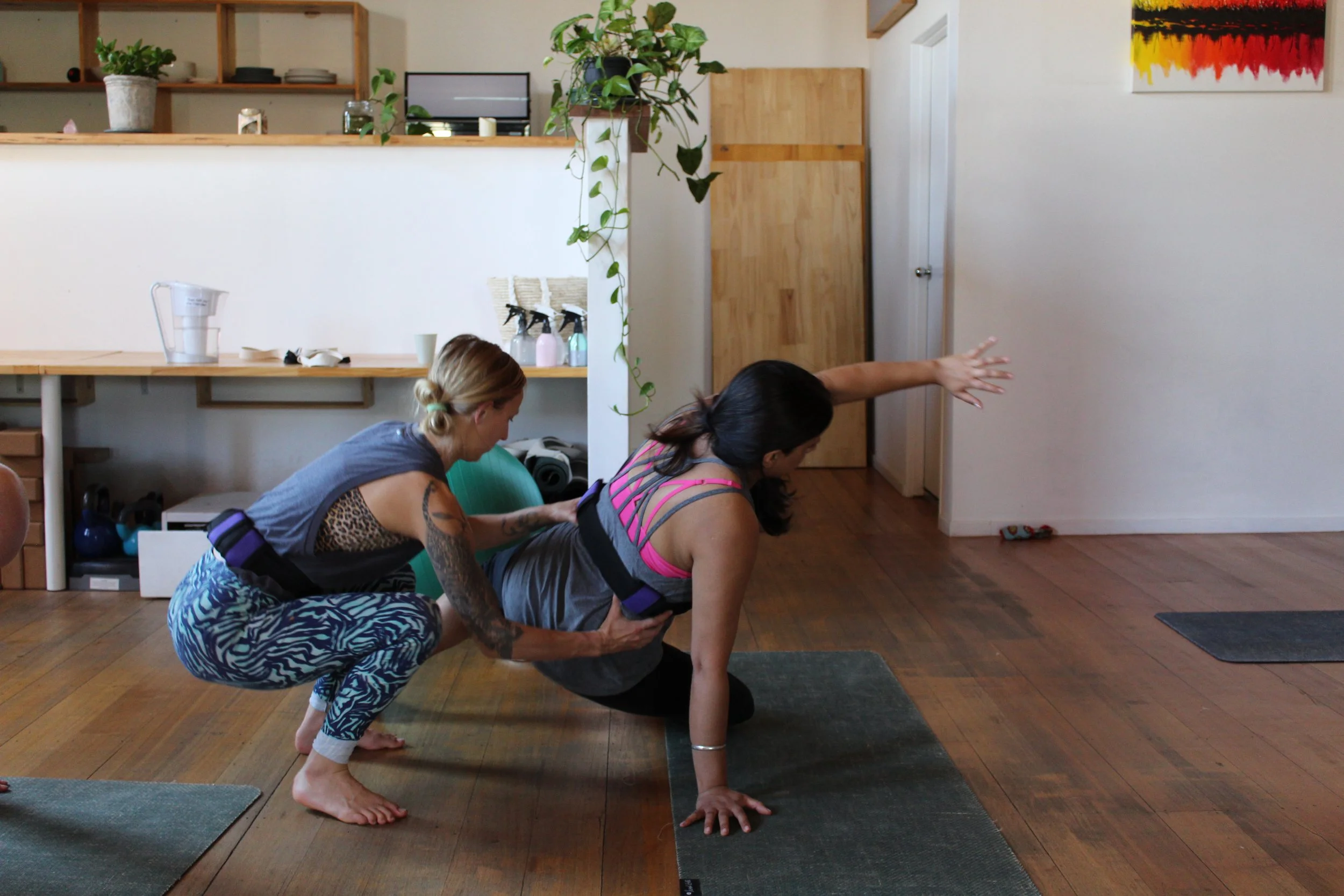
Dynamic Neuromuscular Stabilisation (DNS)
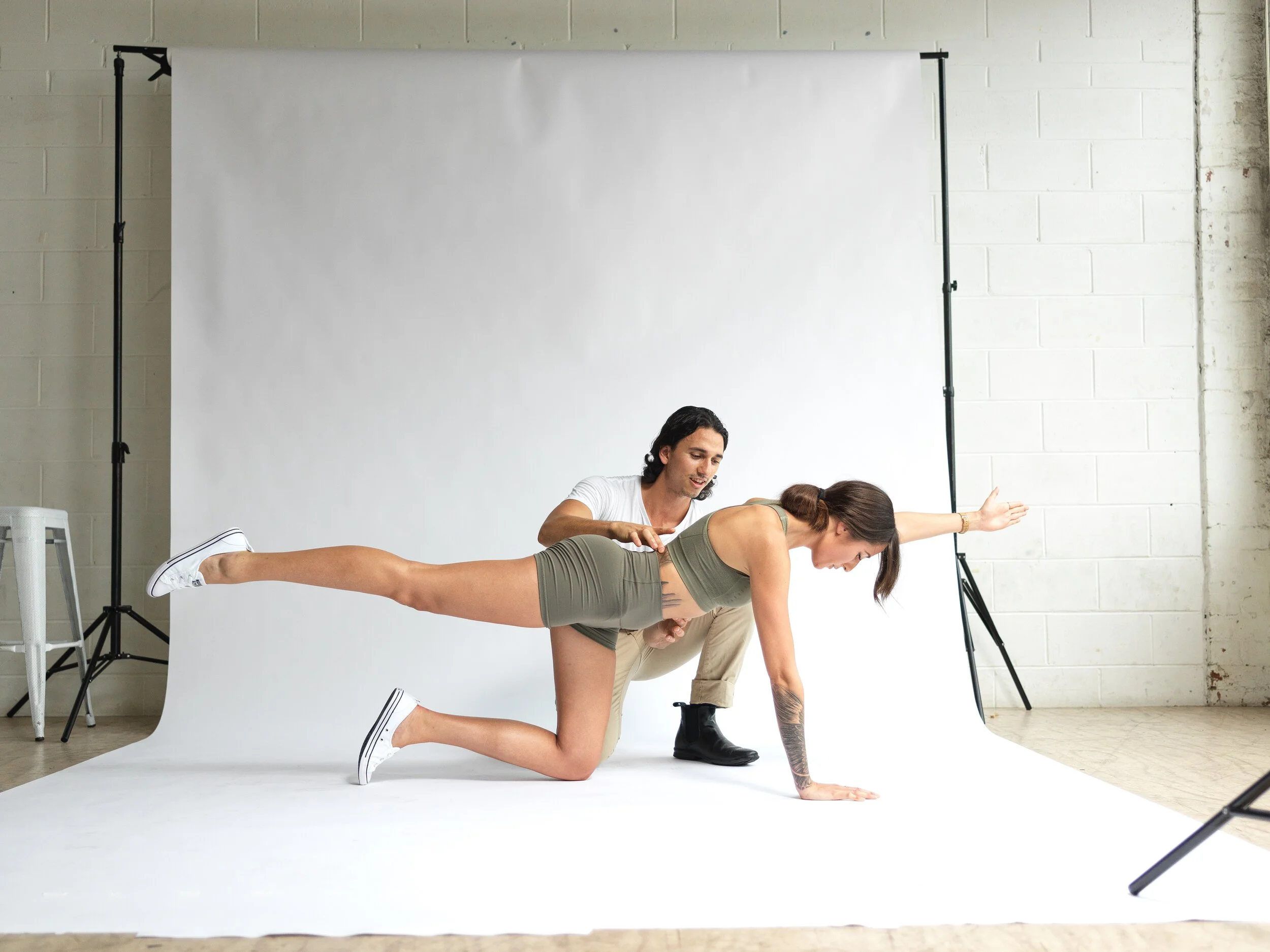
DNS is a specialised rehab approach based on developmental movement patterns that activates the deep stabilising system of the spine and shoulder girdle. For shoulders that keep re-injuring, feel "unstable," or haven't responded to conventional physiotherapy exercises, DNS offers a specific entry point that involves reprogramming the nervous system's control of movement rather than just targeting the symptomatic tissue through generic exercises. All of our physiotherapists, remedial massage therapists, personal trainers and Yoga teachers are educated in DNS principles.
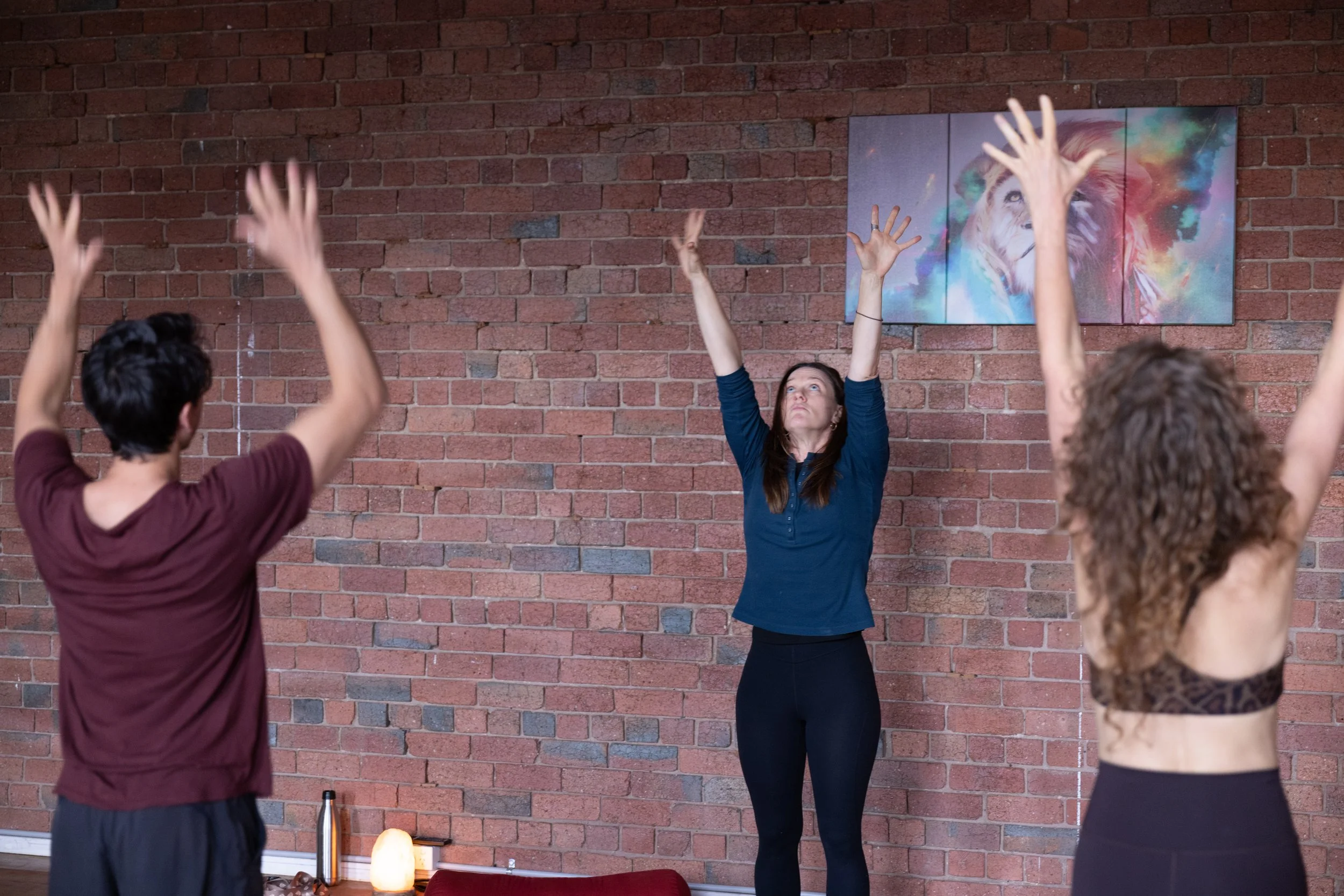
Yoga
With our resident yoga teachers, we offer holistic support for people recovering from shoulder injuries. Yoga practices can be a powerful complement to physiotherapy, building stability, restoring mobility in the shoulder, and addressing the postural, breathing & lifestyle habits that often underlie persistent shoulder pain.
What to Expect at Your First Appointment
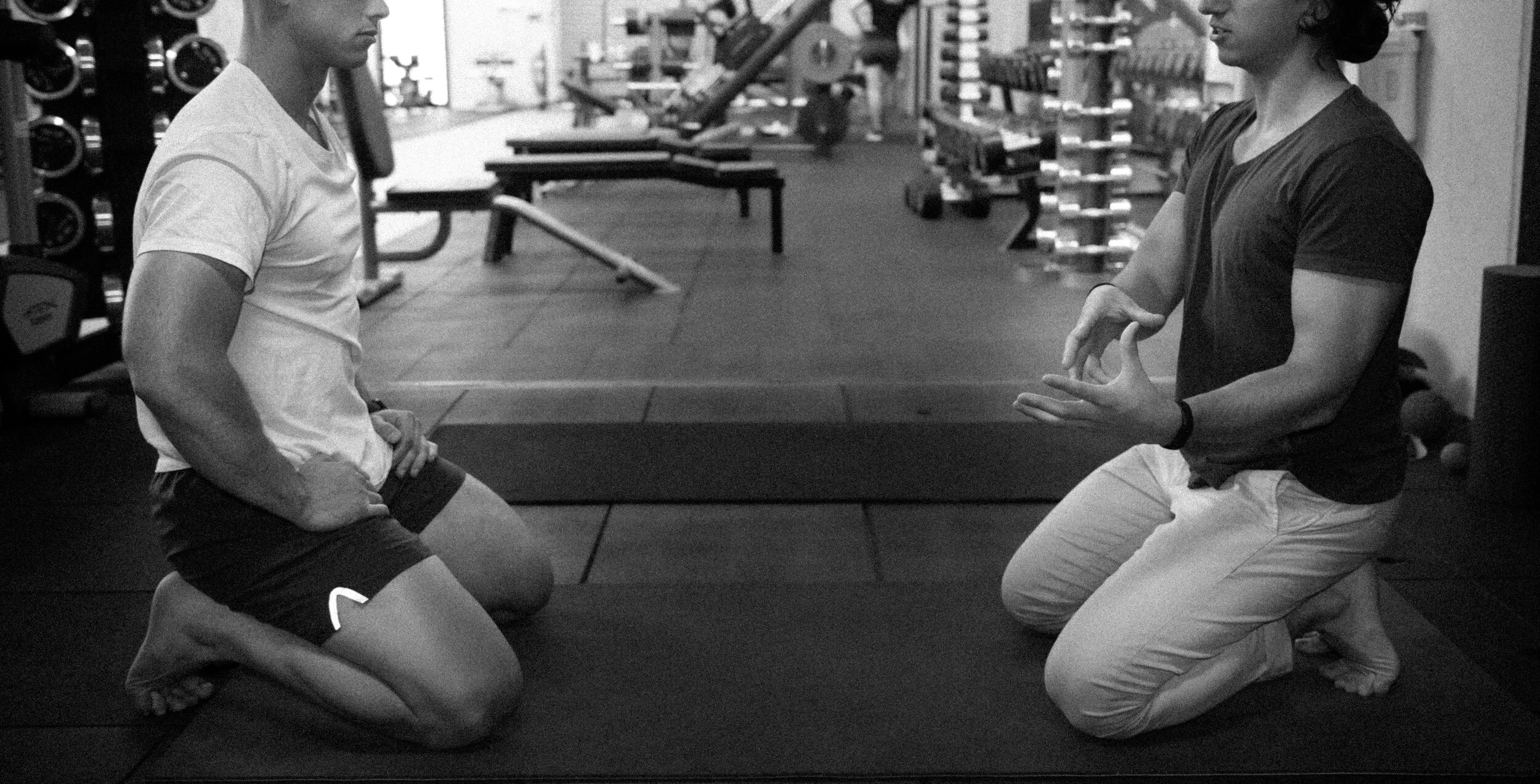
Your first visit is an opportunity for us to really understand what is going on. We'll listen to your history, understand how the pain is affecting your life, and conducting a thorough physical assessment of your shoulder, neck, and thoracic spine.
From there, we'll explain what we think is happening in plain language, outline a realistic treatment plan, and get started, often providing immediate relief in the first session. You'll leave with a clear sense of what's causing your pain and what we're going to do about it together.
Most people with shoulder pain start to notice meaningful improvement within four to six sessions. Complex or chronic presentations may take longer.
Frequently Asked Questions
-
Recovery time depends heavily on the nature and duration of the injury. A simple shoulder strain may be resolved in two to four weeks with physiotherapy. Rotator cuff tendinopathy typically takes six to twelve weeks of consistent rehabilitation. Frozen shoulder — even with treatment — can take three to twelve months to fully resolve. The earlier you start treatment, the better your prognosis.
-
For the vast majority of shoulder conditions, physiotherapy is the first-line treatment and is highly effective without surgery. This includes rotator cuff tears (even partial thickness tears often heal well conservatively), frozen shoulder, impingement syndrome, bursitis, and instability. Surgery is generally considered only when conservative management has failed over a meaningful period of time.
-
This depends on your specific condition and the stage of healing. As a general guide, ice is useful for acute injuries to numb pain, and heat is more appropriate for releasing tension, stiffness & promoting circulation. Your physiotherapist will advise you based on your presentation.
-
In most cases, yes with modifications. Staying active generally supports recovery better than rest alone. However, pushing through sharp pain or loading the shoulder beyond what it can tolerate can slow recovery. Your physio will give you clear guidance on what to avoid and what to keep doing.
-
Absolutely. Remedial massage is particularly effective for reducing muscular tension in the upper trapezius, levator scapulae, pectorals, and rotator cuff — all of which commonly contribute to shoulder pain. It's best used as a complement to physiotherapy rather than a standalone treatment for structural injuries.
-
No referral is needed. You can book directly online or by calling us on +61 468 496 596.
-
Provide your claim number and approval for physiotherapy treatment prior to the time of your first booking and we'll make sure we have everything in place for your first visit.
Ready to Get Your Shoulder Moving Again?
Shoulder pain rarely improves on its own and the longer it's left, the harder it can be to unravel.
Our Collingwood team is here to help you understand what's going on, get on top of the pain, and move freely again. Book your shoulder assessment today.
188–190 Johnston Street, Collingwood, Melbourne
+61 468 496 596
info@lionheart.earth