

Low Back Pain
Looking for an integrative physiotherapist in Collingwood?
At Lionheart, we treat low back pain with a root-cause, integrative physiotherapy approach assessing how your posture, breathing mechanics, movement control, training loads, stress, and recovery capacity are contributing to your symptoms.
Low back pain often persists or returns because the spine is compensating for how the ribcage, pelvis, hips, and breathing mechanics are coordinating under load.
In this video, Jesse David Soopaya explains a root-cause approach used in physiotherapy at Lionheart in Collingwood. We look at posture and spinal-pelvic alignment, breathing strategy and intra-abdominal pressure control, and movement patterns such as hinging, bending, lifting, and walking.
A key focus is movement control how the system stabilises and transfers force. This is where Dynamic Neuromuscular Stability (DNS) principles can be useful, especially when the back is doing too much work because support from the trunk and hips is not organised efficiently.
If your low back pain is recurring, the priority is to understand what’s driving it, reduce irritation, and rebuild capacity with a clear plan rather than cycling through temporary relief.
If you want an assessment and a structured path forward, book an initial physiotherapy assessment in Collingwood.
Root cause assessments for low back pain
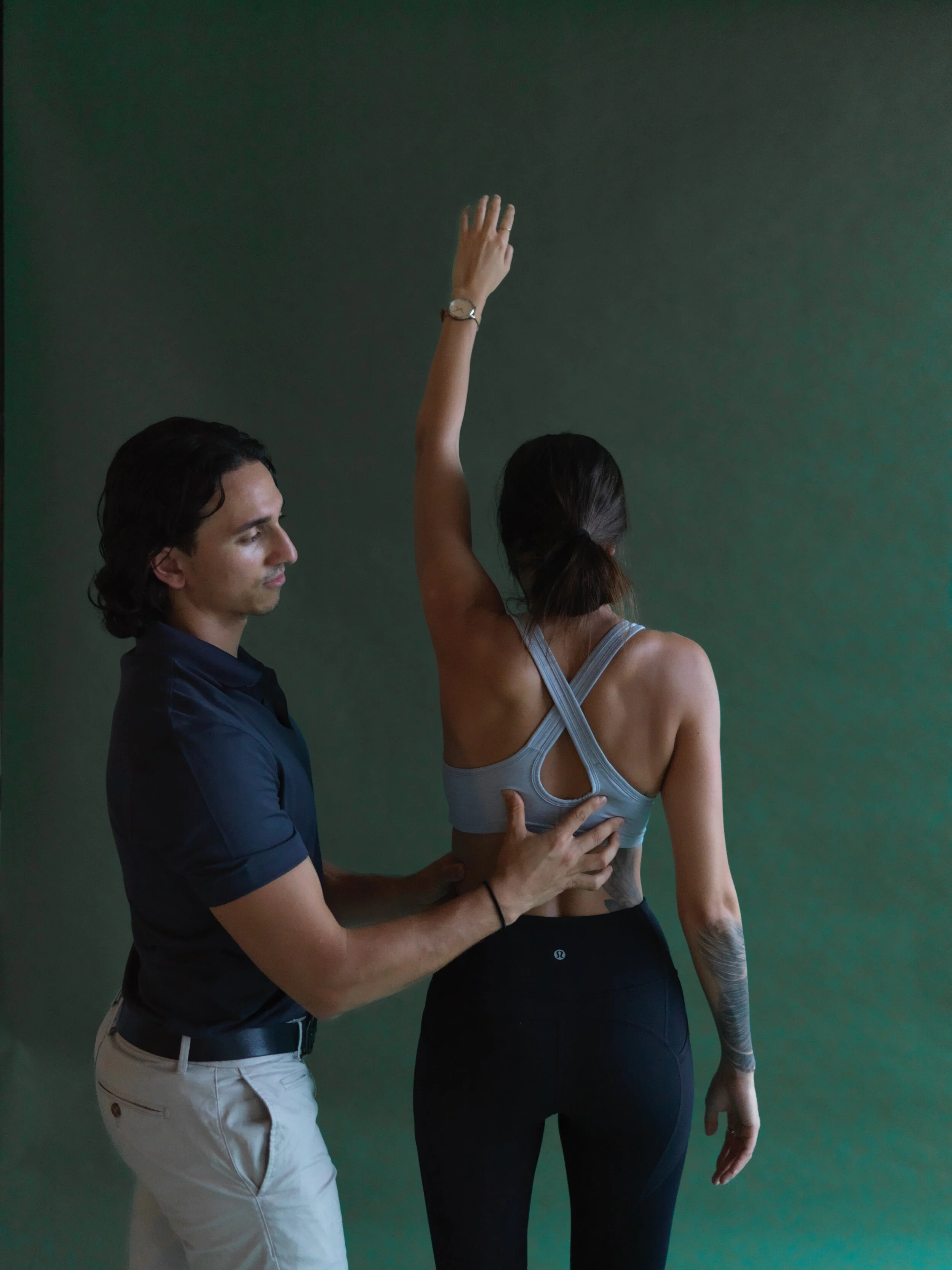
Low back pain can present as stiffness, spasms, nerve irritation, recurring flare ups, or a persistent ache. In many cases, the drivers are faulty movement patterns relating to how the ribcage, pelvis, hips, diaphragm, and nervous system are coordinating.
An initial integrative physiotherapy assessment includes:
Postural alignment screening.
Functional movement assessment.
Breathing strategy testing.
Joint mobility and control screen.
Load tolerance and training history.
Red flag screening and referral pathways.
What treatment may include
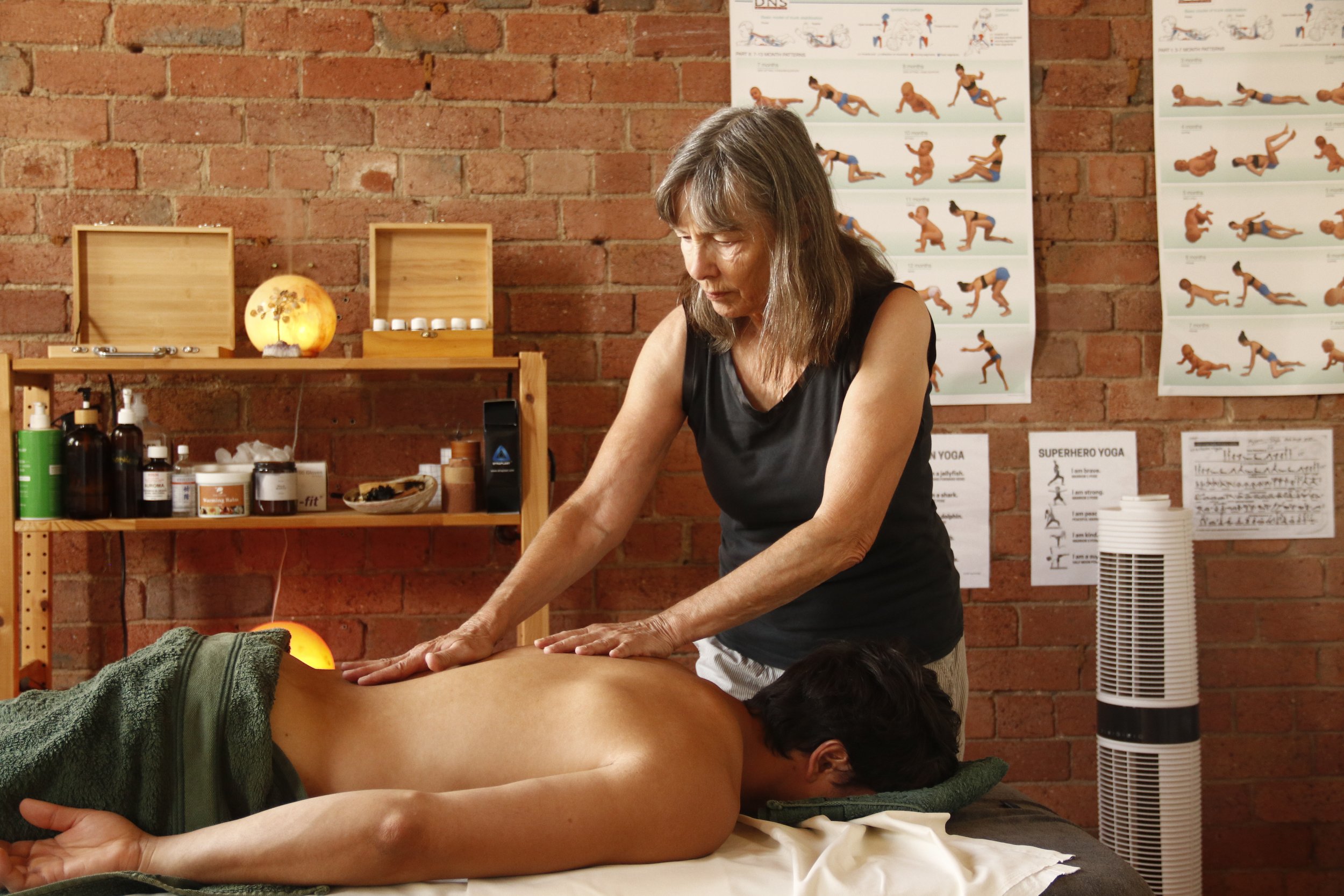
Depending on symptom drivers, treatment may invovle:
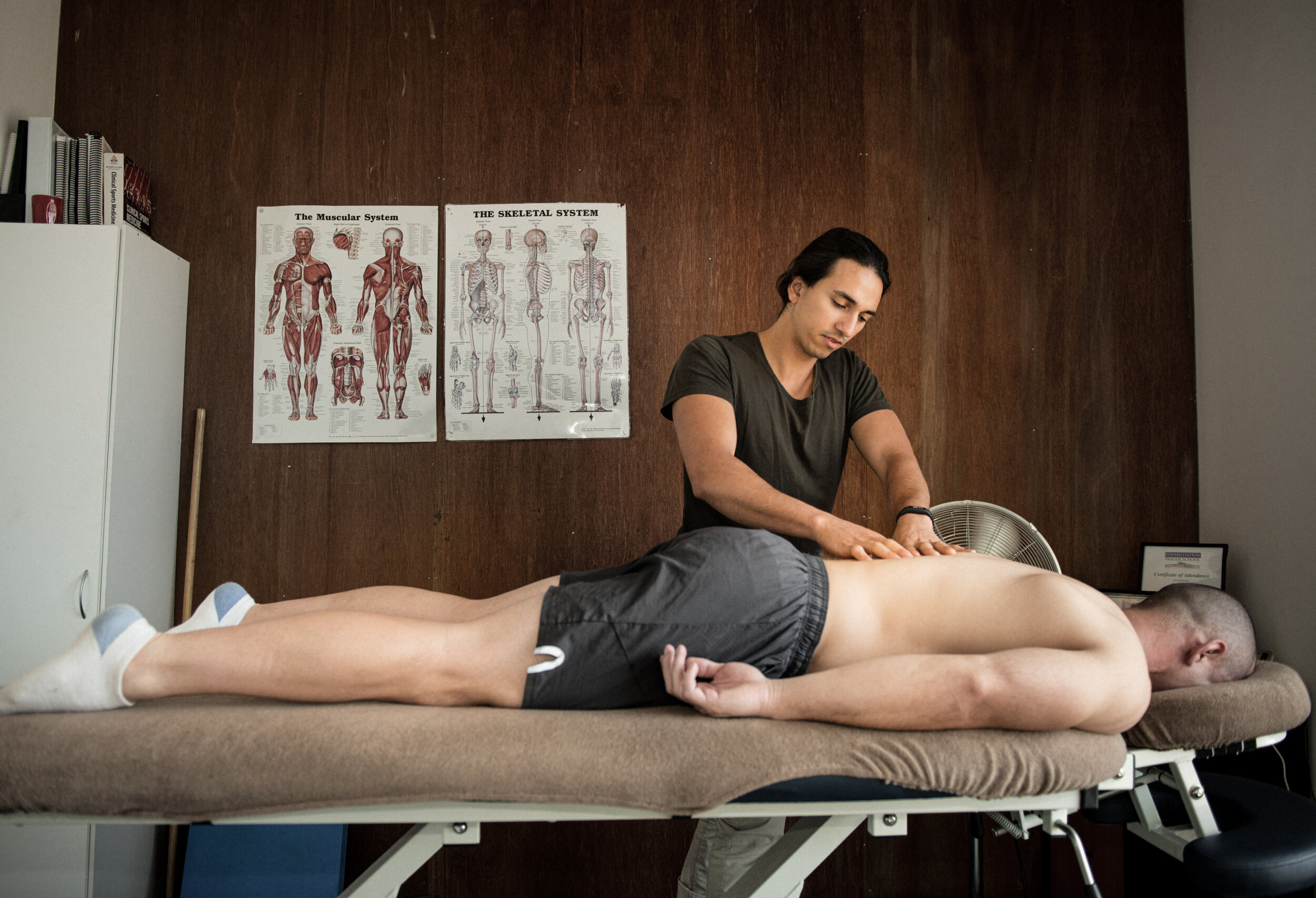
Manual therapy and soft tissue work to reduce protective tone
Targeted movement retraining
Breath retraining
Strength and conditioning
Practical load and recovery strategies
Every client is given a clear 6-12 week recovery plan with what to do immediately, what to avoid temporarily, and what to build toward.
Frequently Asked Questions
-
Not always. Many cases improve with integrative care. Imaging is considered when clinically indicated or if symptoms persist or present with red flags.
-
It depends on the duration of symptoms, drivers of pain, and your goals. Our recovery programs are 6-12 weeks. We review progress and adjust the plan as your capacity changes.
-
Yes, we assess & treat nerve-related symptoms and the associated contributing dysfunctional movement patterns. If the presentation suggests a different referral pathway is needed, we’ll advise accordingly.
-
A client centred, evidence-informed biopsychosocial approach to physiotherapy that addresses pain, injury, and movement dysfunction by considering physical, mental, emotional, and energetic health.
-
Yes. DNS principles are used to improve movement efficiency, postural control, and coordination.
-
Yes. We regularly work with lifters and athletes often refining body mechanics, breathing & bracing strategies, functional joint mobility restoration and load progression.
-
Yes. Our Collingwood clinic is close to Fitzroy, Abbotsford, and the inner north.
DNS informed physiotherapy
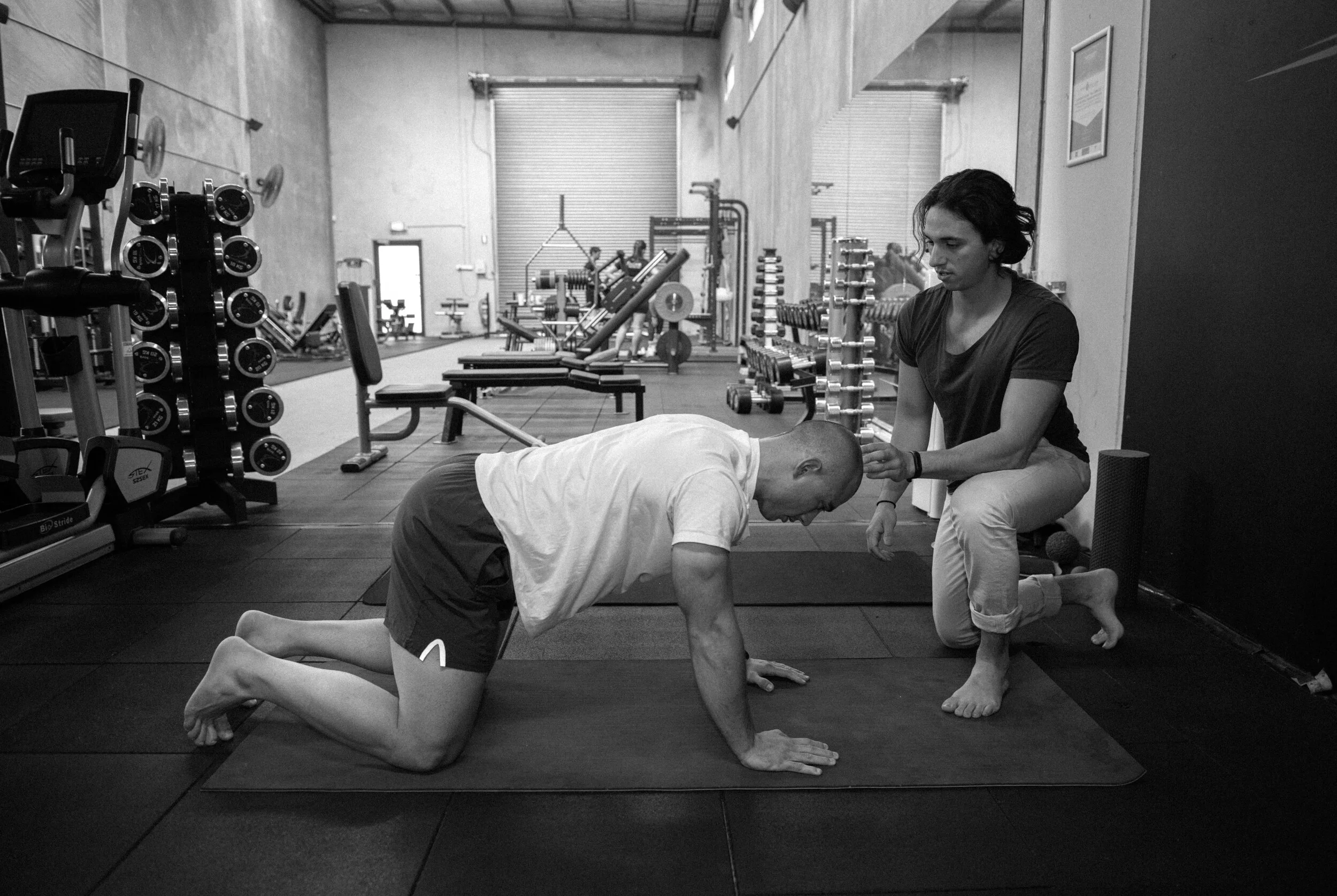
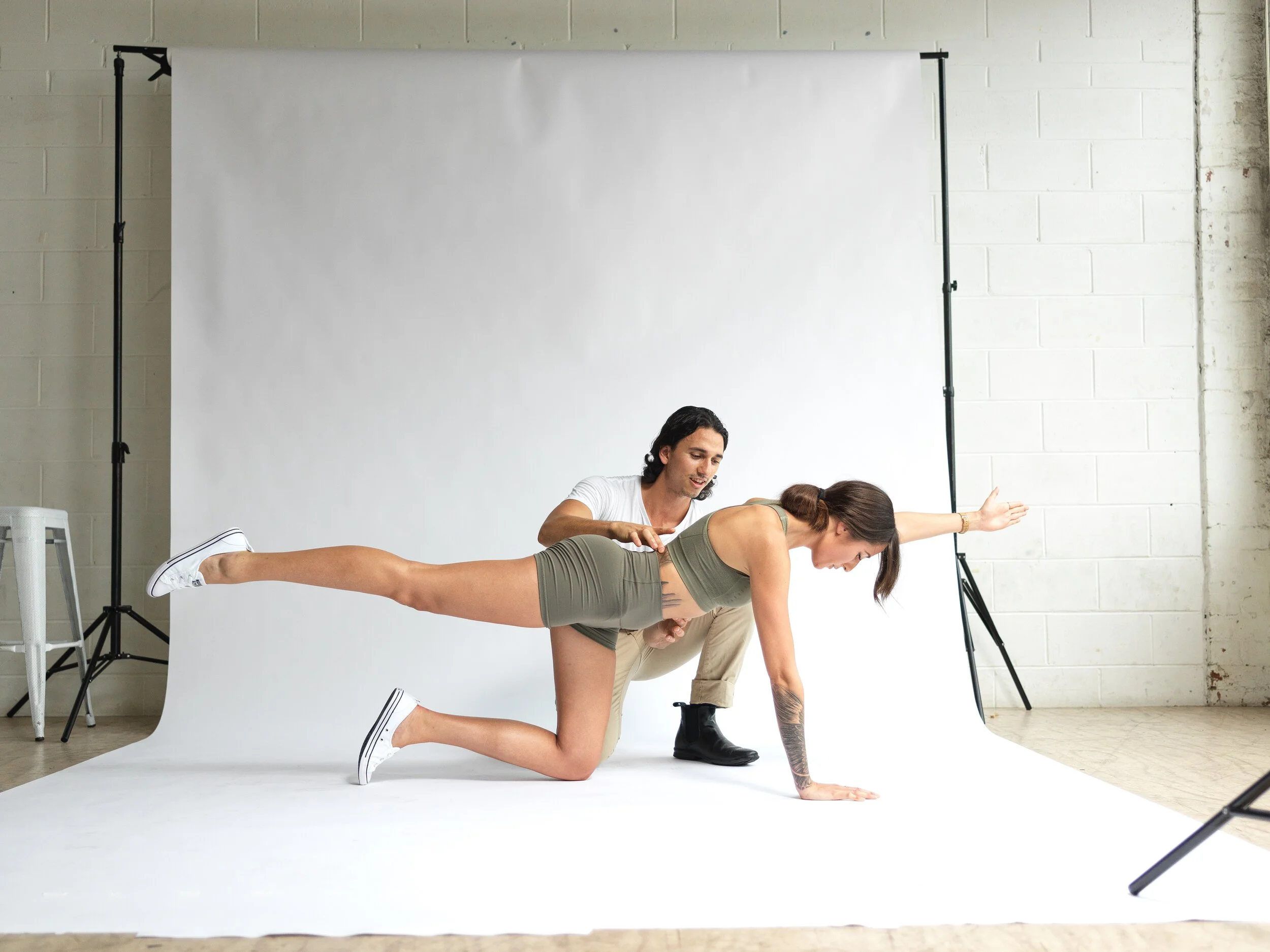
We use Dynamic Neuromuscular Stability (DNS) principles to restore efficient movement patterns, especially when the back is compensating due to motor system inefficiency elsewhere.
DNS-informed exercises are coached precisely to support:
Improved postural control and spinal mechanics
Better coordination between breath, trunk and hips
Reduced protective tension patterns
More efficient lifting, bending, running, and training
Common presentations
-
Longstanding low back pain with or without neurological symptoms.
-
Acute lifting injuries sustained from bending, lifting, twisting whilst under load.
-
Postural overload from sedentary lifestyles and desk-based compression.
-
Low back pain in athletes, performers & strength trainers.
-
Postnatal and pelvic stability-related lower back pain.
-
Lower back pain can appear to be the problem however is often missed for an underlying hip dysfunction. Learn more.
Areas we service
Collingwood, Fitzroy, Abbotsford, Richmond, Clifton Hill, Northcote, Brunswick.