Dynamic Neuromuscular Stability (DNS)
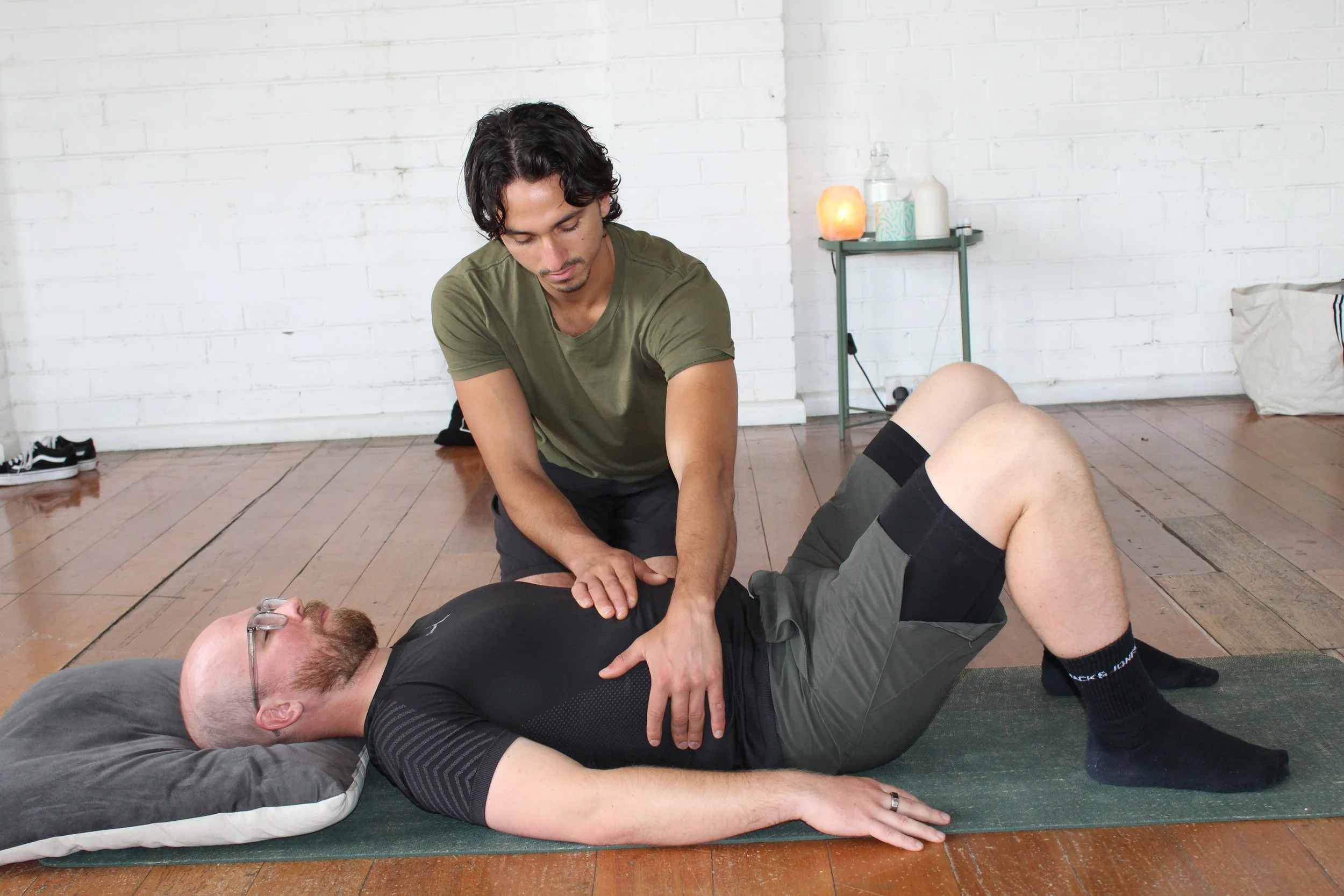
DNS is a rehabilitation system based around restoring the body’s natural movement patterns,
Intelligent Movement
Based on developmental kinesiology, DNS draws inspiration from the way infants instinctively learn to roll, crawl, sit, stand, and walk building strength and alignment without compensation or tension. These early motor patterns form the foundation of efficient, pain-free movement throughout life.
-
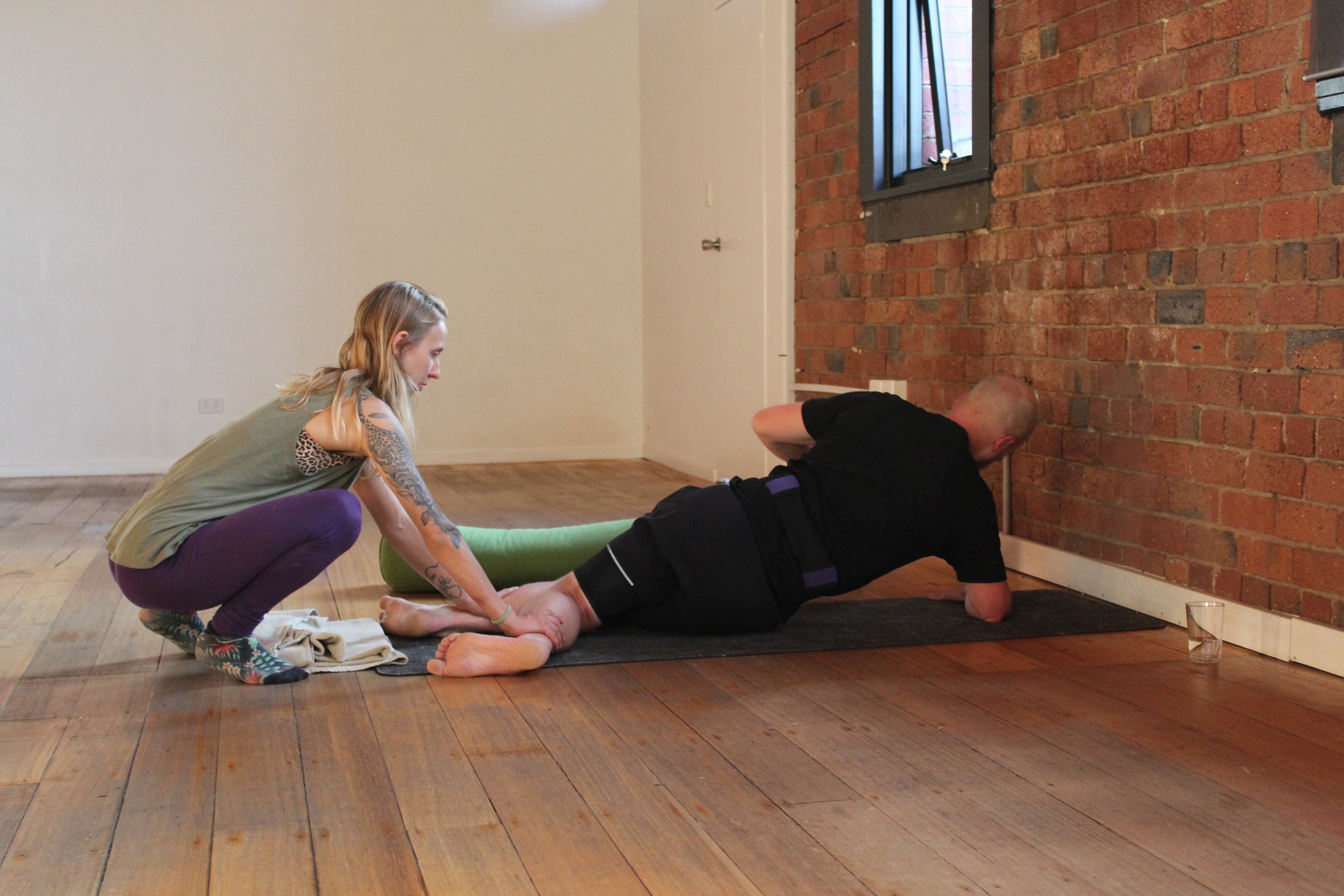
Aligning bones and joints for efficient load transfer, maximal congruency and reduced wear.
-
Integrating diaphragm, accessory respiratory, and pelvic floor function for proper respiration translating to full-body stability
-
Teaching the brain to recruit the right muscles at the right time. Unlearning inefficient movement habits that cause pain or restriction.
Postural Alignment
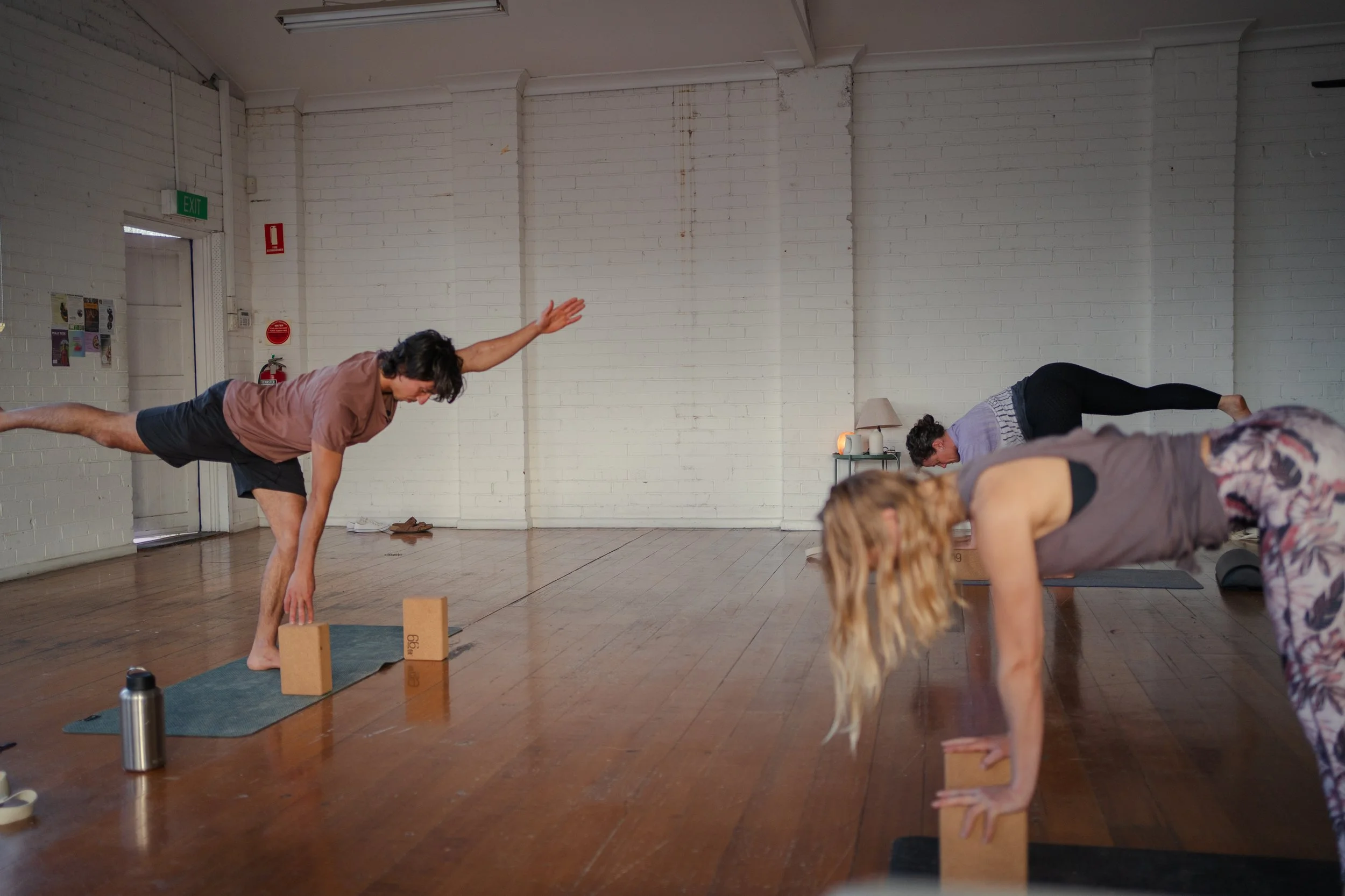
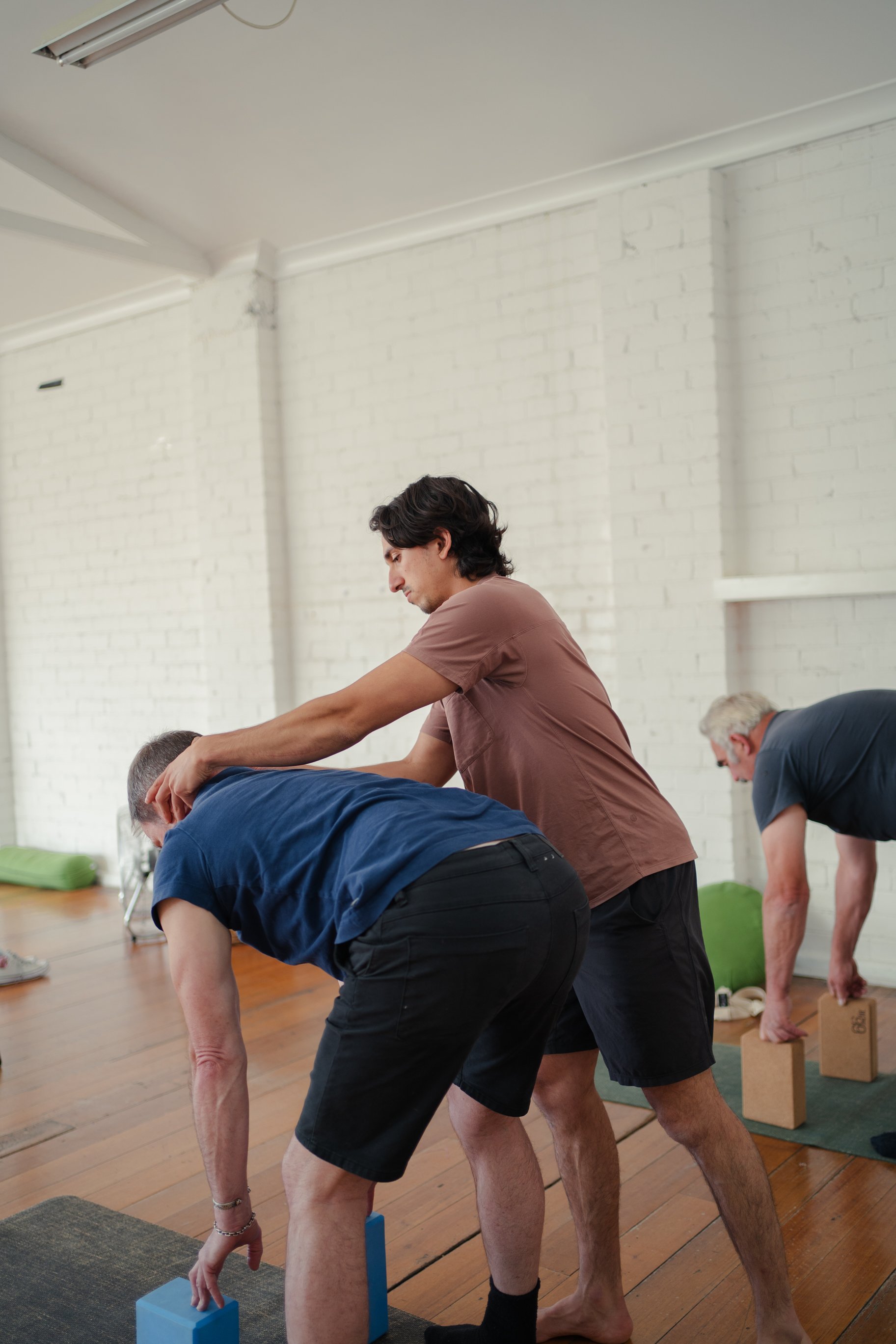
Through guided, intentional positioning, and precise cueing, DNS retrains the nervous system to find optimal joint alignment and muscular co-activation. This process re-establishes intra-abdominal pressure trunk stability, and joint centration the three pillars of functional movement.
Why Is DNS Important?
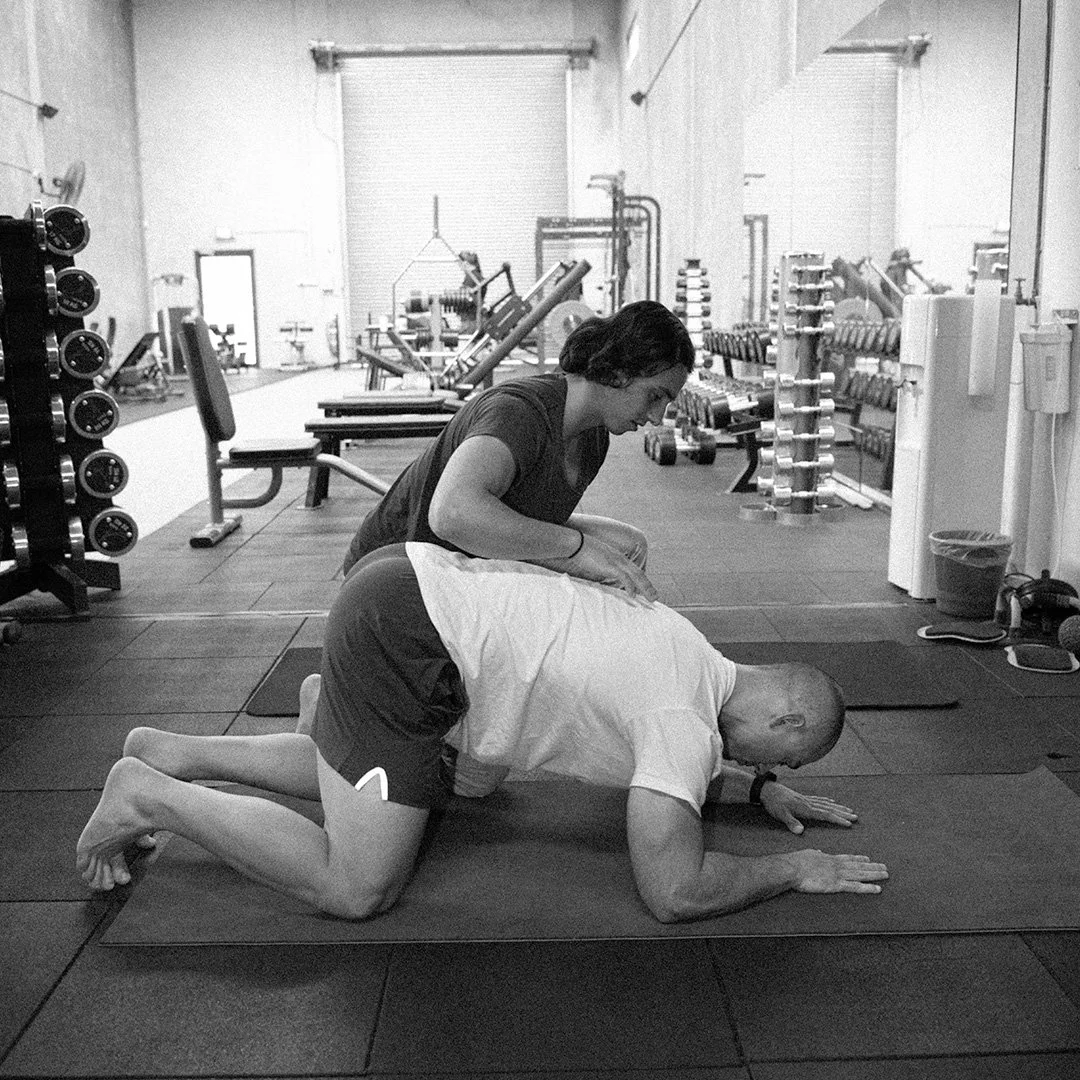
Our nervous system controls every aspect of how we move. When early motor patterns become disrupted often by injury, poor posture, emotional stress, or lack of awareness we lose efficiency and stability in our movement. Over time, this can lead to chronic pain, muscle imbalances, postural dysfunction, breathing difficulties.
DNS works to clear these patterns, by guiding the body back toward its natural, optimal state. When our movement is efficient and integrated, we feel more grounded, powerful, and connected in both body and mind.
Who Is DNS For?
-
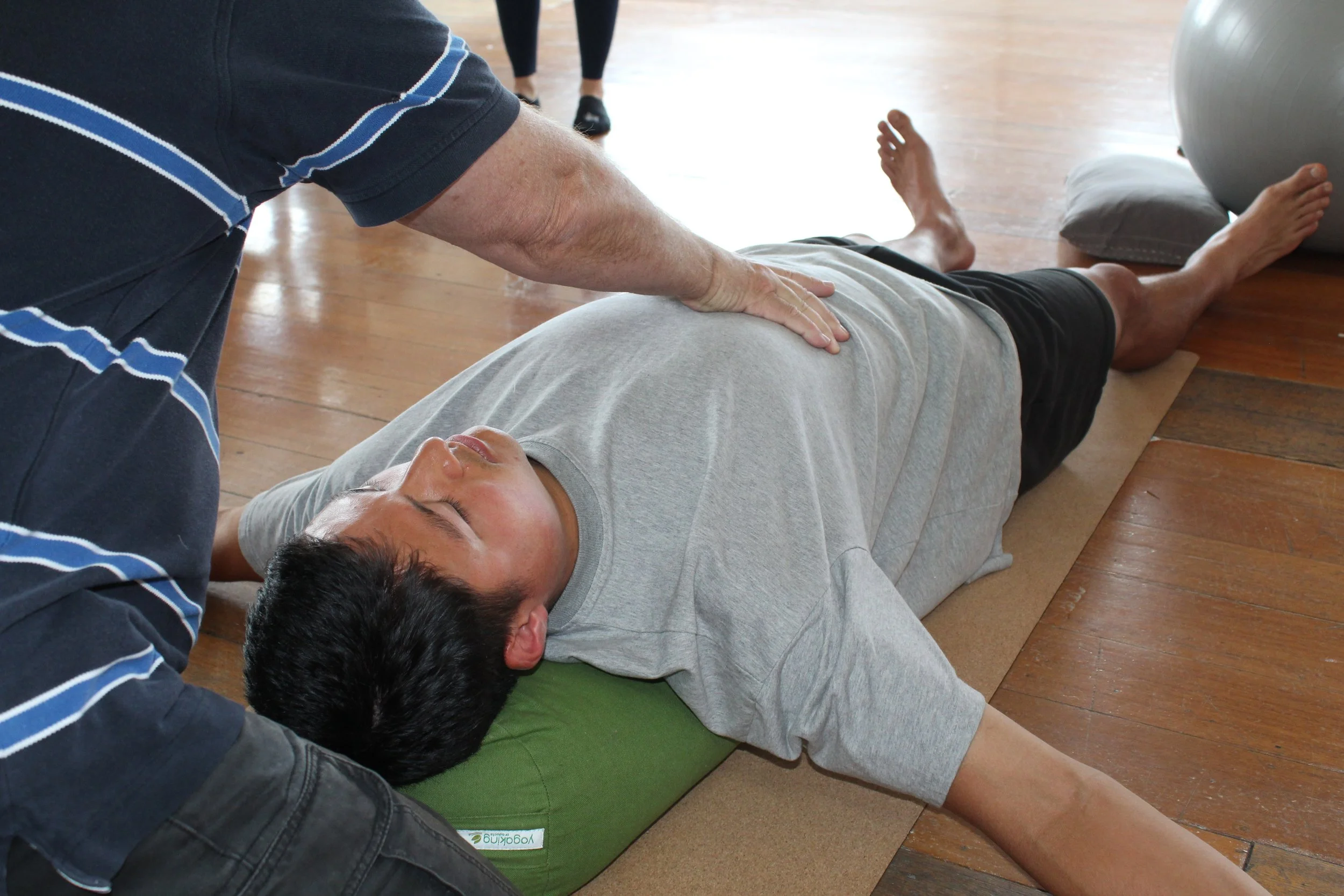
![Movement Therapy session supporting scoliosis through postural alignment, breathing mechanics and movement control.]()
Scoliosis
DNS assists with postural restoration through alignment based movement and manual therapy. Exercises are prescribed to improve spinal mechanics, proprioceptive awareness and control. Read more.
-
![Care for back pain, pelvic girdle pain, abdominal separation, pelvic floor function and safe return to exercise.]()
Pregnancy & Postpartum Care
In pregnancy, DNS can help with pelvic stability and load management as the body changes. Postnatally, it offers a structured, gentle way to rebuild deep core function. Read more.
-
![Movement-based therapy for hypermobility improving joint stability, body control and strength.]()
Hypermobility Spectrum Disorder
Support for people with hypermobility who experience pain, instability, fatigue, poor coordination or recurrent overload.
-
![]()
Breathing Dysfunctions
Assessment and treatment stereotypical and acquired breathing pattern dysfunctions.
-
![Physiotherapy and personal training for falls prevention and balance training]()
Falls & Balance
Physiotherapy and personal training to improve balance, coordination, confidence and stability for those at risk of falls or recovering after accidents or surgery. Learn more.