

Hip Pain Treatment in Collingwood

Hip pain is often misdiagnosed, presenting as a deep ache in the groin, a sharp pinch when you cross your legs, a burning pain on the outside of the hip, or a stiffness that makes movement restricted. It can refer into the lower back or down the thigh, and what feels like a hip problem may be coming from the spine and vice versa.
Getting the correct diagnosis is crucial to a swift recovery. At Lionheart Integrative Therapies in Collingwood, we take the time to work out exactly what's going on before we start treatment because the right approach for hip osteoarthritis looks very different from the right approach for gluteal tendinopathy or a labral tear.
Common Hip Conditions We Treat
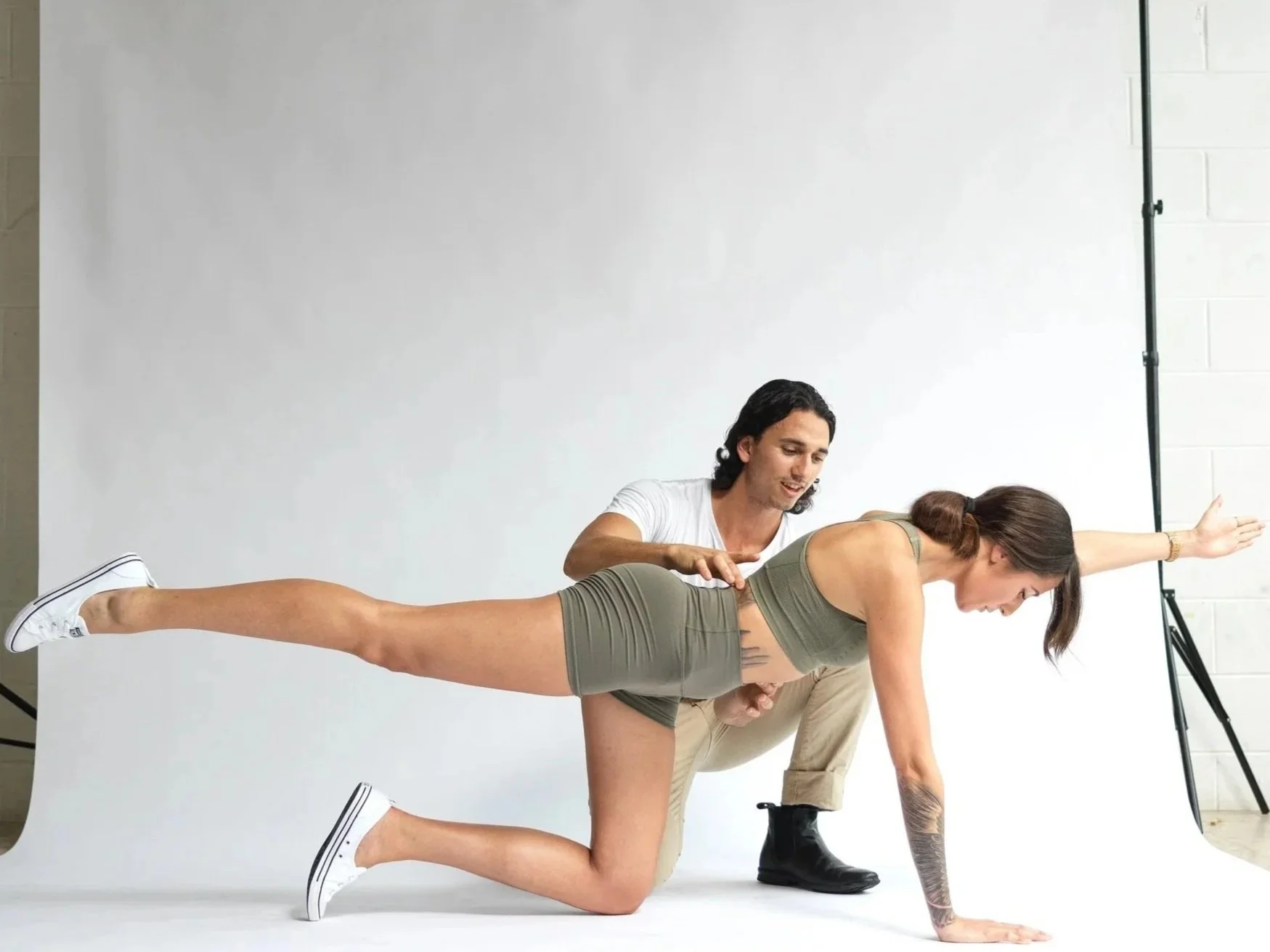
The hip joint is controlled by approximately 21 muscles making an accurate assessment & diagnosis challenging.
-
Gluteal tendinopathy is one of the most underdiagnosed causes of lateral hip pain, particularly in women over 40. It involves irritation of the tendons that attach the gluteal muscles to the outside of the hip bone. The pain sits on or just below the bony point of the hip and is typically worse with sitting cross legged, standing on one leg, climbing stairs, or laying on the affected side. It responds well to a structured progressive exercise program once it's properly identified.
-
Greater trochanteric pain syndrome (GTPS) is a broader term that covers pain on the outer hip, including gluteal tendinopathy and trochanteric bursitis. It's particularly common in runners, walkers, and people who've recently increased their activity levels. The pain can be sharp with specific movements or a persistent ache that makes lying on the hip at night difficult.
-
FAI occurs when the ball and socket of the hip joint make abnormal contact during movement usually because of subtle shape variations in the bone. It produces a catching or pinching sensation deep in the groin, often with hip flexion and rotation, and is common in young active adults and athletes. Physiotherapy can significantly reduce symptoms and in many cases avoid the need for surgery.
-
The labrum is a ring of cartilage around the hip socket that helps stabilise the joint and distribute load. Labral tears can occur from trauma, repetitive movement, or because of FAI. Symptoms include deep groin pain, clicking or catching in the hip, and sometimes a sense of giving way. Physiotherapy is often the first line of treatment, with surgery reserved for cases that don't respond.
-
Hip OA involves wear to the cartilage inside the hip joint, leading to stiffness, aching, and reduced range of motion. It tends to develop gradually and is more common from the mid-40s onwards. Morning stiffness, difficulty with mobility, and an ache that builds with walking or running are typical presentations. Exercise therapy, diet modification and lifestyle changes are the most effective treatments available and often delay or avoid the need for joint replacement.
-
The hip flexors, particularly the iliopsoas, rectus femoris and TFL, are frequently strained in athletes and active people, and can become hypersensitive and tight in people who sit for long periods. A hip flexor myofascial strain causes pain at the front of the hip or groin, particularly with hip flexion against resistance or at the end range of a stride. Chronic hip flexor tightness can also contribute to lower back pain and pelvic dysfunction.
-
The piriformis is a deep hip stabilizer muscle that runs close to the sciatic nerve. When it becomes overloaded or tight, it can cause deep buttock pain and sometimes sciatic-like symptoms down the leg. It's often confused with lumbar disc problems and tends to respond well to specific manual therapy and targeted stretching.
-
OP is an overuse syndrome affecting the adductor muscles on the inner thigh and is particularly common in sports involving rapid changes of direction such as football, soccer, hockey, and basketball. Pain is felt in the pubic and groin region, often with a sharp onset during activity. Recovery depends heavily on addressing the underlying biomechanical imbalances and weaknesses.
-
Hip and lower back pain frequently coexist, and the hip is a common site for referred pain from lumbar nerve irritation or facet joint dysfunction. When hip pain is diffuse, accompanied by back stiffness, or doesn't clearly match a hip structure, a spinal assessment is always part of the picture. Learn more.
When Should You Seek Treatment?
Hip pain worth getting assessed includes:
Groin, outer hip, or buttock pain that's been present for more than two weeks
Pain when walking, running, climbing stairs, or getting up from a chair
Stiffness in the hip first thing in the morning
A deep pinching sensation in the groin with hip flexion or rotation
Pain that makes it hard to sleep on the affected side
A clicking, snapping, or catching feeling in the hip
Hip pain often becomes chronic when left untreated. The body compensates by shifting load to the lower back, opposite hip, knee and foot. Over time those secondary compensations can become a bigger problem.
How We Treat Hip Pain
Physiotherapy
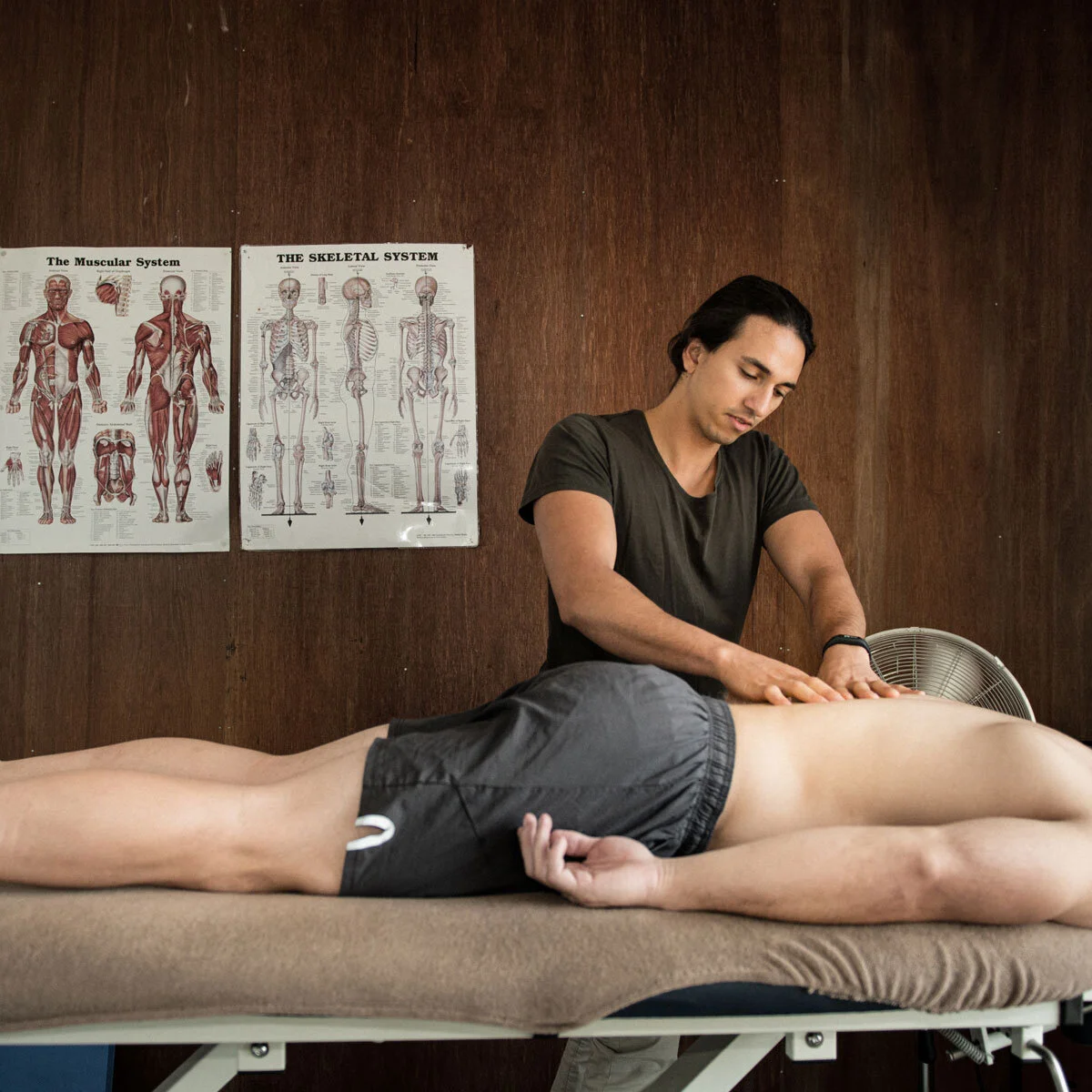
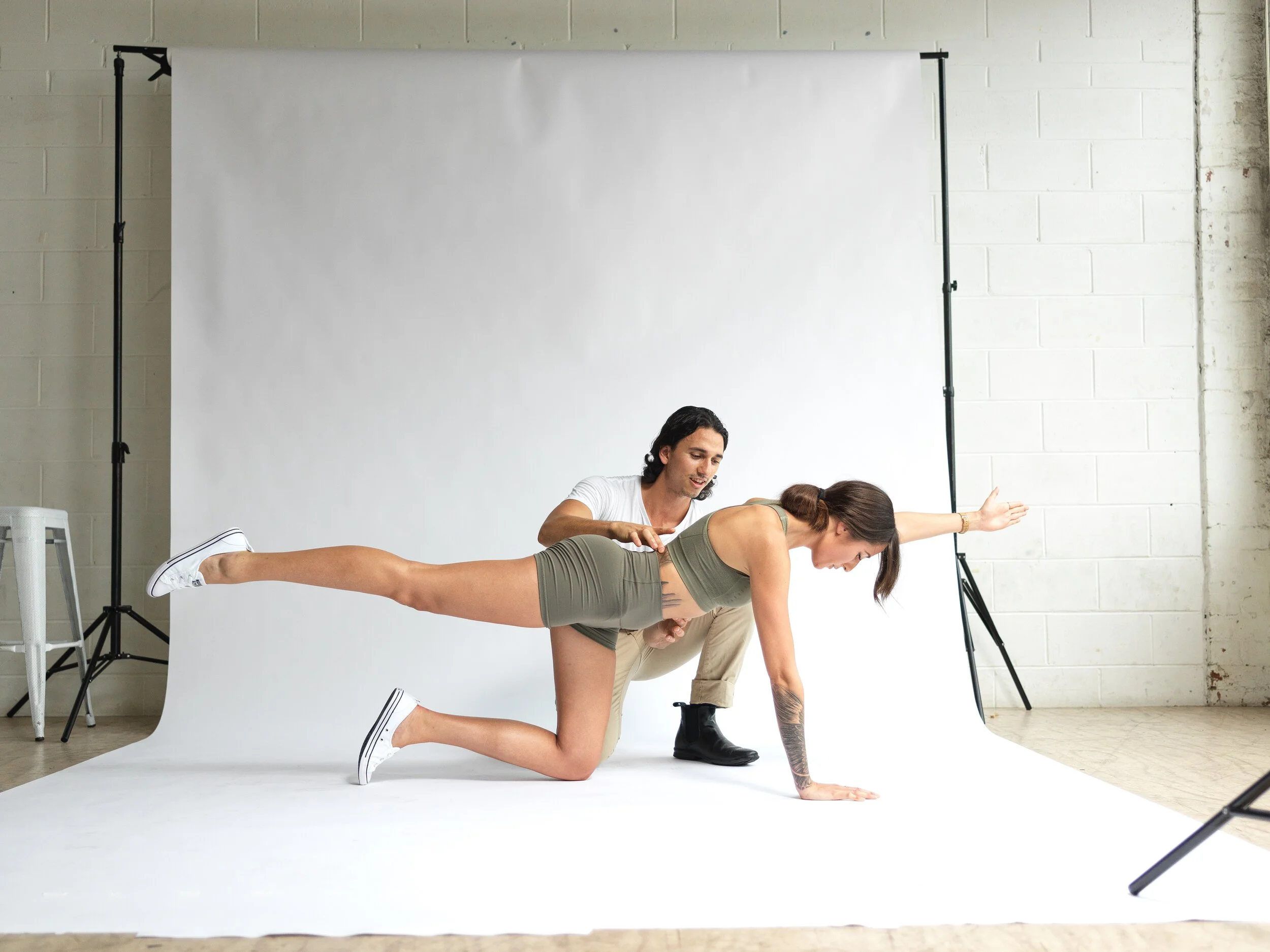
A biomechanical assessment of hip pain looks at hip joint mobility, strength, lumbopelvic stability, and how the hip aligns under load. This holistic approach helps identify the contributing factors which are often systemic rather than purely local.
Treatment is then tailored to your specific diagnosis and goals, and typically includes manual therapy, a structured exercise program, and load management guidance. Learn more about our physiotherapy services.
Remedial Massage
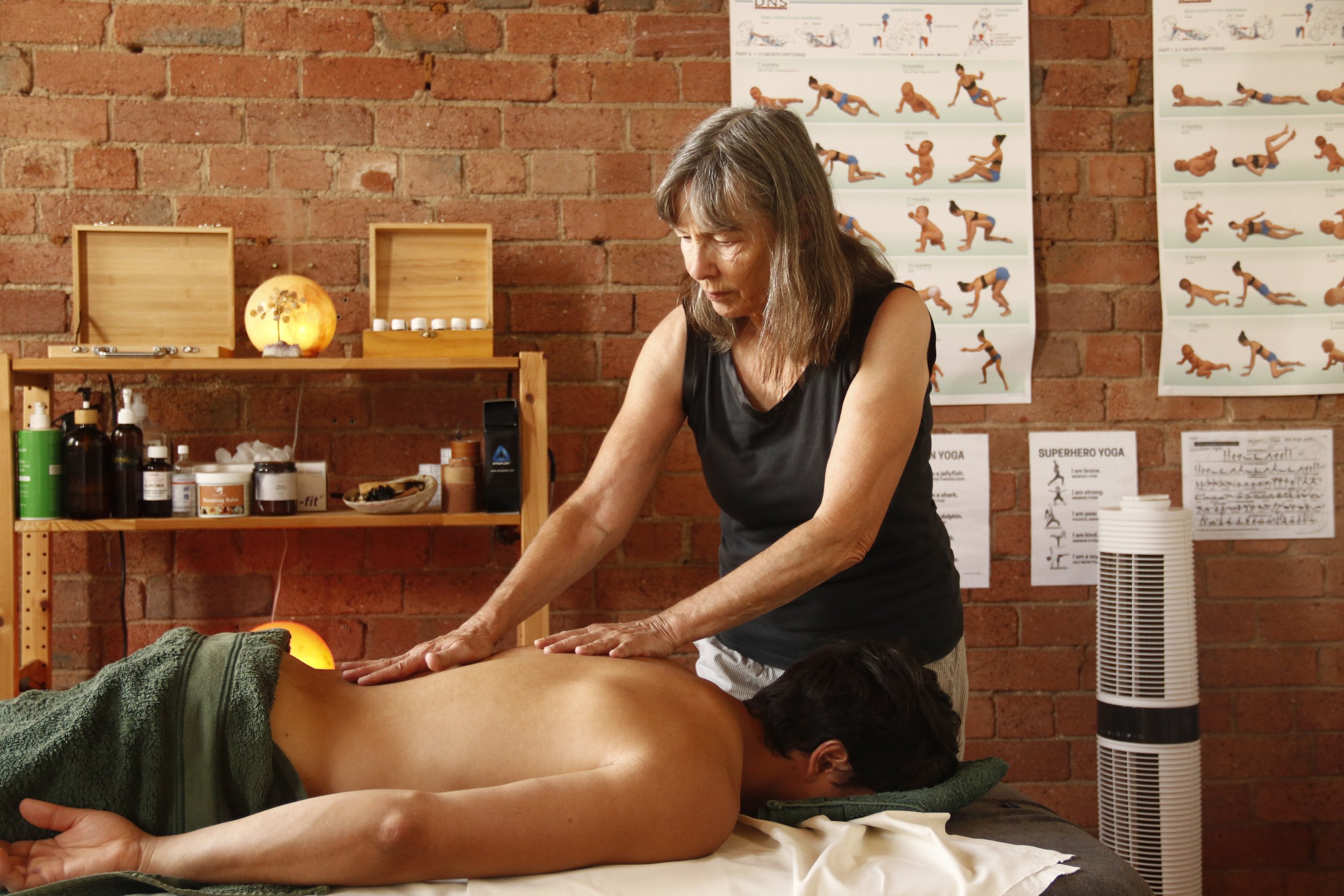
The deep hip rotators, glutes, hip flexors, and TFL are all prone to chronic tension, especially in people who sit for long periods, train hard, or have been compensating around a painful hip for some time. Remedial massage works into these layers to reduce tension and improve tissue quality, which makes active rehabilitation work more effective. Read more about our remedial massage services in Collingwood.
Dynamic Neuromuscular Stabilisation (DNS)
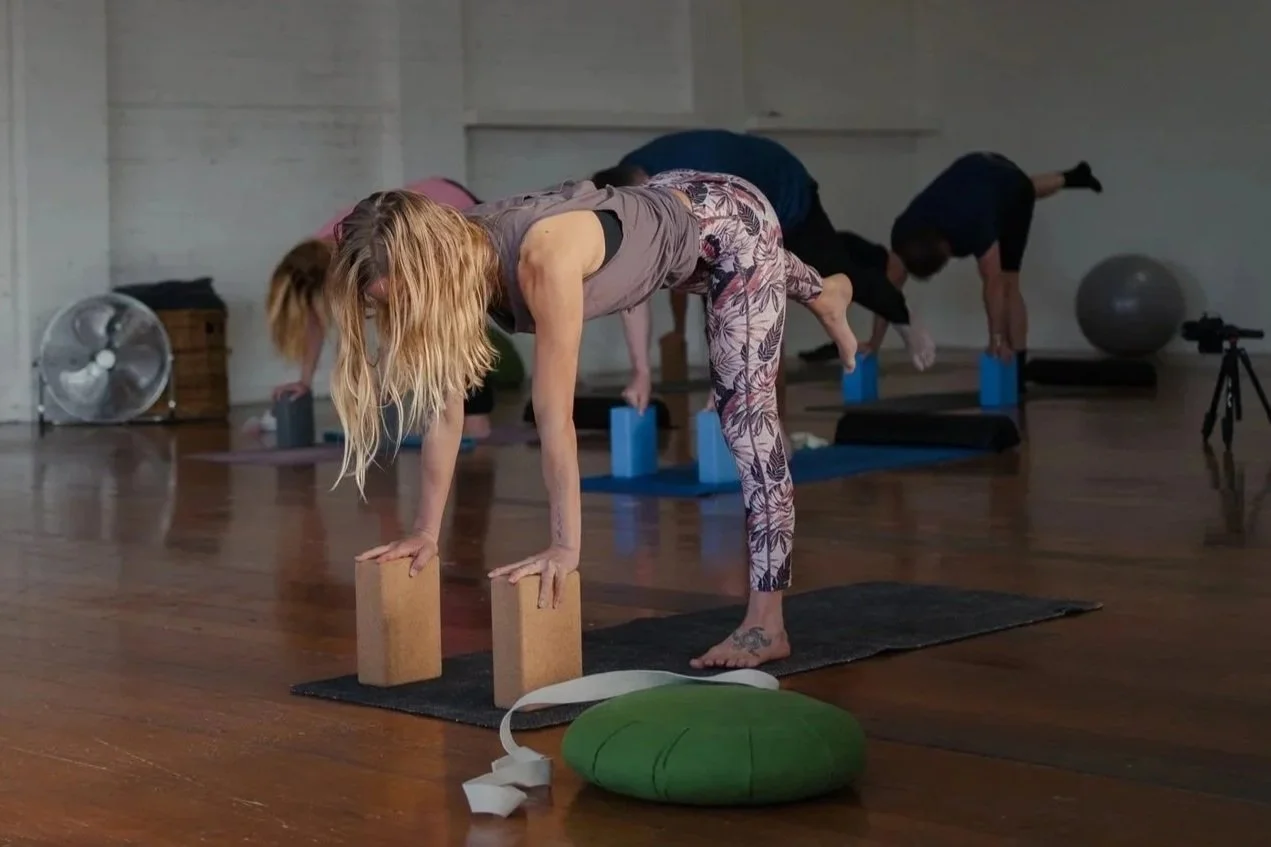
The hip's stability depends heavily on coordinated activation of the deep trunk and hip muscles. DNS addresses this from the ground up, working with developmental movement patterns to retrain how the body organises itself above and below the hip joint. It's particularly useful for people with recurrent hip problems, FAI, labral tears, or hip pain that keeps returning despite conventional treatment. Read more about DNS.
Yoga & Movement Therapy
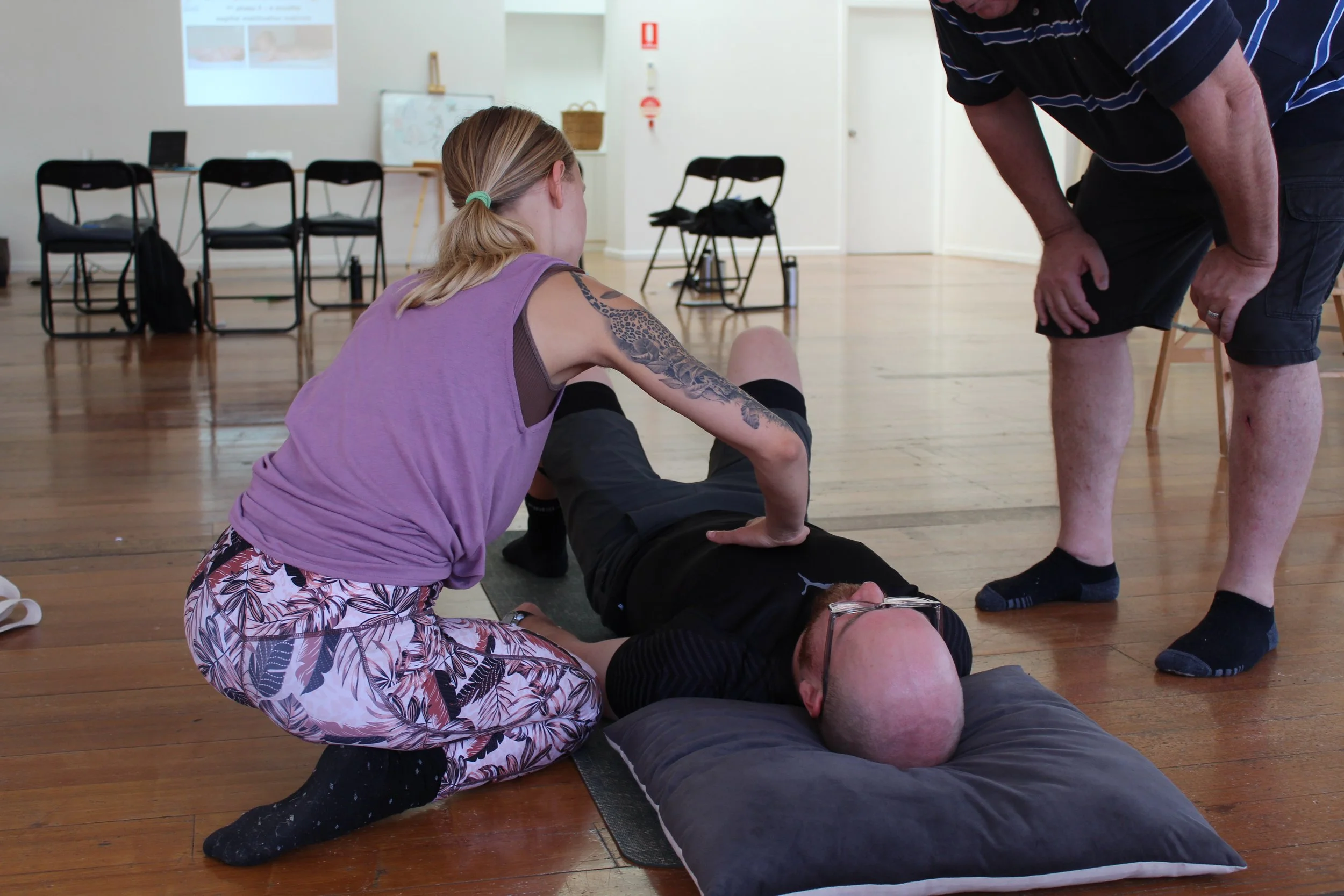
Hip mobility and hip stability are both essential and yoga addresses both well. Our resident Movement Therapist Molly, and Yoga Therapist Divya work with people recovering from hip injuries to build strength through range, improve the quality of movement into end range positions, and develop better body awareness. For people with hip OA or chronic tightness, a regular yoga practice can produce meaningful improvements in function.
What to Expect at Your First Appointment
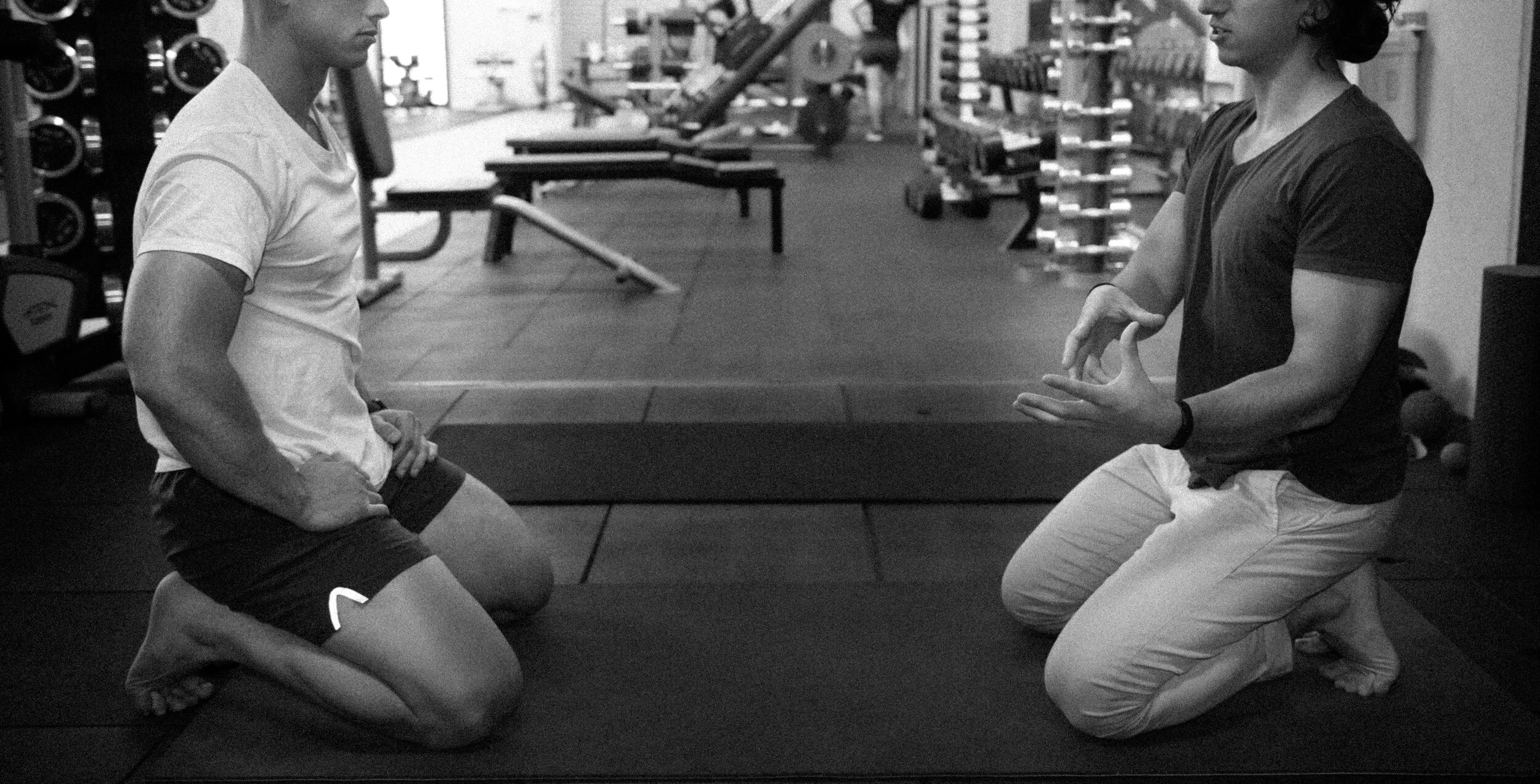
The physiotherapist will take a detailed history, ask about your movement and activity patterns, and put the hip through a range of clinical tests to narrow down the diagnosis. Often this includes assessing the lower back, pelvis and foot, since these regions are closely related.
In most cases you'll come away with a clear explanation of what's causing the pain, a realistic expectation of how long recovery should take, and hands-on manual therapy and movement therapy in the first session.
Hip conditions vary in recovery time frames. A muscle strain may settle in a few weeks. Gluteal tendinopathy typically takes two to three months of consistent work. Hip OA is a longer-term management challenge but with the right approach, most people make substantial improvements to their pain and function.
Frequently Asked Questions
-
This is what a physiotherapy assessment will help determine. Deep groin pain with hip rotation is usually joint related. Outer hip pain is more often tendon or bursa. Buttock pain can be gluteal, piriformis, or referred to or from the spine. There's overlap, and a clear diagnosis determines how you treat it.
-
Many people with hip OA including those with moderate to severe changes on imaging, respond well to physiotherapy, diet & lifestyle changes and avoid or significantly delay surgery. The degree of change on a scan doesn't reliably predict how much pain or functional limitation you'll have. Treatment focused on strength, load management, and movement quality can produce significant improvements regardless of what the X-ray shows.
-
Very. Greater trochanteric pain syndrome, hip flexor tendinopathy, FAI, and stress reactions around the femoral neck are all common running-related hip complaints. Most come down to a combination of training load, hip stability, and running mechanics all things physiotherapy, movement and manual therapy address directly.
-
The best approach is to make modifications to your training. Complete rest rarely speeds up recovery for most hip conditions and often leads to deconditioning that makes recovery harder. Your therapist will help you identify what to continue, what to back off, and how to modify training, so you're not aggravating things while you recover.
-
Not for an initial assessment. The physio can form a working diagnosis clinically, and many hip conditions don't require imaging. If a scan is needed to confirm a diagnosis or rule something out, you'll be referred to the appropriate place.
-
No referral is needed. You can book directly online or by calling us on +61 468 496 596.
-
Provide your claim number and approval for physiotherapy treatment prior to the time of your first booking and we'll make sure we have everything in place for your first visit.
Get to the bottom of your hip pain

Hip pain that's left untreated can lead to compensations and complications elsewhere. Our Collingwood therapy team can help you work out what's going on and build a plan that addresses the root causes and gets you moving freely again.
Our Collingwood team is here to help you understand what's going on, get on top of the pain, and move freely again. Book your hip assessment today.
188–190 Johnston Street, Collingwood, Melbourne
+61 468 496 596
info@lionheart.earth