Scoliosis Management Collingwood

Scoliosis is a sideways curve of the spine sometimes S-shaped, sometimes C-shaped that can develop during adolescence, emerge in adulthood, or be present from birth.
For many people it causes no significant problems. For others, it produces persistent back pain, muscle fatigue, visible postural changes, and a gradual wearing effect on the surrounding joints and tissues.
Physiotherapy won't straighten a structural scoliotic curve. What it can do and does very well is reduce pain, build the neuromuscular support the spine needs, improve movement quality, and slow the progression of symptoms over time. At Lionheart in Collingwood, we work with people across all ages and all stages of scoliosis, helping them build a body that functions well around the curve rather than against it.
Types of Scoliosis We Work With
-
AIS is the most common form, typically diagnosed between ages 10 and 18. "Idiopathic" means there's no single identifiable cause, though it tends to run in families. It's more common in girls and often picked up during routine school screening or when a parent notices uneven shoulders or a prominent shoulder blade. Most cases are mild and manageable with monitoring and physiotherapy. Larger curves may require bracing or surgical consultation, and physiotherapy plays an important role in both pathways.
-
Degenerative scoliosis develops in adulthood, usually from the 40s onwards, as the discs and joints of the lower spine wear unevenly. It's common, often under-recognised, and frequently the explanation for back pain that doesn't seem to fit a more straightforward diagnosis. Symptoms can include lower back pain, stiffness, leg pain, and fatigue with standing or walking. Physiotherapy is the primary management tool for most people with degenerative scoliosis.
-
Functional scoliosis is an apparent curve caused by something outside the spine itself — a leg length difference, muscle imbalance, or pelvic asymmetry. Unlike structural scoliosis, the curve typically corrects when the underlying cause is addressed. Identifying and treating the root cause is the focus of management.
-
Congenital scoliosis results from abnormal vertebral development before birth. It's less common and varies significantly in severity. For people living with congenital scoliosis, physiotherapy is focused on maintaining function, managing load, and building resilience in the surrounding musculature.
When Should You Seek Treatment?
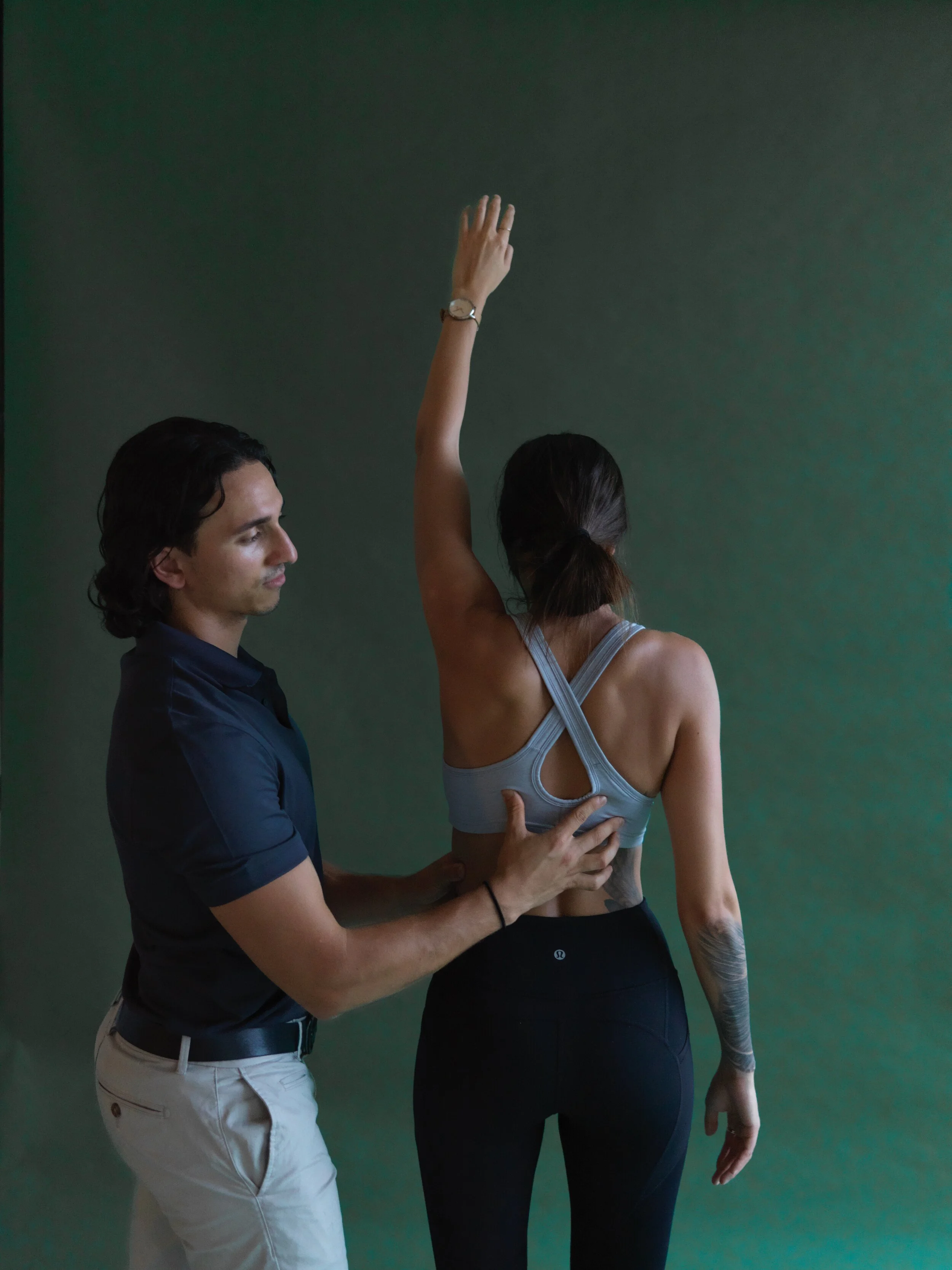
Scoliosis is sometimes visible and sometimes not. Signs worth getting assessed include:
Uneven shoulder height or a shoulder blade that sits more prominently than the other
One hip that appears higher or more rotated than the other
A visible lean to one side when standing
Back pain, particularly in the thoracic or lumbar spine, that's worse with prolonged standing or activity
Muscle fatigue or tightness on one side of the spine
Leg pain or changes in sensation (in some adult scoliosis presentations)
Most people haven't been given specific guidance on exercise execution, postural loading, or which activities to favour or avoid and that information makes a real difference over the long term.
How We Treat Scoliosis

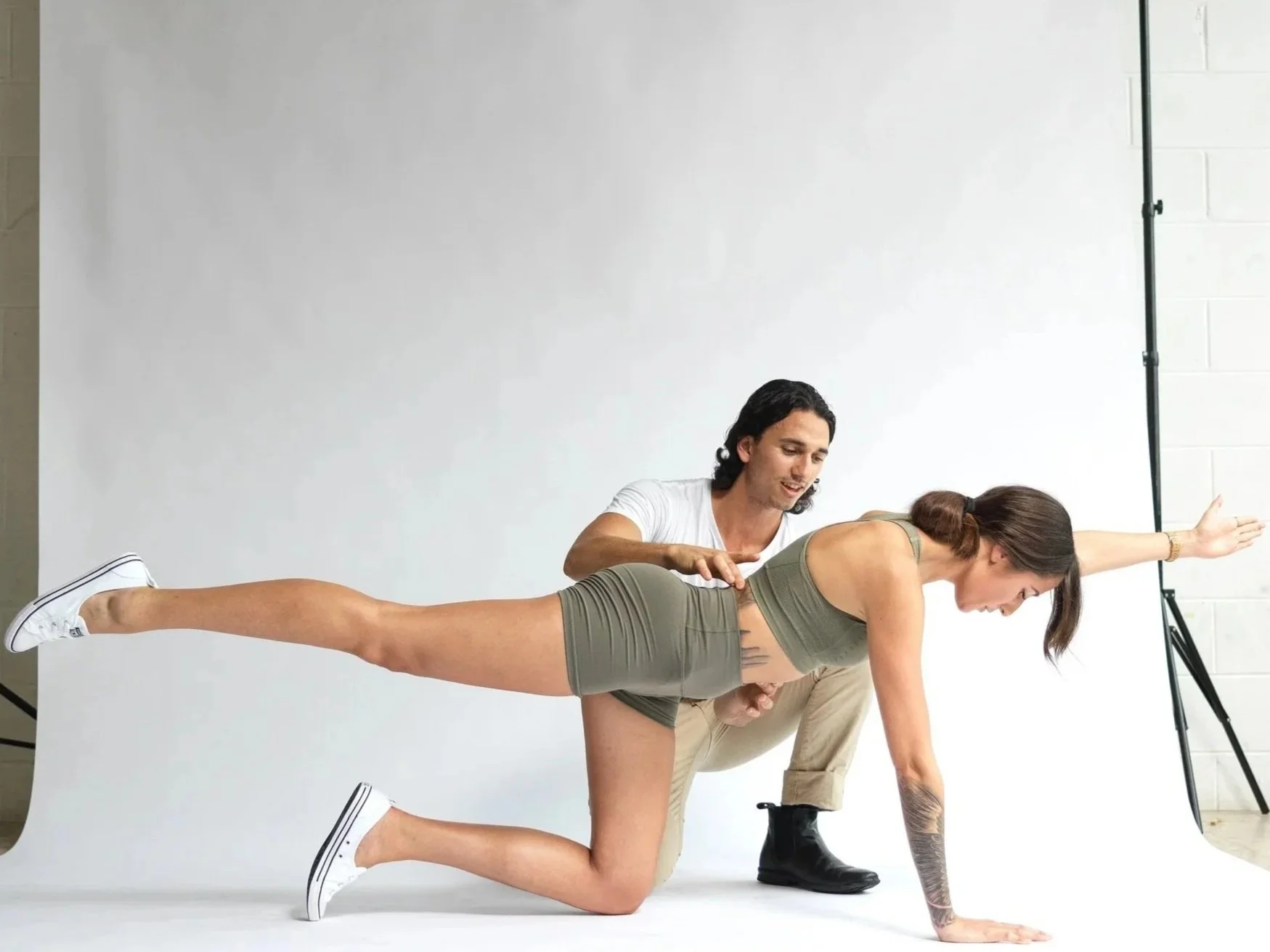
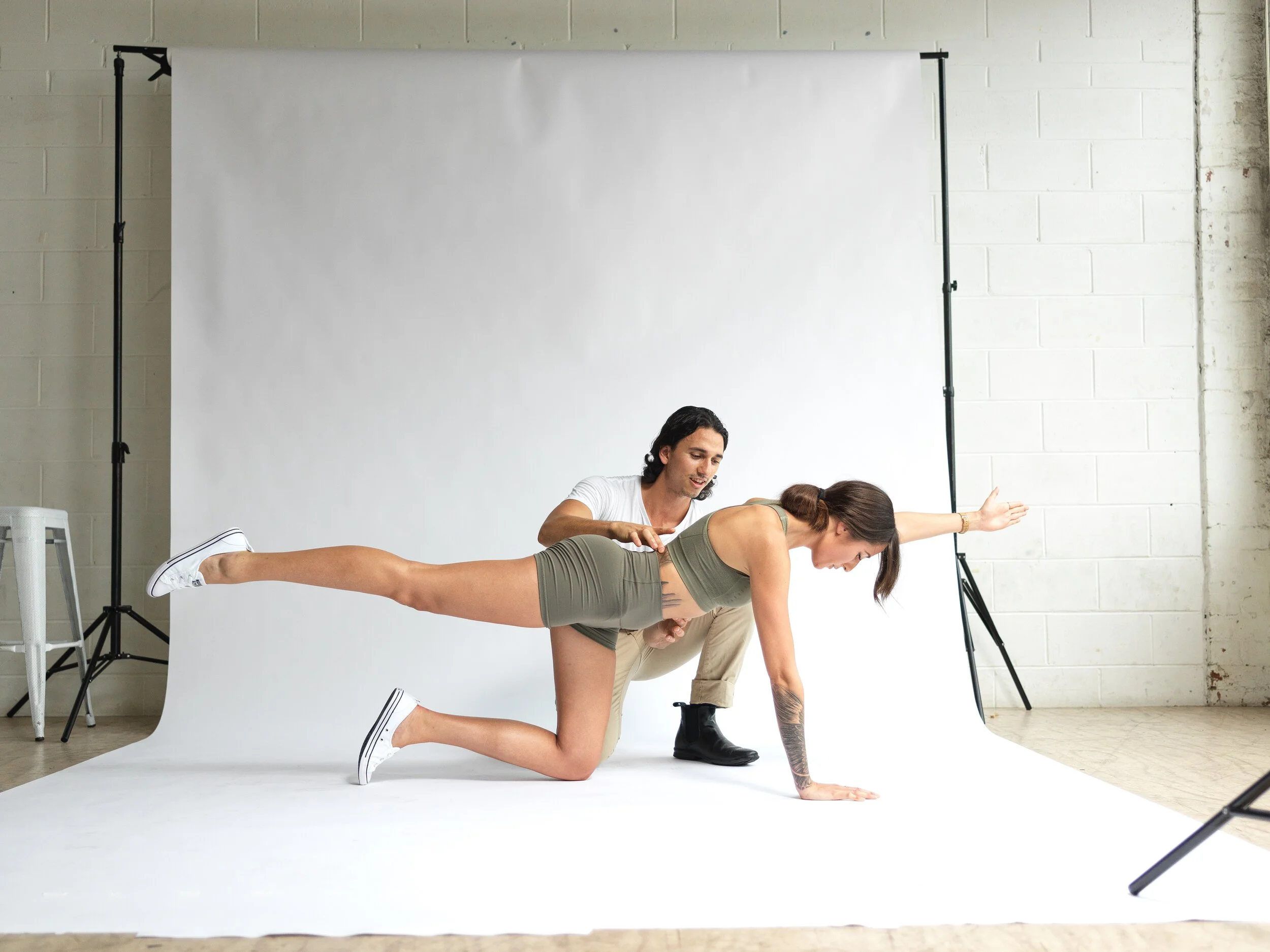
Jesse's assessment of scoliosis covers spinal mobility, postural alignment, muscle activation patterns, and how the curve is affecting movement, symmetry and load-bearing. For adolescents, the focus is often on building muscular support and monitoring progression. For adults, it tends to be more about pain management, load optimisation, and maintaining function. Treatment is individualised and may include manual therapy, targeted exercise, dry needling, and specific guidance on how to move, lift, and position your body to reduce strain on the spine.
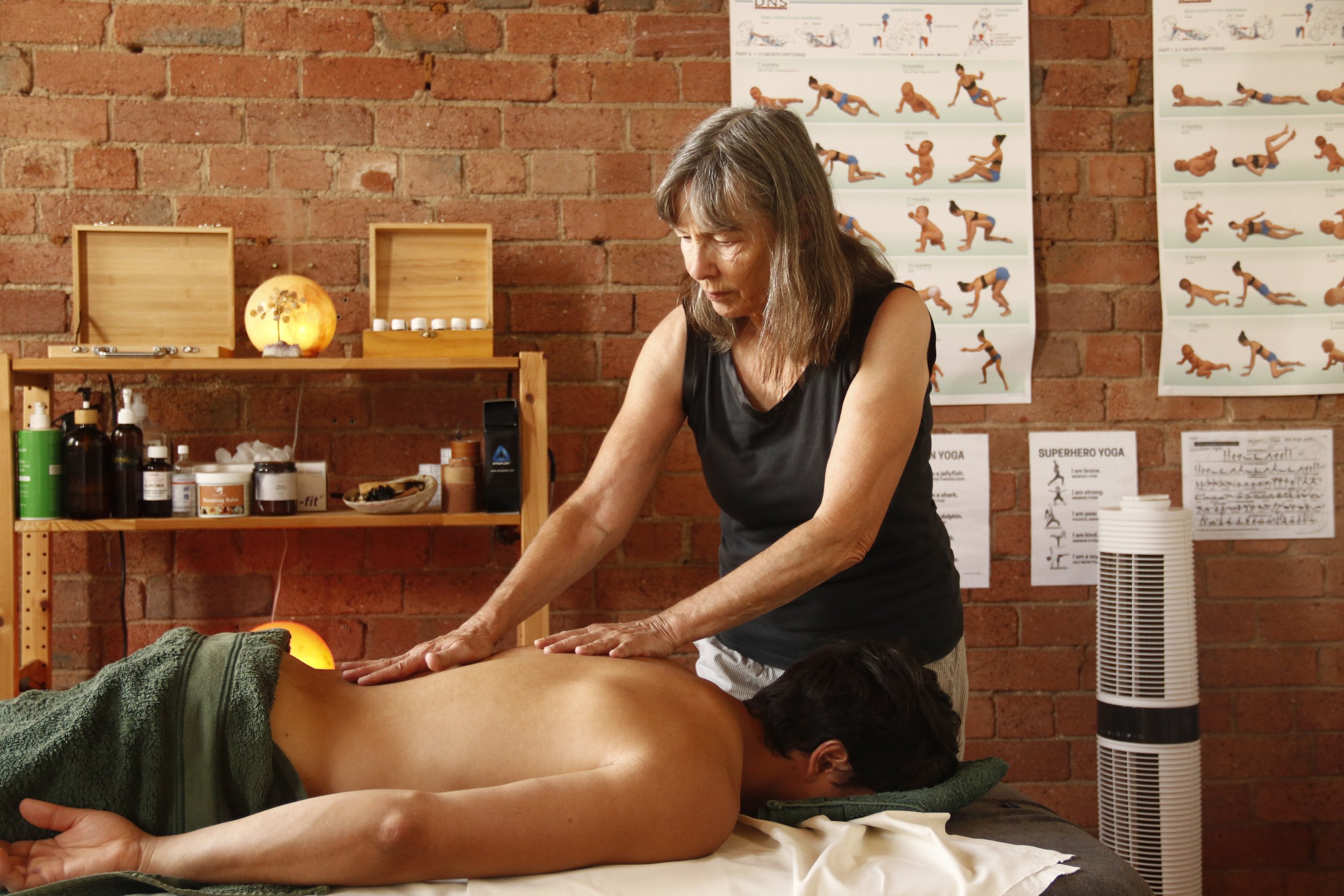
Scoliosis creates predictable patterns of muscular imbalance some muscles are in chronic overload while the muscles on the opposite side are underworked. This produces tightness, tenderness, and fatigue that can be a significant source of day-to-day discomfort. Remedial massage works on these patterns directly, releasing the chronically loaded tissues and improving circulation, which can provide meaningful relief and make the exercise-based work more effective. Read more about our Massage therapist Uschi.
DNS is particularly well-suited to scoliosis management. It works with the body's developmental movement patterns to activate the deep stabilising muscles of the trunk in a way that creates better support for the spine. Rather than targeting the curve itself, DNS addresses how the nervous system organises movement around it improving postural control, reducing compensatory tension, and building a more even baseline for the spine to work from.
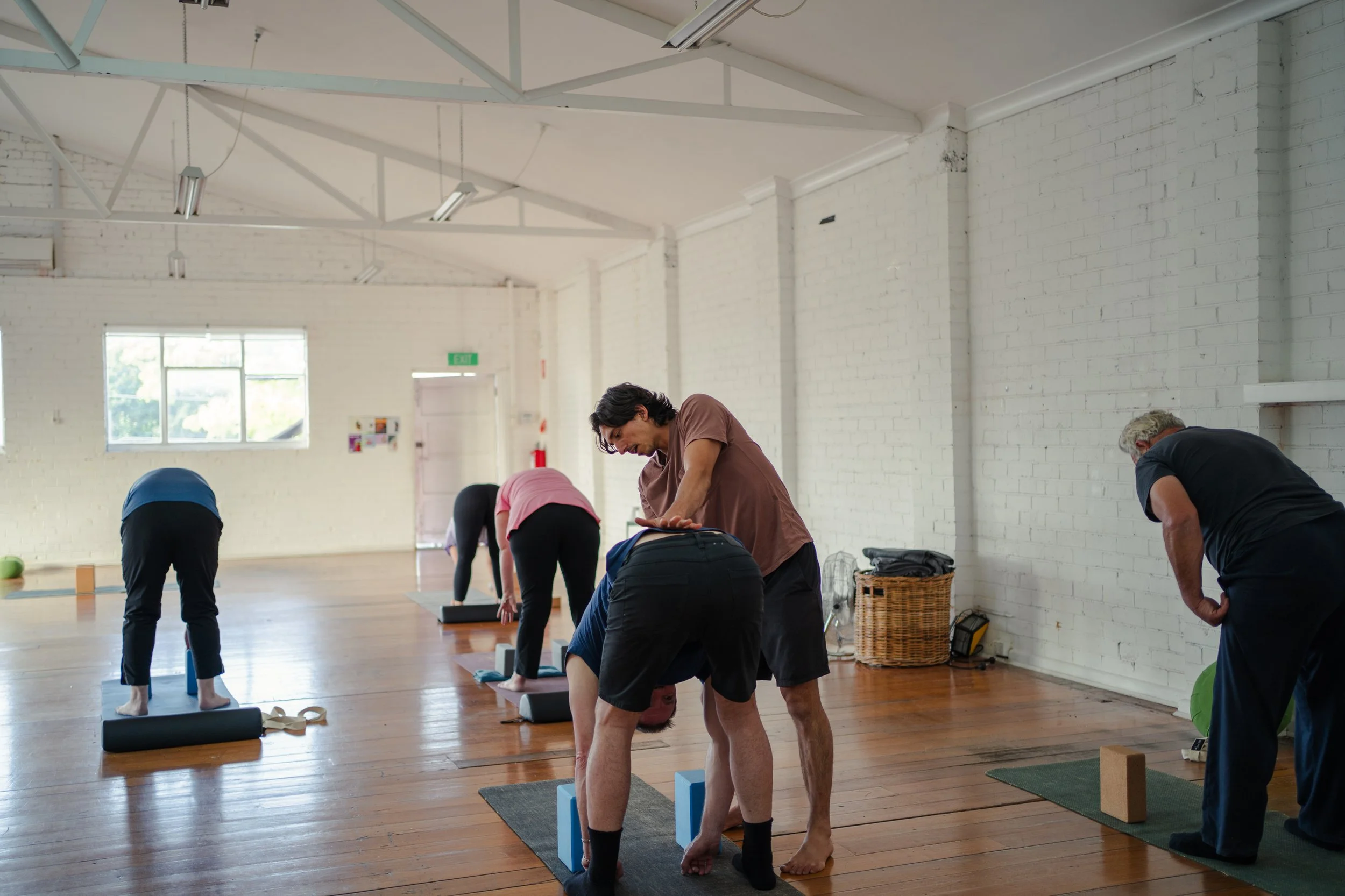
Movement therapy gives people with scoliosis a more personalised space to build strength, coordination, balance and body awareness around their specific curve. Once the spine has been assessed and the main patterns of compensation are understood, movement therapy can be used to retrain posture, improve how the body organises itself under load, and develop more sustainable movement habits that support long-term function.
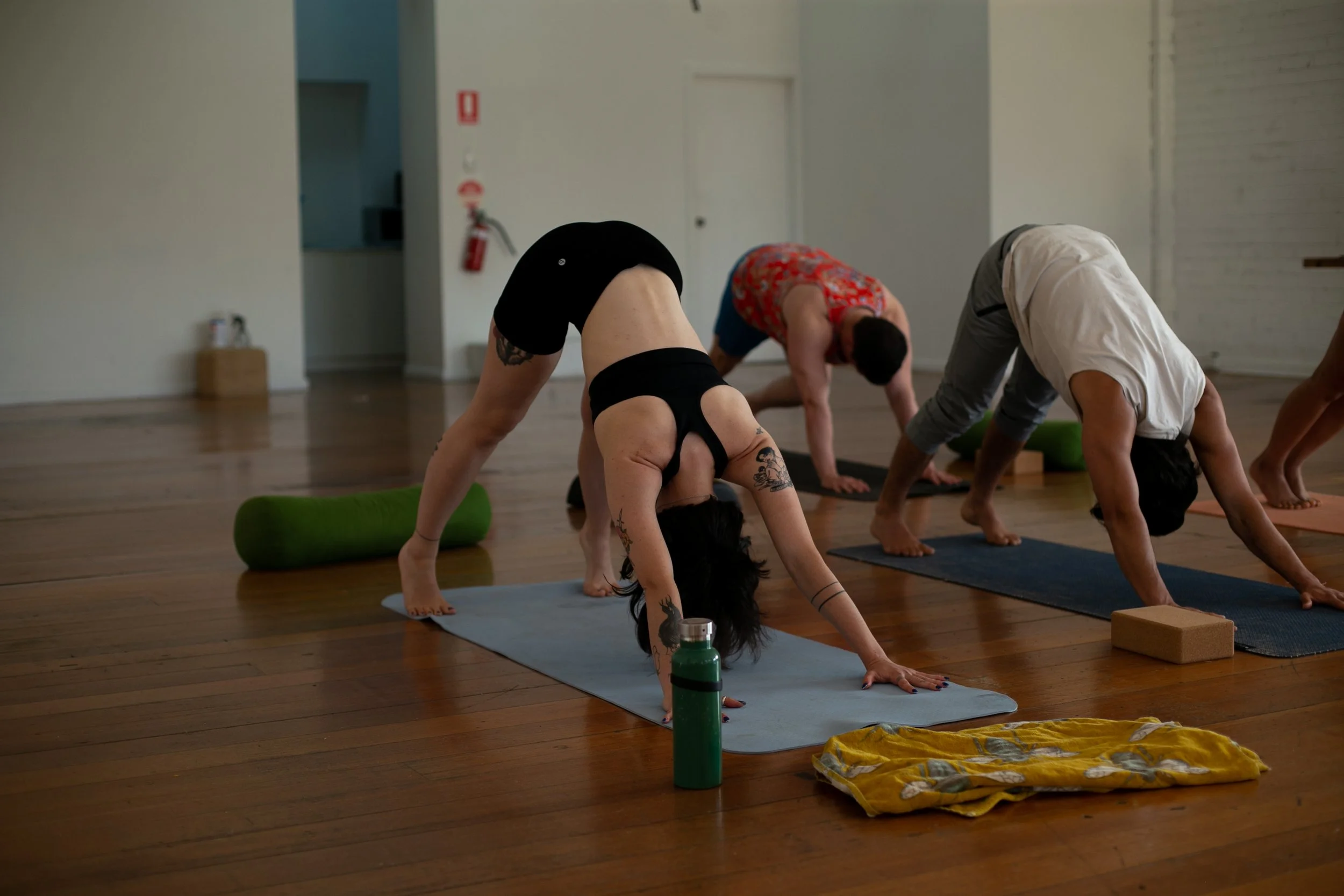
Regular movement is one of the most important things a person with scoliosis can do. Yoga offers a low-impact way to build mobility, strength, and body awareness that's highly relevant to scoliosis management. Molly works with people with scoliosis to explore postures and movement patterns that work with their specific curve, building strength through range and developing a sustainable practice that supports the spine over the long term. For some people this becomes one of the most valuable ongoing tools they have.
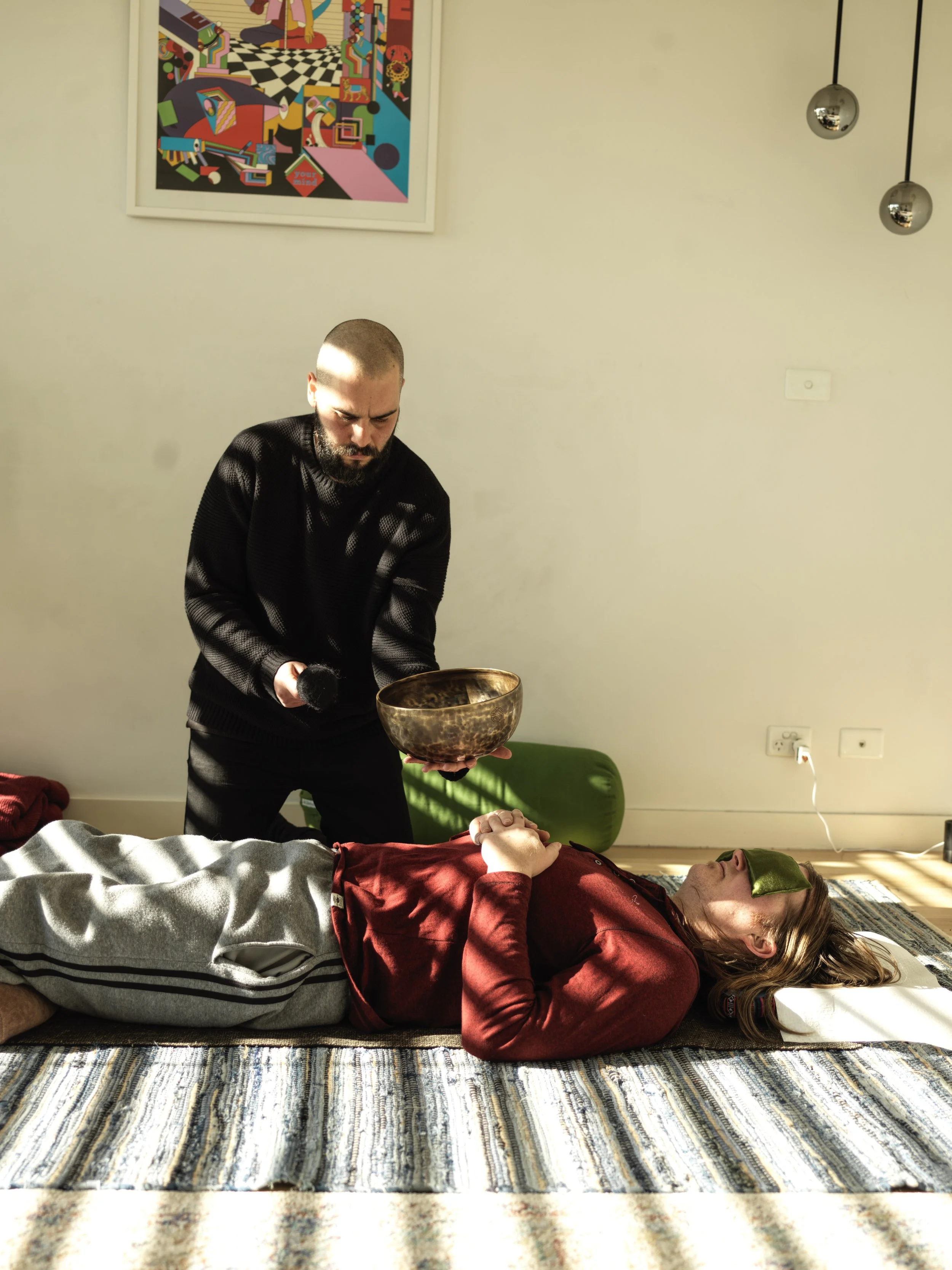
For some people, scoliosis is not only a structural and muscular issue but also a source of chronic tension, stress and nervous system overload. Reiki offers a gentle complementary approach that can help settle the system, reduce internal holding patterns, and support a greater sense of calm and ease in the body alongside the more physical aspects of treatment.
What to Expect at Your First Appointment
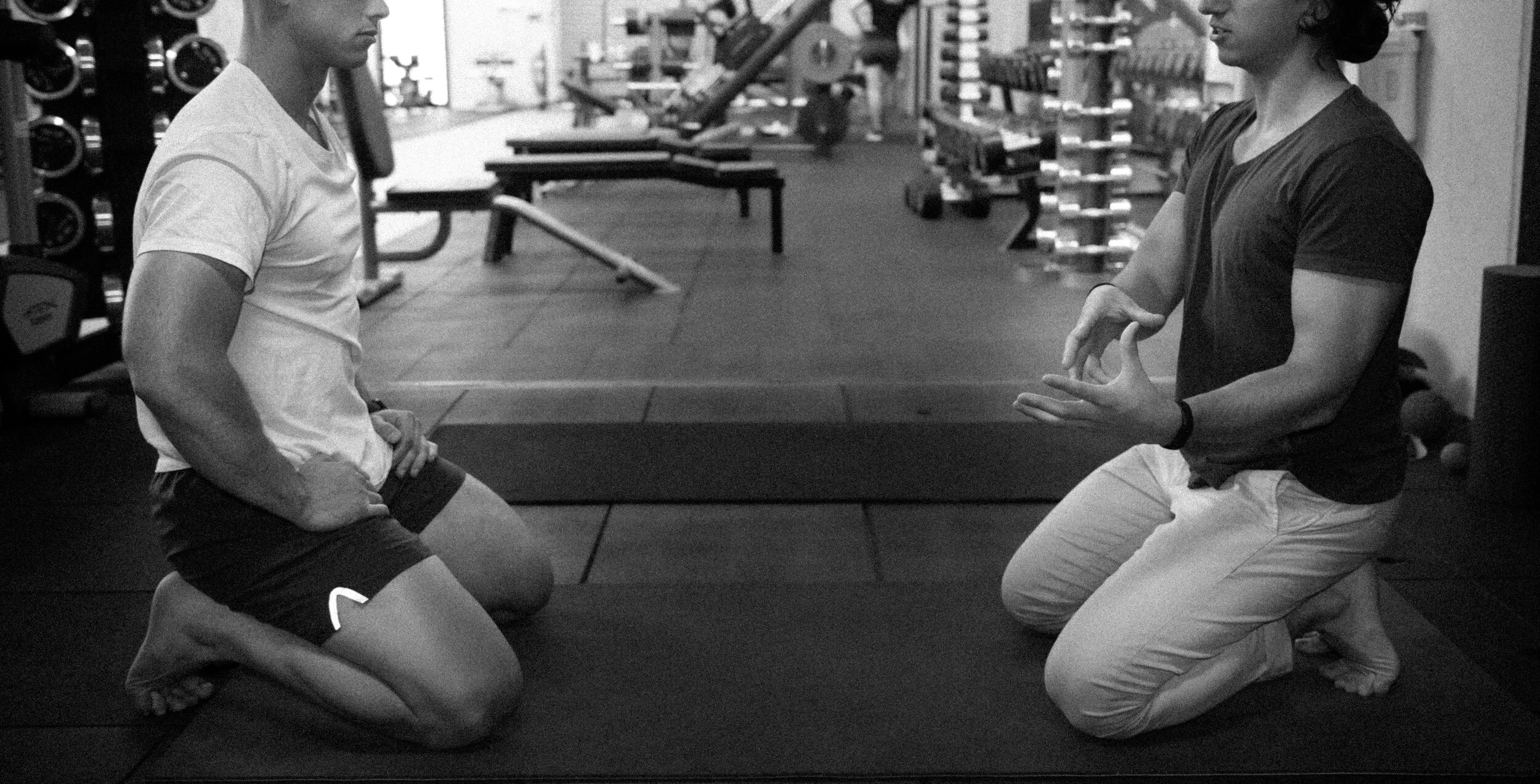
The first session begins with a conversation about your history when scoliosis was diagnosed, what treatments you've had, what your current symptoms are, and what you want to be able to do. Jesse will then conduct a physical assessment, looking at the spine, posture, movement, and muscle function.
You'll leave with a clear explanation of what's going on clinically, what the realistic goals of management are, and a starting plan. For scoliosis specifically, it's important to set honest expectations: physiotherapy is a long-term management tool, not a short-term fix. The people who do best with it are those who commit to a consistent program and understand that regular exercise is the treatment, not just the homework.
Frequently Asked Questions
-
Physiotherapy cannot straighten a structural scoliotic curve. What it can do is reduce pain, build the muscular support the spine needs, improve posture and movement quality, and slow the rate at which symptoms progress. For functional scoliosis, addressing the underlying cause can allow the apparent curve to reduce significantly.
-
Not necessarily. Many people with mild scoliosis have no symptoms and need no active treatment just periodic monitoring. But if you have any pain, notice changes in your posture, or simply want guidance on what exercises to do and what to avoid, a physiotherapy assessment is useful regardless of curve size.
-
Yes. Regular exercise is one of the most important things you can do for scoliosis management. The goal is to find the right types and amounts of exercise for your specific curve and symptoms not to avoid activity. Supervision, feedback and correct cues are essential for individuals with scoliosis to ensure that exercise execution is fixing not making the issues worse.
-
Adolescent scoliosis that stabilises before skeletal maturity often remains stable into adulthood. Degenerative scoliosis in adults can progress slowly over time. In both cases, building muscular support and managing load well are the main tools for slowing progression.
-
Generally yes, and it can be genuinely beneficial. Some postures need to be modified for specific curve patterns, which is why working with someone who understands your scoliosis is more useful than a generic class. Our Physiotherapy and Movement Therapy team can tailor a yoga posture to your specific presentation.
-
No. Book directly online or call 0468 496 596.
Build a Stronger Foundation for Your Spine

Scoliosis is a long-term condition that responds well to consistent, well-directed effort. Our Collingwood team can help you understand your curve, build the right support around it, and keep you moving comfortably for the long haul.
Book your scoliosis assessment today.
188–190 Johnston Street, Collingwood, Melbourne
0468 496 596