
Knee Pain Treatment in Collingwood

The knee is one of the hardest working joints in the body. It takes load when you walk, run, climb stairs and squat making it vulnerable to injury.
Knee pain shows up in many ways. For some, it's a sharp pain on the outside of the knee when running. For others, it's a deep ache under the kneecap after sitting for too long, or a swollen, stiff joint that won't settle. Whatever yours looks like, there's usually a clear reason for it and a clear path through it.
At Lionheart Integrative Therapies in Collingwood, we assess and treat knee pain as part of the whole body. The knee is often where pain lands, but the hip, foot, and lower back all have a say in how it loads. Getting to the real cause is where good treatment starts.
Common Knee Conditions We Treat
-
Patellofemoral pain is one of the most common knee complaints we see, particularly in runners, cyclists, and people who spend a lot of time on stairs or hills. It produces a dull ache at the front of the knee or under the kneecap that tends to come on with activity and linger afterwards. Despite the name, you don't have to be a runner to get it long hours at a desk followed by sudden increases in activity are just as likely a trigger.
-
Ligament injuries of the knee range from minor sprains to complete tears, and they're common in sports involving quick changes of direction, jumping, or contact. An ACL injury typically involves a pop sensation, followed by swelling and instability. PCL injuries are less common but follow a similar pattern. Physiotherapy is central to both conservative management and post-surgical rehabilitation.
-
The menisci are two C-shaped rings of cartilage that sit between the thigh and shin bones, acting as shock absorbers and stabilisers. Tears can happen suddenly through a twisting injury or gradually through wear over time. Symptoms include joint line pain, swelling, clicking, and sometimes a locking sensation in the knee. Many meniscus tears respond well to physiotherapy without surgery.
-
Osteoarthritis of the knee involves the gradual wearing of the joint's cartilage, leading to pain, stiffness, and reduced mobility, particularly in the morning or after periods of rest. It's more common in people over 50, though younger people with a history of knee injury can also develop it. Exercise therapy, load management and diet modifications are among the most effective treatments, and surgery is far from inevitable.
-
The iliotibial band runs down the outside of the thigh and can become irritated where it crosses the knee, causing a sharp, burning pain on the outer knee that typically starts at a predictable point during a run. It's almost exclusively a running-related complaint and is closely tied to training load, hip strength, and running mechanics.
-
Patellar tendinopathy is an overload injury affecting the tendon just below the kneecap. It's most common in people who do a lot of jumping, sprinting, or heavy lower-body loading. The pain is typically localised to a small spot at the base of the kneecap and is aggravated by loading activities like squatting or stairs. It responds well to a structured tailored exercise rehabilitation program.
-
The medial and lateral collateral ligaments stabilise the knee from side to side. Sprains are graded from minor (stretched but intact) to severe (complete tear), and most recover well with physiotherapy. Pain is usually felt on the inside or outside of the knee, with some swelling and tenderness to touch.
-
This is an inflammation of the bursa on the inner side of the knee, just below the joint. It's more common in people with osteoarthritis or those returning to activity after a period of inactivity. It produces a nagging ache on the inner knee that can be mistaken for a ligament problem.
-
Not all knee pain comes from the knee. Nerve irritation in the lower back, hip joint dysfunction, or tightness through the hip flexors can all refer pain into the knee area. This is particularly common when knee pain is diffuse, doesn't point to a clear structure, or hasn't responded to previous local treatment.
When Should You Seek Treatment?
You should get your knee assessed if you're experiencing:
Pain with walking, running, squatting, or climbing stairs
Swelling around the knee joint
A clicking, popping, or locking sensation
Instability or a feeling that the knee might give way
Pain that wakes you at night or is present at rest
Stiffness that's worst first thing in the morning
Knee pain that hasn't improved after two to three weeks
“The longer you leave it, the more you tend to compensate through the hip and lower back and opposite leg and the more there is to untangle when you finally get it looked at.”
How We Treat Knee Pain
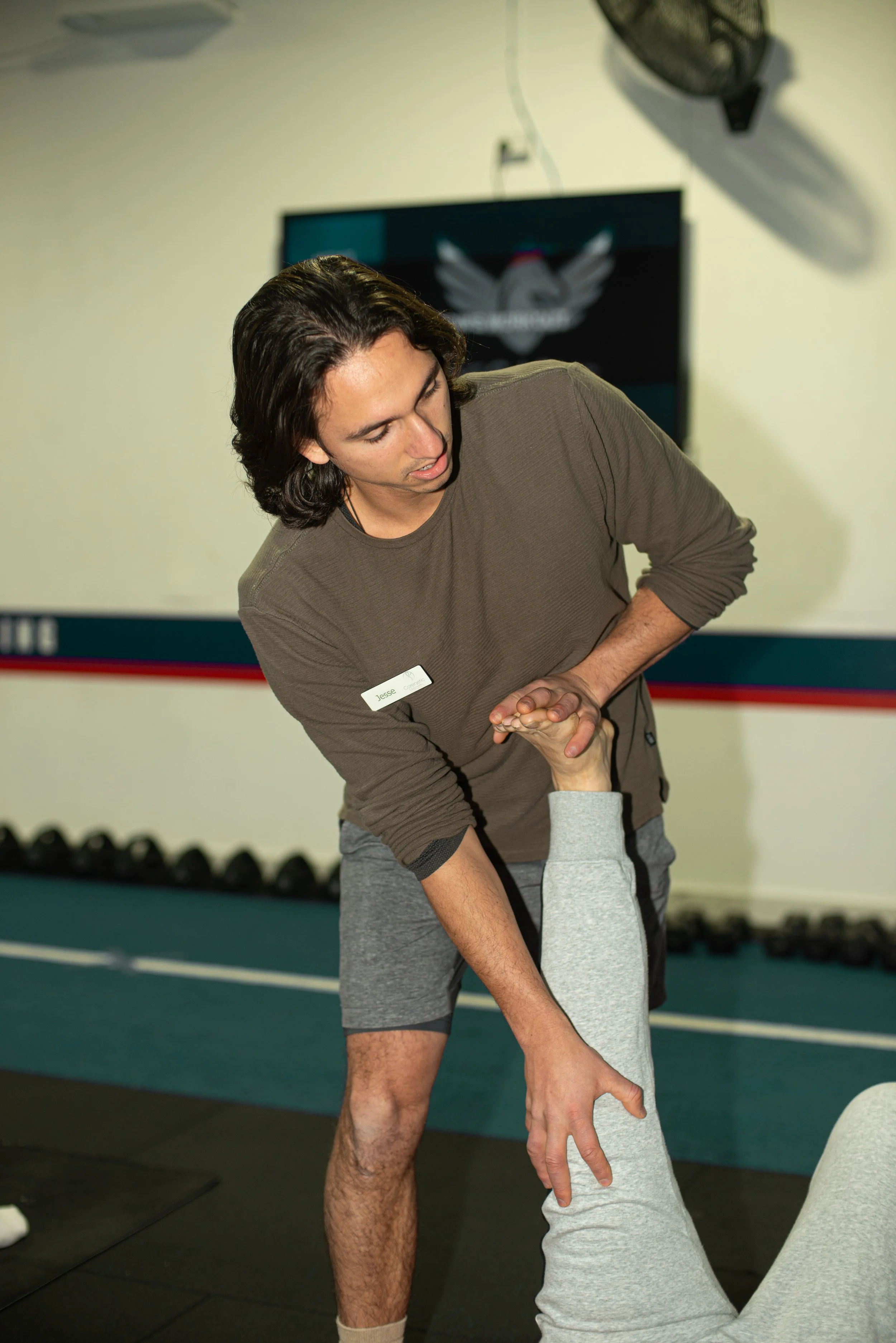
Jesse's approach to knee pain starts with understanding the full picture, not just the knee itself, but your movement patterns, training history, load, footwear, and any contributing factors from the hip or spine or opposing limb. Assessment covers range of motion, strength, joint mechanics, and how the knee behaves under load. Treatment typically includes manual therapy, education around load management, and a progressive rehabilitation program designed around your goals and lifestyle.

Tight quadriceps, hamstrings, calves, and hip muscles all affect how the knee loads. Remedial massage works on the surrounding myofascial system to reduce tension, improve circulation, and support recovery particularly useful for people with chronic knee pain where the muscles have been guarding for a long time. Read more about our Remedial Massage therapist Uschi.
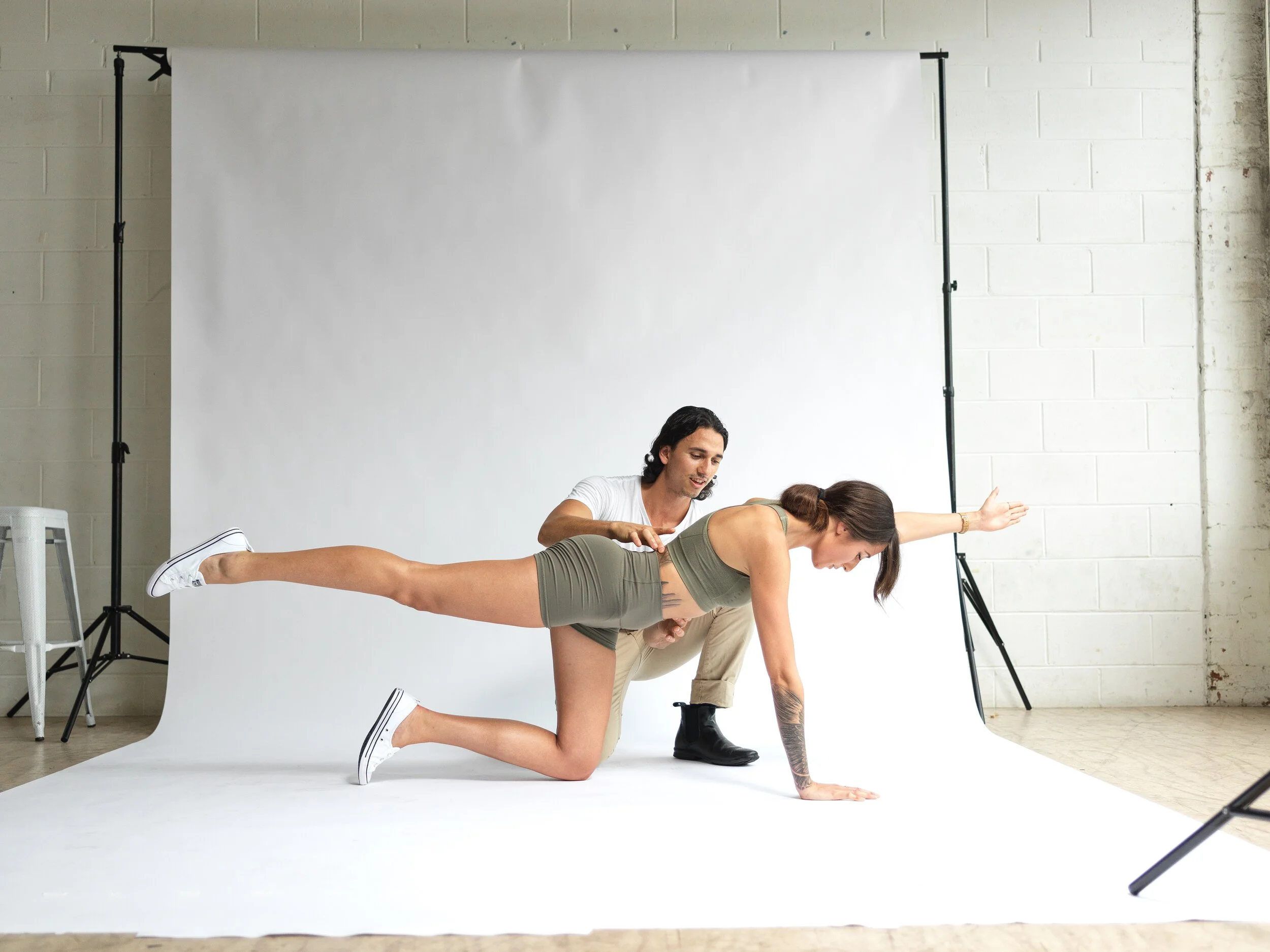
For knees that keep flaring up despite doing all the right things, DNS offers a deeper angle. It works on the deep stabilising patterns of the trunk and lower limb, addressing the neuromuscular control that underpins how your knee tracks and loads during movement. It's particularly useful for people with recurrent patellofemoral pain, instability, or post-surgical rehab that has plateaued.
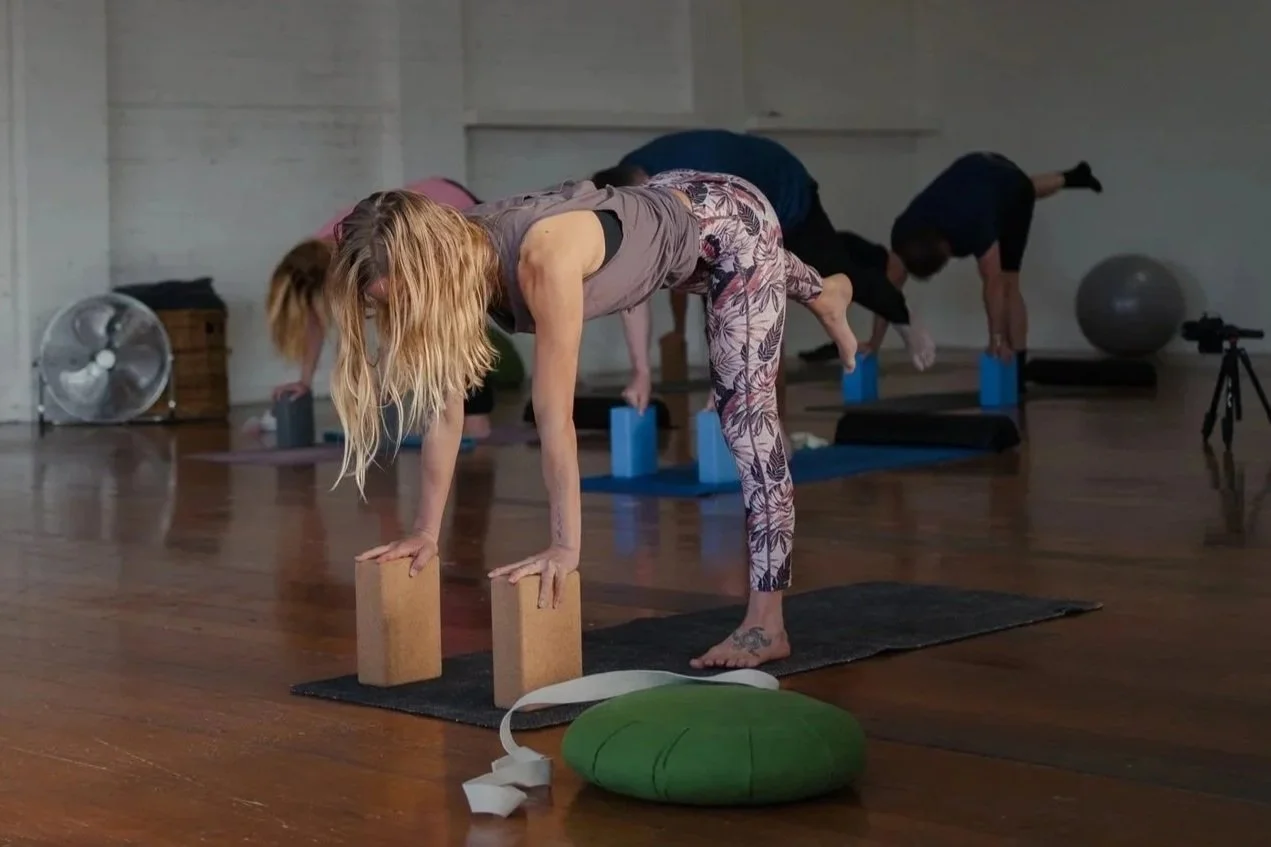
Our yoga classes offer a low impact way to rebuild mobility and strength around the knee as part of the overall recovery. Targeted postures can improve hip and ankle mobility, which directly influences knee mechanics, while breathwork and mindful movement help retrain the nervous system's relationship with pain. This works particularly well for people with osteoarthritis or chronic pain who need a sustainable way back into regular movement.
What to Expect at Your First Appointment
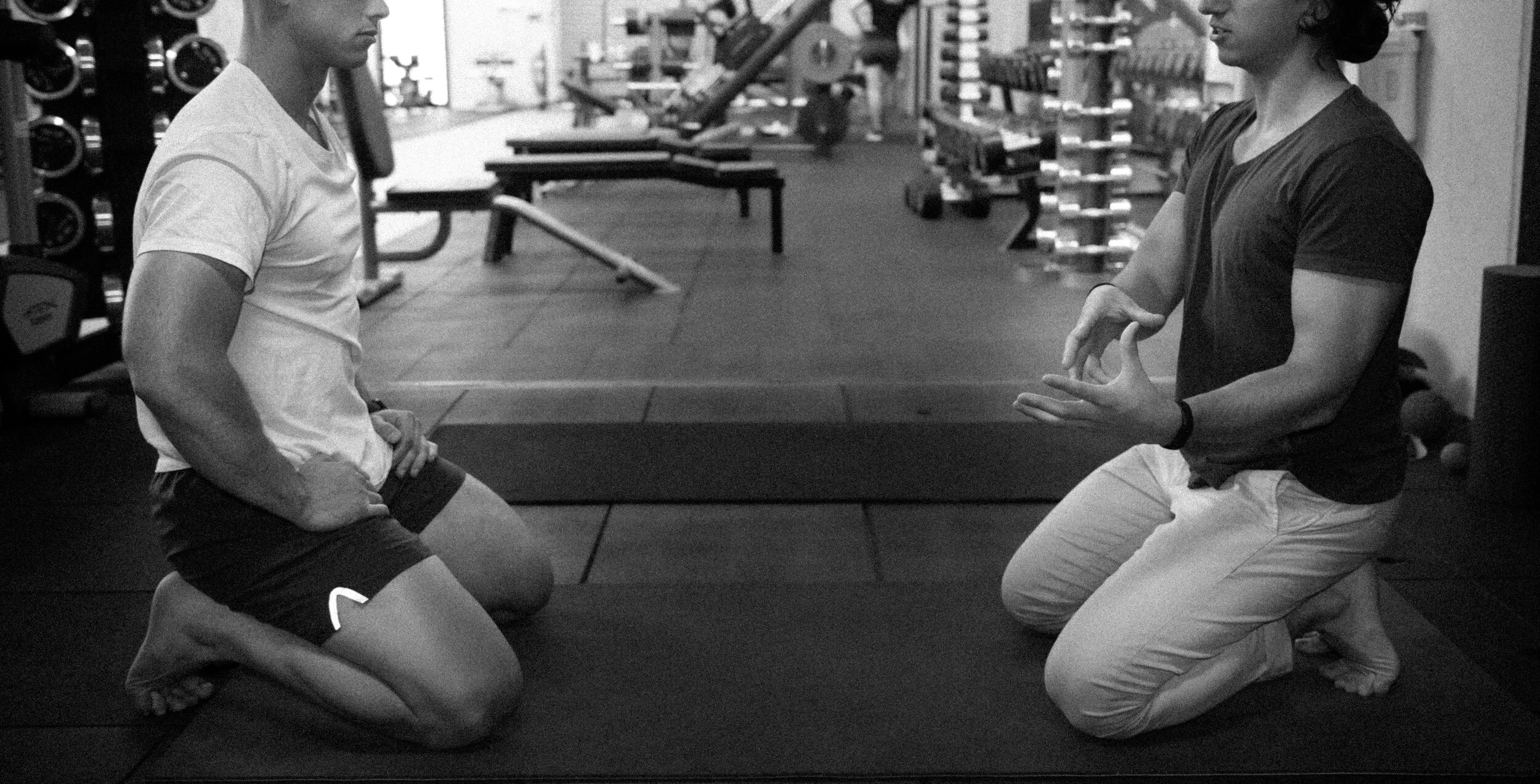
Your first session will start with a conversation about where the pain is, when it started, what makes it better or worse, and what you want to get back to doing. From there, we’ll assess your knee, hip, and lower limb movement to build a clear picture of what's going on.
You'll leave with a diagnosis or working hypothesis, an explanation of what's driving the pain, and a plan for what comes next. Most people also get started on treatment in the first session, so it's rarely just an assessment.
For straight forward knee pain, meaningful improvement usually comes within four to six sessions. More complex or long-standing presentations will take longer, but you'll always know where you're at and what the next step looks like.
Frequently Asked Questions
-
Not usually. A good clinical assessment picks up most knee problems without the need for scans. If imaging is genuinely needed, Jesse will refer you. In many cases, scans reveal findings like mild cartilage wear or a minor meniscal change that are common and don't require surgical intervention. Having a physio interpret these in context is often more useful than the scan alone.
-
Yes, and it's one of the most evidence-backed interventions available. Exercise therapy, load management, manual therapy and diet changes consistently outperform passive treatments for knee OA. The goal isn't to reverse the joint changes it's to reduce pain, improve function, and give you the tools to stay active long term.
-
Full return to sport after ACL reconstruction typically takes nine to twelve months, though return to general activity is often possible earlier. Non-surgical management of partial ACL tears can be effective for people with lower-demand activity goals. Recovery depends heavily on the quality of the rehabilitation program, particularly hip and quad strength.
-
In most cases, yes but the type and volume of exercise matters. Some activities load the knee in ways that slow recovery; others are actively beneficial. Your physio will help you modify rather than stop, which generally leads to better outcomes.
-
Directly on the knee joint, massage has a limited role. But working on the quadriceps, hamstrings, calves, and ITB can meaningfully reduce the muscle tension that contributes to knee pain making it a useful part of a broader treatment plan.
-
No referral is needed. You can book directly online or by calling us on +61 468 496 596.
-
Provide your claim number and approval for physiotherapy treatment prior to the time of your first booking and we'll make sure we have everything in place for your first visit.
-
The foot and ankle are the first contact point for the body’s weight during gait and set the scene for the force distributino onto the knee. Read more about how the foot and ankle complex impact the knee.
Ready To Get Back On Your Feet?