
Foot & Ankle Pain Treatment in Collingwood

The foot and ankle form the foundation of posture and movement. When something goes wrong down there, it shows up in every step and often well beyond the foot itself, as the rest of the body adjusts to compensate.
Foot and ankle pain can stem from many structures: the burning in the heel you feel taking your first steps in the morning, the Achilles that tightens up at the start of a run, the ankle that rolled months ago and still isn't quite right.
These problems don't always resolve on their own, and when they don't, they tend to send effects upward into the knee, hip, and lower back. At Lionheart in Collingwood, we assess and treat foot and ankle conditions as part of the whole lower limb mechanics.
Common Foot & Ankle Conditions We Treat
-
Plantar fasciitis is one of the most common causes of heel pain, affecting the thick band of tissue that runs along the sole of the foot from the heel to the toes. The classic presentation is a sharp, burning pain in the heel that's worse with the first steps in the morning or after sitting for a while. It tends to ease with movement but can return after prolonged walking or standing. It responds well to targeted physiotherapy, load management, and footwear modifications, though it can be stubborn without a holistic approach.
-
The Achilles tendon connects the calf muscles to the heel bone and is one of the most loaded tendons in the body. Achilles tendinopathy, irritation of the tendon from overload, causes pain and stiffness at the back of the heel, particularly in the morning and at the start of walking. It's common for runners and anyone who has recently increased their training load. A structured progressive exercise program and manual therapy are the most effective treatments; passive rest makes it worse over time.
-
Lateral ankle sprains, rolling the ankle outward, are one of the most common injuries across sport and everyday life. The immediate management of swelling and pain is just one part of recovery. Many people don't complete their rehabilitation fully, which leaves the ankle with residual stiffness, reduced proprioception, and a much higher risk of re-injury. Physiotherapy that addresses strength, balance, and neuromuscular control is what prevents this from becoming a recurring problem.
-
For some people, repeated ankle sprains or an inadequately rehabbed first injury leaves the ankle feeling chronically loose and unstable. This isn't just a mechanical problem; the proprioceptive system (the neuromuscular systems ability to sense its own position in space) is often disrupted, which is why balance retraining is a core part of treatment. Without addressing this, the ankle tends to keep getting reinjured.
-
The peroneal tendons run along the outer ankle and play a key role in stabilising the foot during walking and running. Overload or repetitive stress can cause them to become irritated and painful, particularly on the outer side of the ankle. It's sometimes mistaken for a lateral ankle sprain but requires a whole different treatment approach.
-
The posterior tibial tendon supports the arch of the foot from the inside. When it becomes overloaded or degenerates, the arch can progressively flatten producing pain on the inner ankle that worsens with activity and can eventually limit walking significantly. Early physiotherapy intervention is important; left untreated, PTTD can lead to a flat foot deformity that becomes much harder to manage.
-
Stress fractures are small cracks in bone caused by repetitive loading over time. The metatarsals (the long bones of the midfoot) and navicular are common sites, particularly in runners, dancers, and people who have recently increased their training volume or changed footwear. Pain is typically localised, worsens with activity, and eases with rest. They require accurate diagnosis and careful load management to heal properly.
-
Morton's neuroma is a thickening of the tissue around one of the nerves supplying the toes, most often between the third and fourth toes. It produces a burning, tingling, or shooting pain in the ball of the foot, sometimes with a sensation of walking on a pebble. It's more common in women and in people who wear narrow or high-heeled footwear. Physiotherapy and footwear modification are first-line treatments.
-
The heel fat pad acts as a natural shock absorber. With age, repetitive impact, or steroid injections, the fat pad can thin and lose its cushioning properties, leaving the heel bone more vulnerable to pressure. The pain tends to be diffuse across the heel rather than the focal pain of plantar fasciitis, and is aggravated by walking on hard surfaces.
-
The sesamoid bones sit beneath the ball of the big toe and take substantial load during walking, running, and pushing off. Sesamoiditis, inflammation of the tissue around these bones, produces pain under the big toe joint that's worse with activity and when wearing flat footwear. It's common in dancers, runners, and athletes who do a lot of forefoot loading.
When Should You Seek Treatment?
Foot or ankle pain worth getting assessed includes:
Heel pain that's worst first thing in the morning or after rest
Pain along the Achilles tendon, particularly at the start of activity
An ankle that feels unstable, gives way, or has never fully recovered from a sprain
Pain in the ball of the foot, arch, or outer ankle during or after activity
Swelling, bruising, or localised tenderness after an injury
Foot or ankle pain that's altering the way you walk
Symptoms that haven’t improved in 2-3 weeks
Foot and ankle problems are easy to ignore but important to address early to avoid inevitable secondary compensations in the rest of the kinetic chain.
How We Treat Foot & Ankle Pain
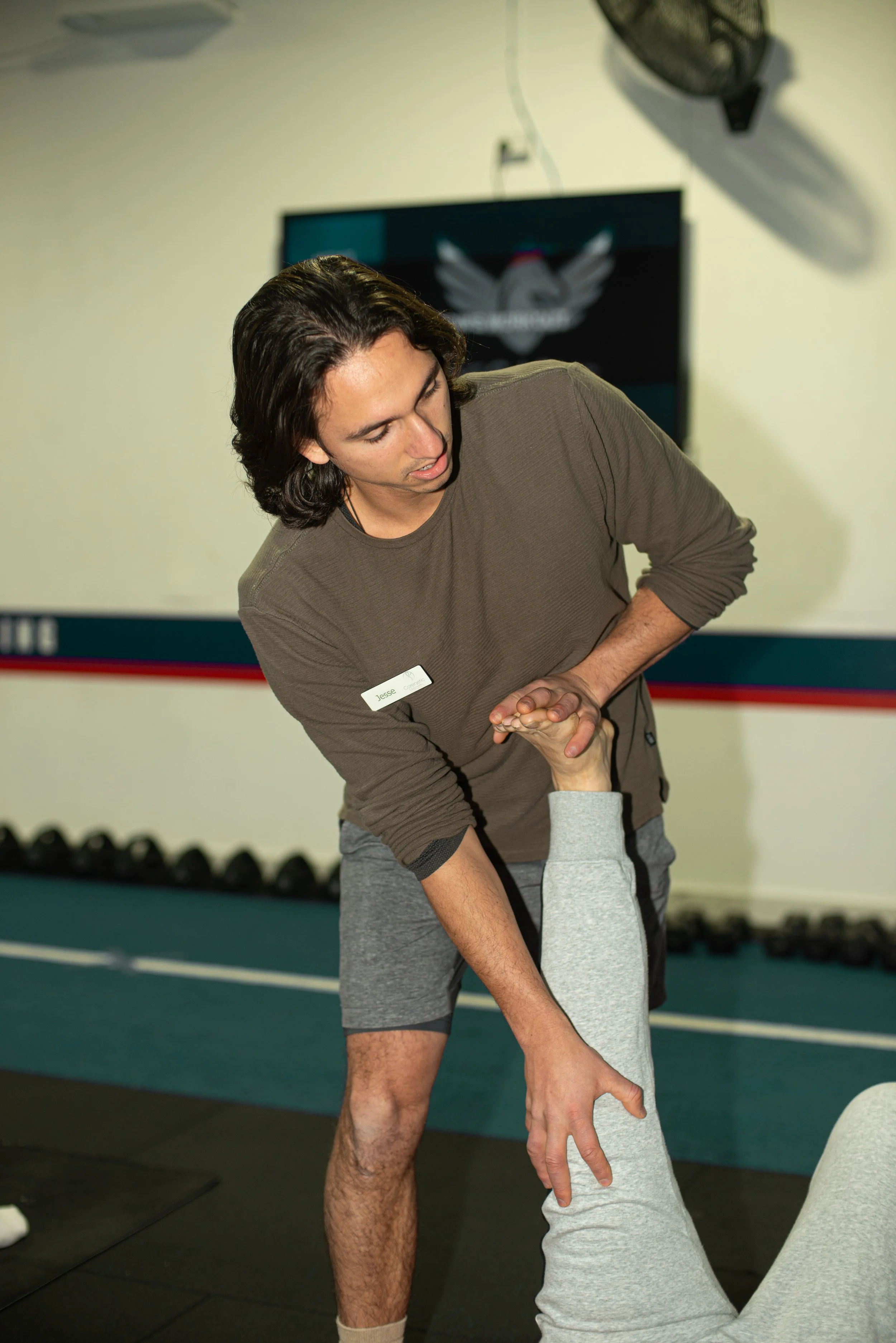
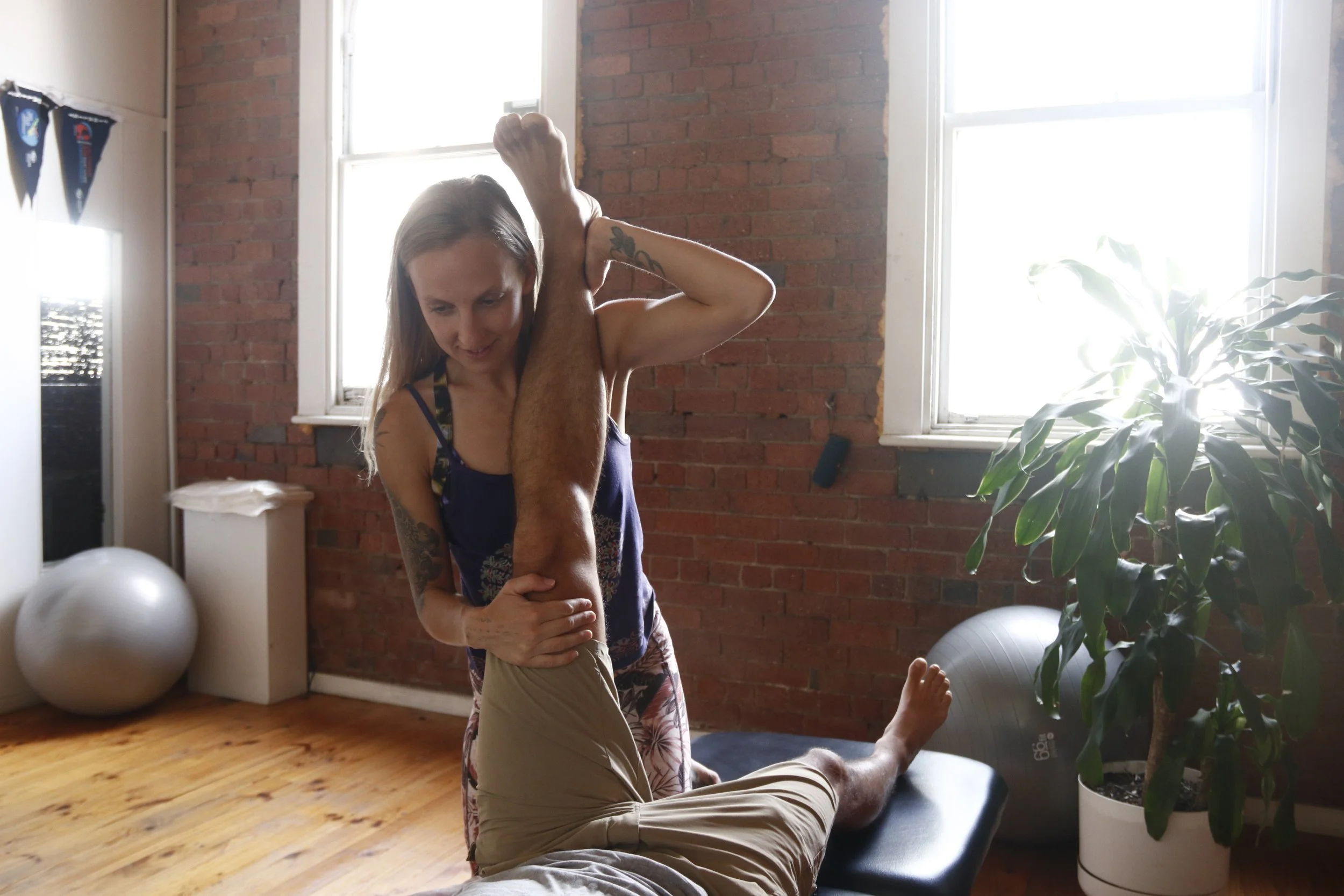
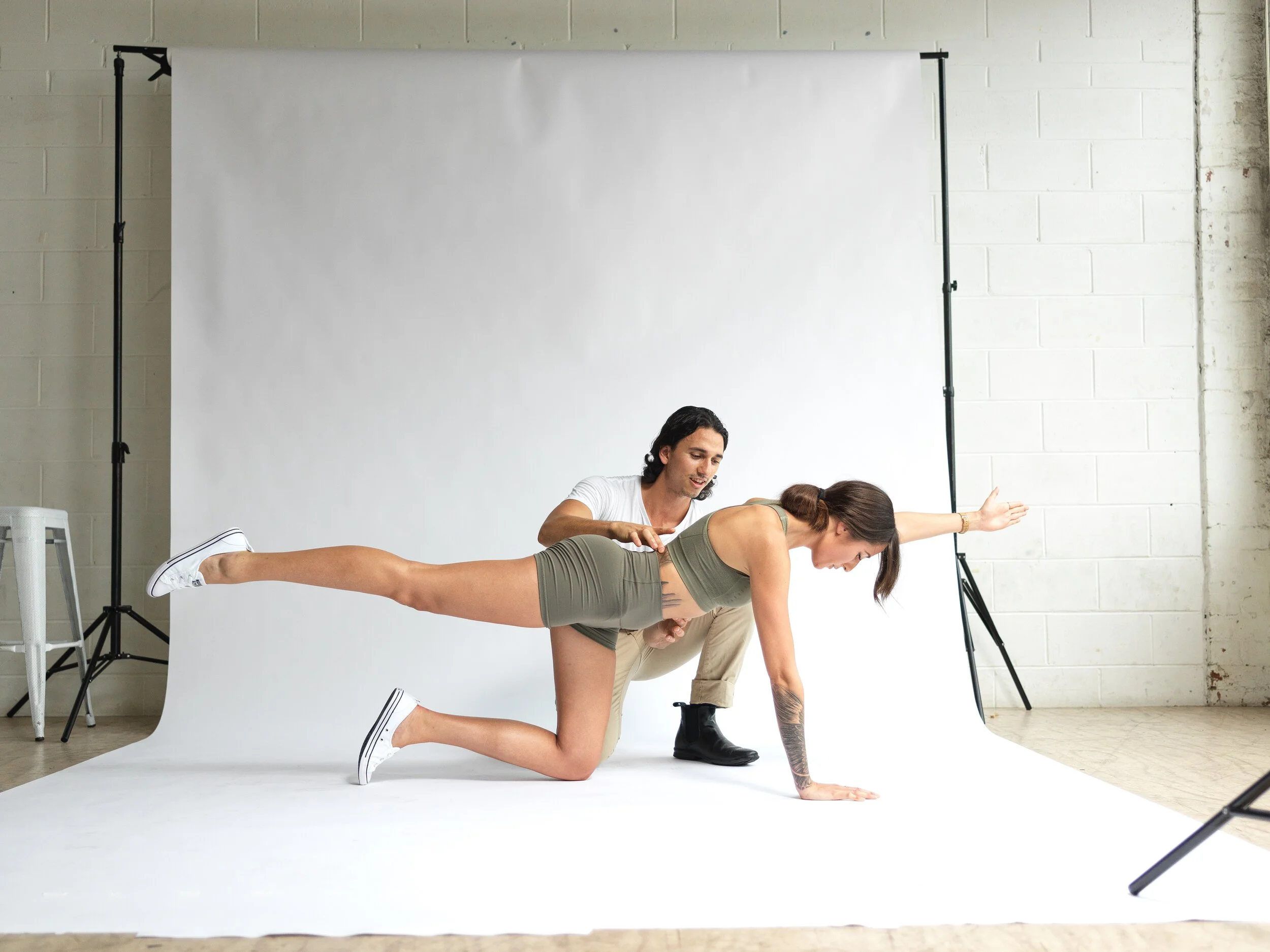
Assessment of foot and ankle pain at Lionheart starts from the ground up. Jesse will assess the structure, mobility and stability of the foot, ankle and lower limb. He will assess how load is distributed through the foot during walking and activity. For runners, gait analysis forms part of the picture. Treatment is tailored to the specific condition and might include manual therapy, dry needling, taping, load management advice, footwear guidance, and a progressive rehabilitation program. For something like plantar fasciitis or Achilles tendinopathy, the exercise prescription is everything getting the exercise parameters right is what drives tissue adaptation and recovery.
Tight calf muscles, restricted plantar fascia, and overloaded tibial muscles all contribute to foot and ankle pain. Remedial massage works on the calf complex, plantar fascia, and the muscles of the lower leg to reduce tension and improve tissue extensibility. This is particularly useful for plantar fasciitis, Achilles tendinopathy, and people who stand or walk a lot for work. Read more about our Remedial Massage therapist Uschi.
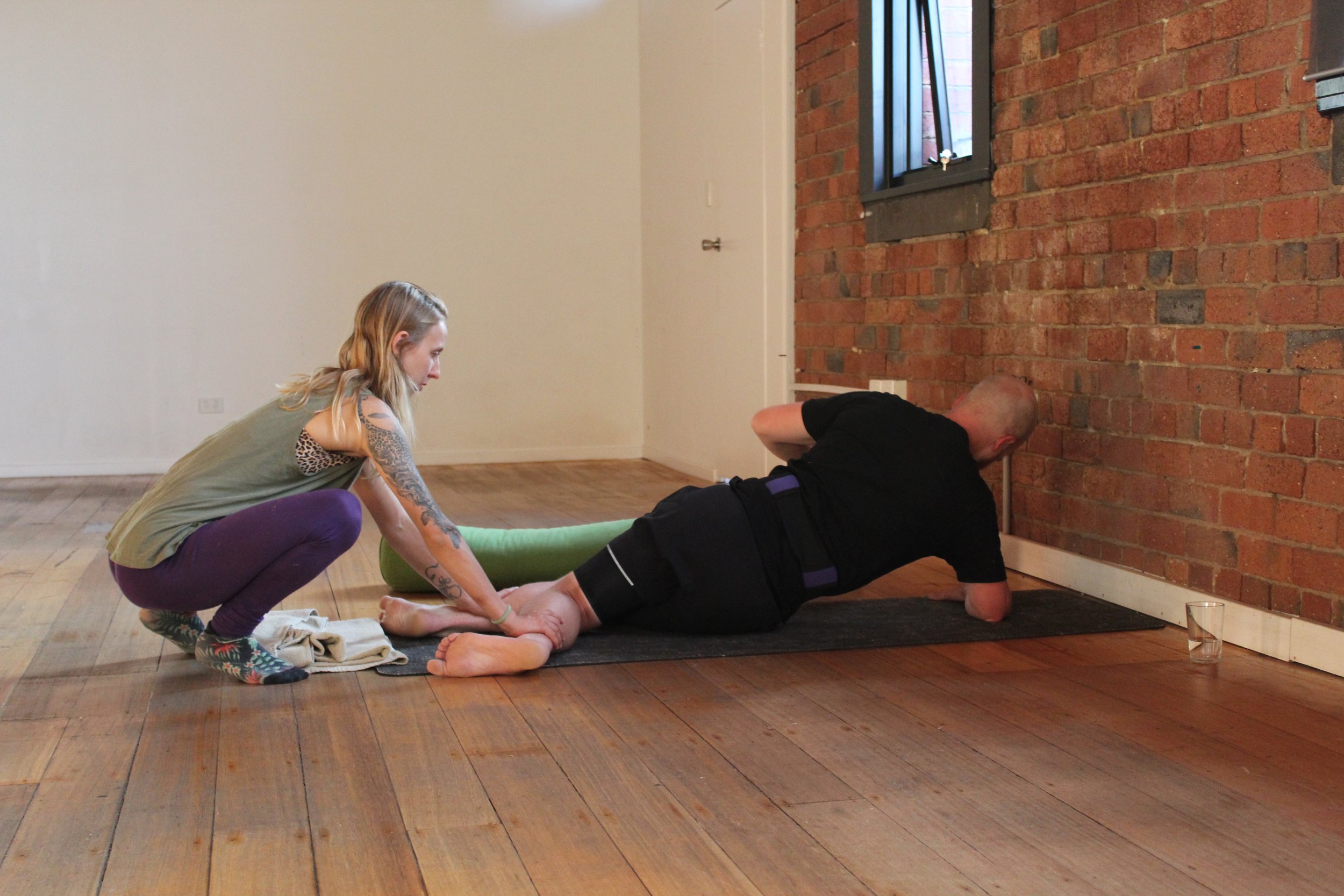
Foot and ankle problems often originate in how the whole lower limb controls load from the ground up. DNS addresses the stabilising patterns of the trunk and lower extremity, improving the neuromuscular coordination that underpins foot and ankle mechanics. For people with recurrent ankle sprains, chronic instability, or arch-related issues, DNS can address the pattern rather than just the site of pain.
Lower limb strength symmetry is foundational for correct foot and ankle health. Once an acute phase has been resolved, rebuilding this foundational capacity reduces compensatory loading on vulnerable structures and significantly lowers the risk of recurrence. Our Movement Therapists work with you to rebuild progressively and in coordination with the physiotherapy plan.
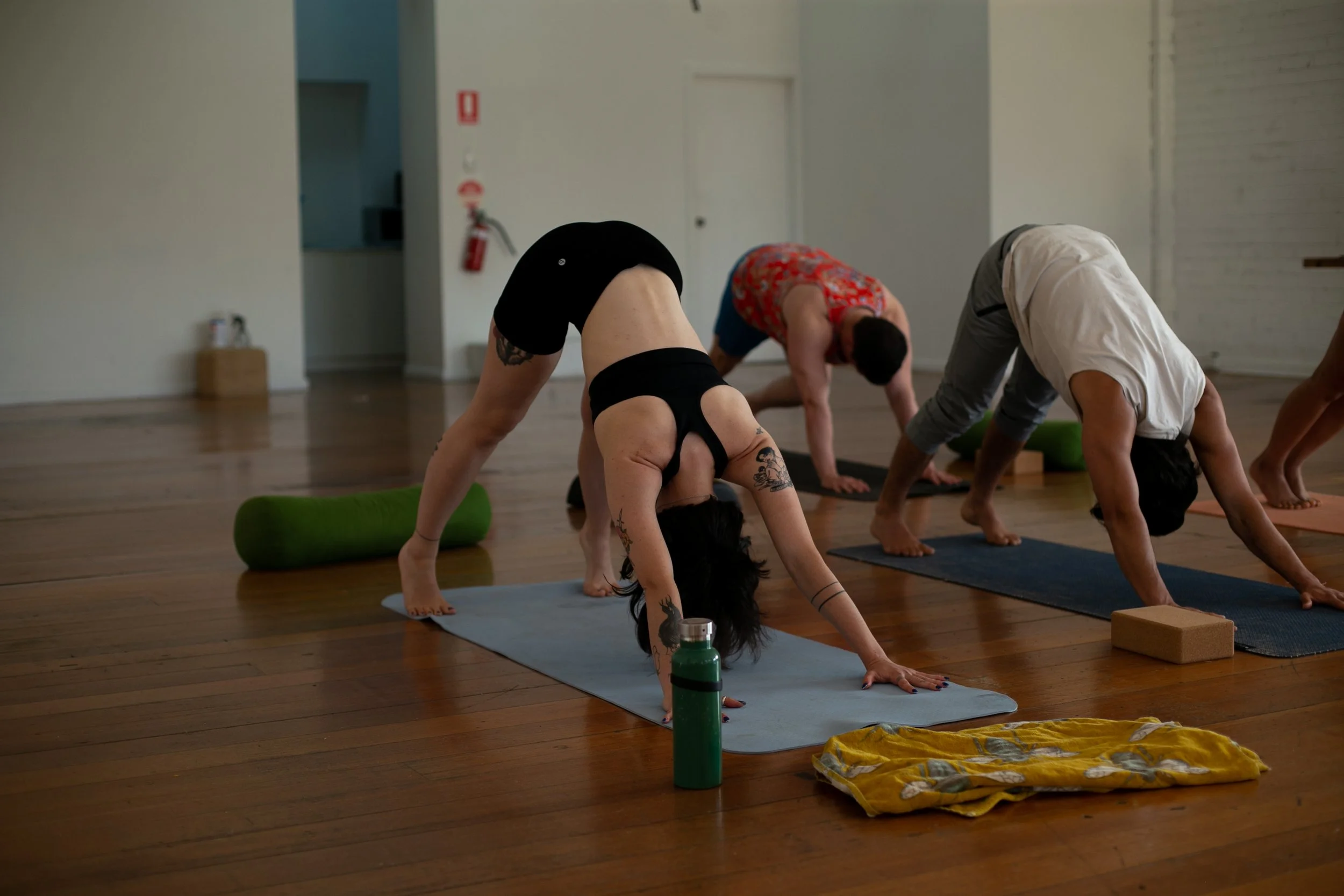
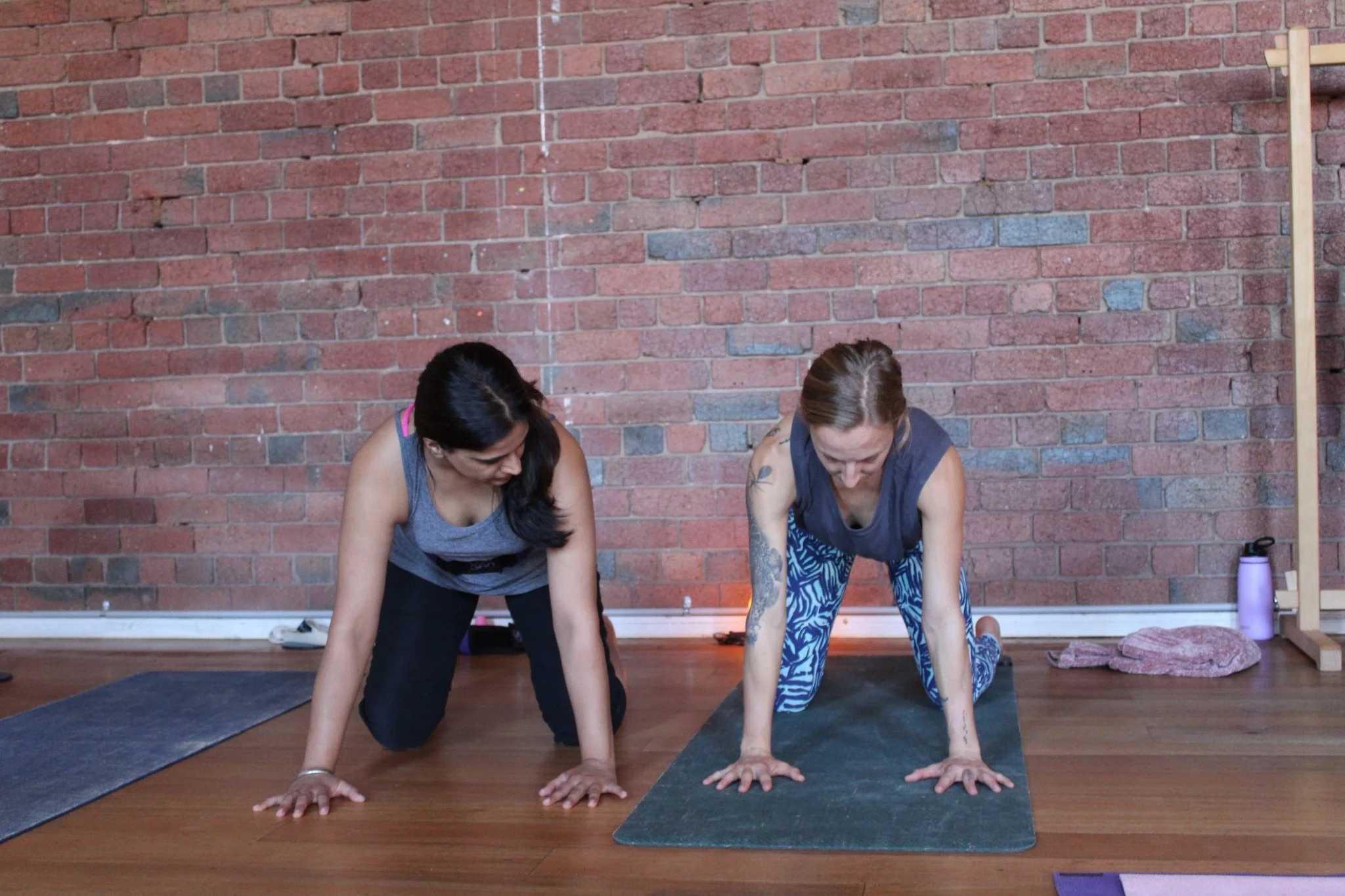
Yoga improves mobility through the ankle, foot, and calf supporting recovery from a range of foot and ankle conditions. Our Yoga classes may help people managing injuries to restore ankle range of motion, improve single-leg balance, and build awareness of how they're loading through the foot. For people managing Achilles tendinopathy or plantar fasciitis long-term, Yoga therapy can be a valuable complement to the physiotherapy program.
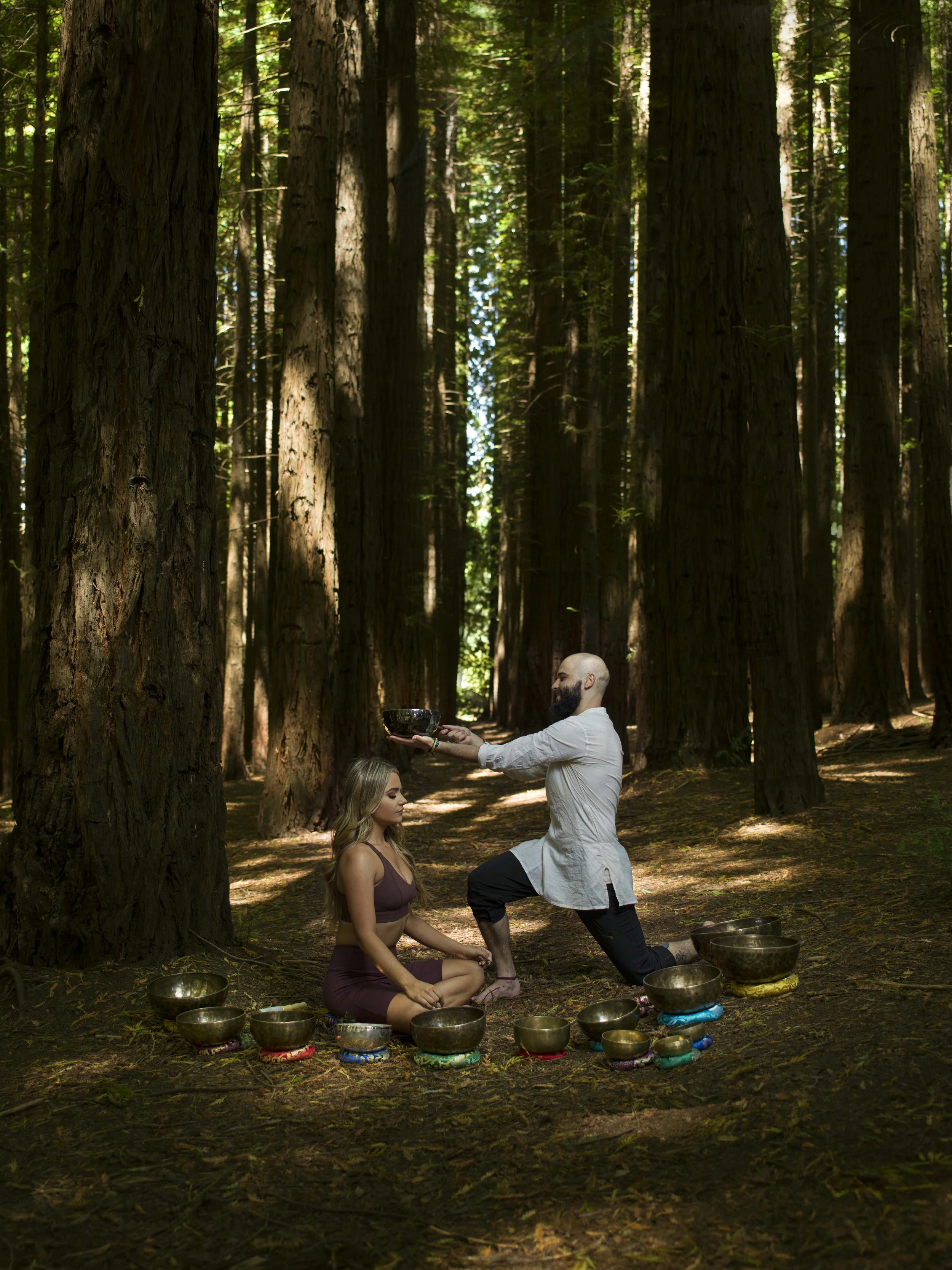
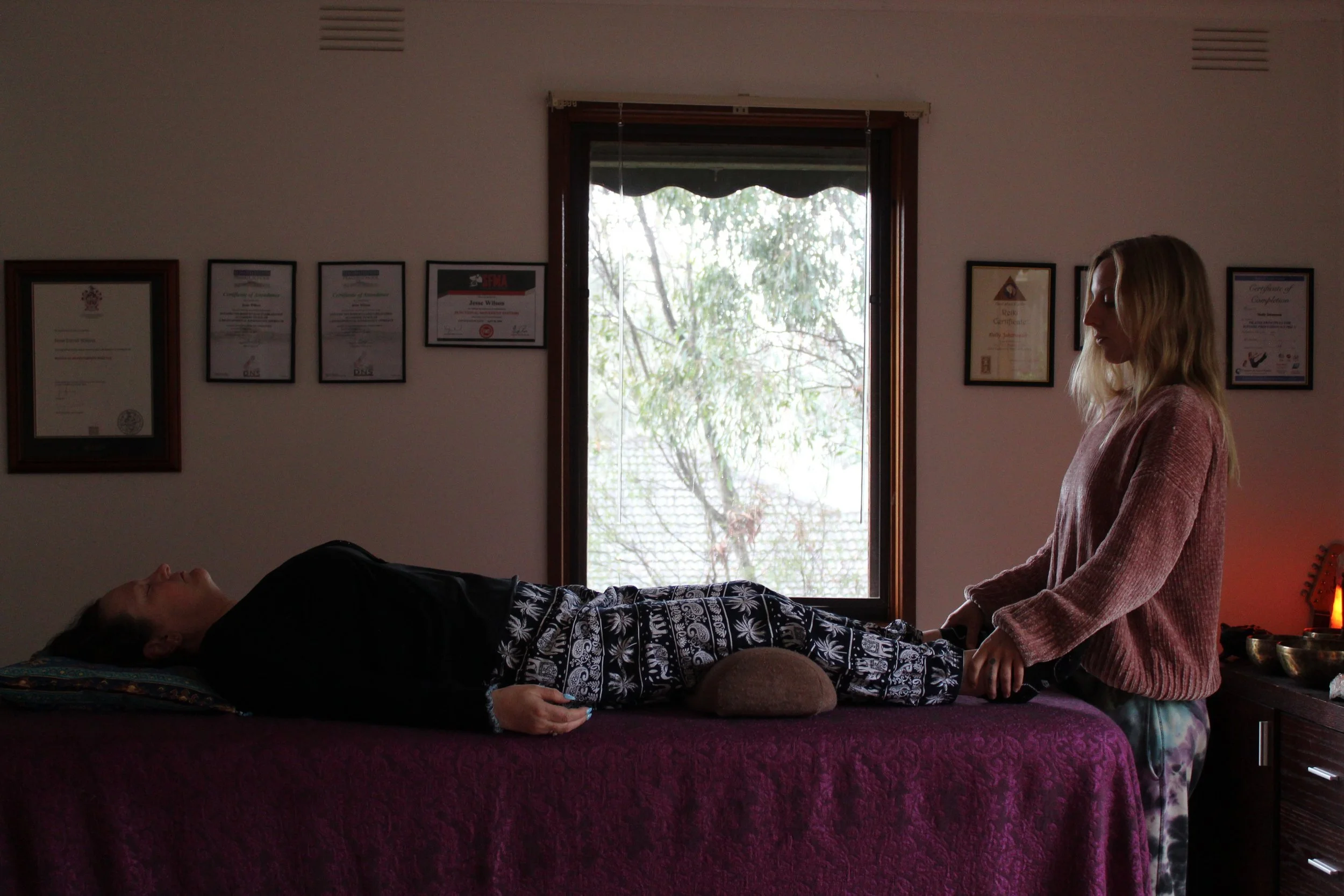
Reiki is an energetic healing modality which can restore internal emotional balance which is often disturbed during recovery from an injury. By drawing on universal (rei) life force energy (ki), the Reiki practitioner facilitates a clearing of energetic blockages which may have developed pre or post injury. Leaving the client feeling lighter, calmer and more at ease within themselves. This promotes a restorative parasympathetic state in the nervous system that is conducive to tissue healing & repair.
What to Expect at Your First Appointment
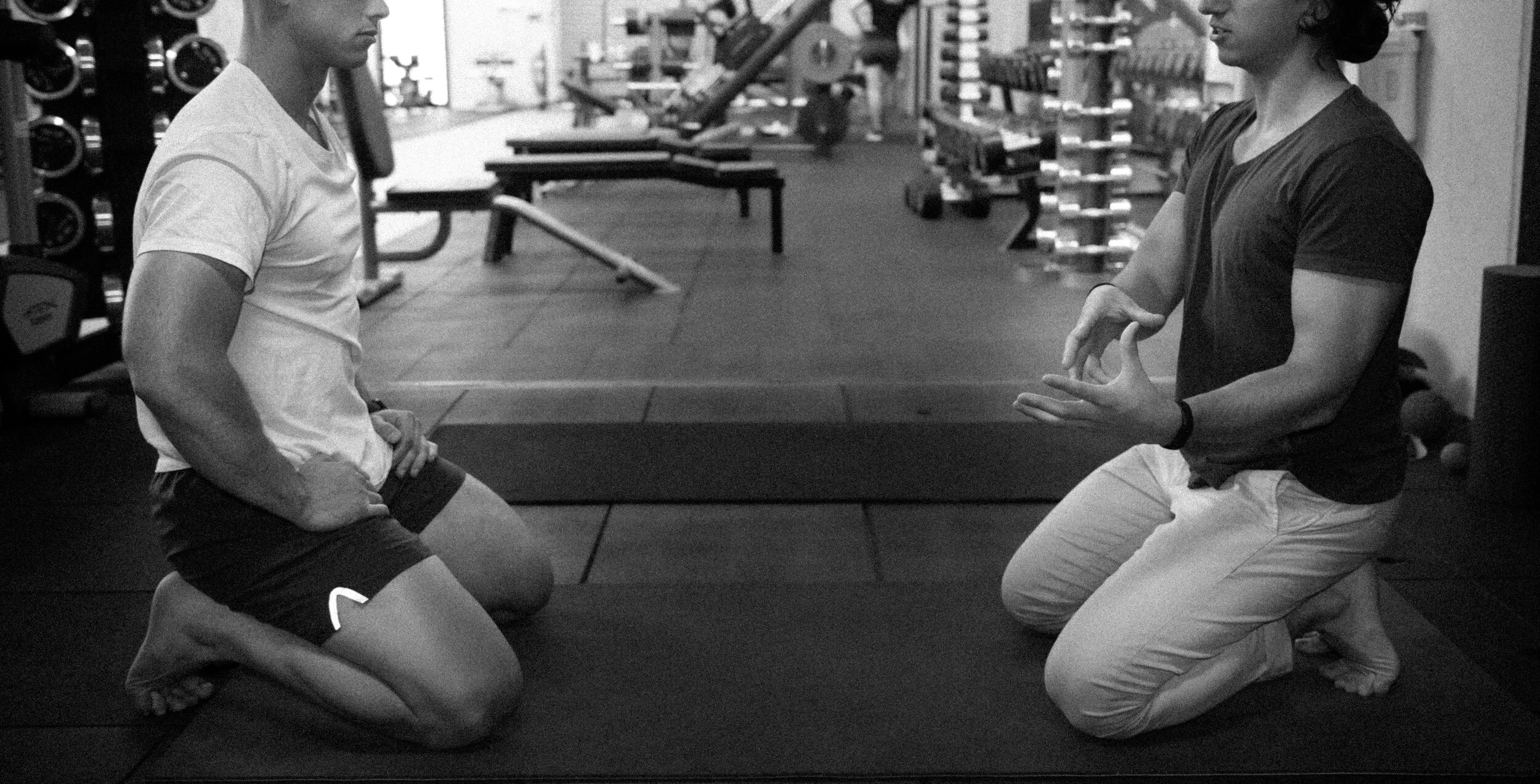
The first session will cover the history of your symptoms, your activity levels, footwear, and any previous treatments or injuries. Jesse will then assess the foot and ankle in detail looking at structure, mobility, strength, and how you move through the joints under load.
You'll leave with a clear explanation of what's going on, realistic expectations for recovery, and an initial treatment plan. Most people also get started on treatment at the first visit, whether that's hands-on work, taping, or beginning a rehab program. Foot and ankle conditions vary considerably in recovery time a minor ankle sprain might settle in two to four weeks, while plantar fasciitis or Achilles tendinopathy can take three to six months of consistent work to fully resolve.
Frequently Asked Questions
-
With appropriate physiotherapy and load management, most people see significant improvement within six to twelve weeks. Full resolution can take longer — particularly in people who've had it for several months before seeking treatment. The key is consistent loading work rather than complete rest.
-
Passive stretching alone is not an effective treatment for Achilles tendinopathy and can sometimes aggravate it. What works is progressive loading specific unilateral lower limb strengthening exercises that can build the tendon's capacity to handle load and reduce compensatory overloading on the affected tissue. Your therapist will prescribe the right program and help you progress it safely.
-
Mild sprains often recover without formal treatment, but moderate to severe or recurring sprains where the ankle doesn't improve after a few weeks will benefit significantly from physiotherapy. The most important reason is restoring proprioception, strength and addressing the root causes which is what causes the ankle to become chronically unstable.
-
Not necessarily, and not as a first step. Many foot conditions respond well to physiotherapy, strength work, and footwear advice without custom orthotics. If orthotics are likely to help, Jesse will discuss this with you and refer you to the appropriate provider.
-
Often yes, with modifications to load and footwear. Complete rest rarely produces faster recovery for tendon-related conditions and can allow the tendon to become even less tolerant of load. Your physio will help you adjust your training to stay active while the condition improves.
-
No. Book directly online or call 0468 496 596.
Ready To Get Back On Your Feet?
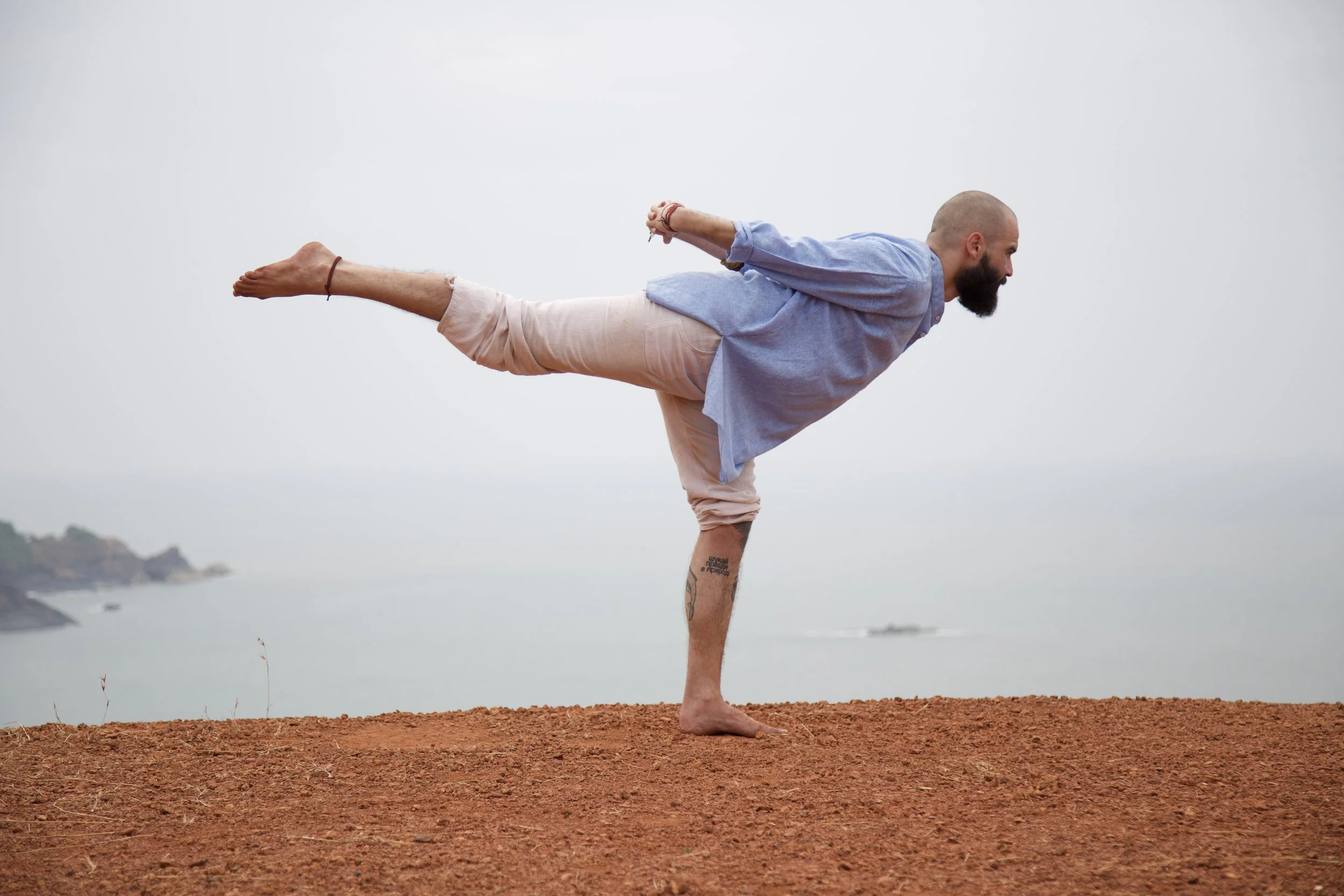
Foot and ankle pain is easy to ignore until it isn’t. Our Collingwood team can get to the bottom of what's going on and help you build the strength and function to stay on your feet for life.
Book your foot and ankle assessment today.
188–190 Johnston Street, Collingwood, Melbourne
0468 496 596