
Pregnancy & Postpartum Care in Collingwood
Pregnancy and the postpartum period are profound physical transitions that place unique demands on the body. As posture, breathing mechanics, load and energy shift, it is common for pain, tension and instability to emerge. At Lionheart, we believe this season deserves thoughtful, integrative care that supports not only symptom relief, but long-term alignment, recovery and trust in your body.
At Lionheart in Collingwood, we support people through pregnancy and beyond birth with physiotherapy, remedial massage and yoga. Whether you are navigating pelvic girdle pain, lower back pain, postural strain or a safe return to exercise, we offer clear, individualised guidance to help you move, recover and feel more supported through every stage.
Integrative Care Along The Journey To Motherhood
-
Pelvic girdle pain is one of the most common physical complaints during pregnancy, affecting the sacroiliac joints, pubic symphysis, or both. It produces pain in the groin, lower abdomen, inner thighs, or across the lower back and buttocks. It can make walking, climbing stairs, rolling over in bed, and standing on one leg very painful. With the right physiotherapy management including load advice, specific exercises, and sometimes a support belt most people experience significant improvement.
-
As the abdomen grows and the body's centre of gravity shifts, the lumbar and thoracic spine take on load in different ways. This can produce lower back pain, upper back aching, and rib discomfort that builds through the second and third trimesters. Physiotherapy addresses the muscular and joint factors driving the pain and provides practical guidance on positions, movement patterns, and daily activities.
-
Diastasis recti refers to the separation of the two sides of the rectus abdominis muscle along the midline of the abdomen. Some degree of separation is normal and expected in pregnancy. The concern arises when the linea alba (the connective tissue between the muscles) doesn't recover its tension after birth, which can affect core stability, contribute to back pain, and cause a visible ridge or gap in the abdomen. A physiotherapy assessment can accurately measure the gap and, more importantly, assess the function of the tissue which determines what you can safely do and how to progress loading.
-
The pelvic floor undergoes significant stress during pregnancy and birth. Symptoms of pelvic floor dysfunction include leaking urine with coughing, sneezing, or exercise (stress incontinence); urgency or difficulty holding on; a sensation of heaviness or pressure in the pelvic area (prolapse); or pain with sex or internal examinations. These symptoms are common but not normal they're responsive to a holistic approach which may involve physiotherapy, remedial massage and movement therapy, and the earlier they're addressed the better.
-
Recovery from a caesarean section involves healing through multiple layers of tissue, and the resulting scar can affect movement, sensation, and load transfer through the abdomen and pelvis long after the surface has healed. Physiotherapy supports scar tissue management, gentle reloading of the core, and progression back to full activity in a way that respects the specific demands of abdominal surgery.
-
Physiotherapy in the lead up to birth can be genuinely useful not just for managing pain, but for understanding how to use your body during labour. This includes guidance on optimal positioning, pelvic floor awareness, breathing strategies, and load management in the final weeks.
-
The first twelve weeks postpartum is a period of significant tissue healing and hormonal change. Returning to exercise including walking, running, lifting, yoga, and gym work needs to be paced appropriately. "Just listen to your body" is not sufficient guidance for many people. A physiotherapy assessment provides a clear framework for what to do and when, based on how your body is healing rather than a generic timeline.
Signs You Should Seek Support
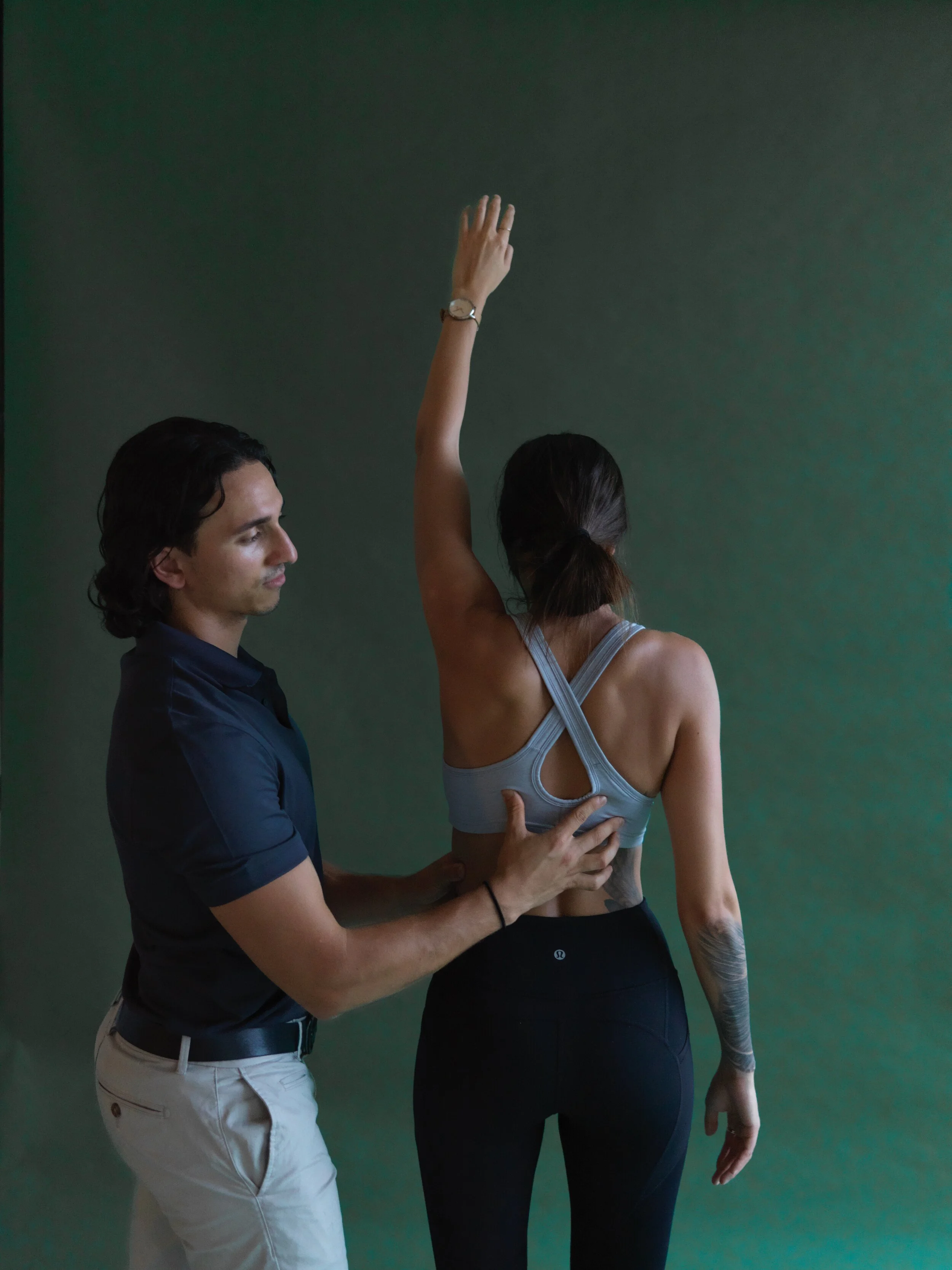
During pregnancy or postpartum, it's worth getting assessed by a physiotherapist if you have:
Pelvic, groin, or lower back pain that's affecting your daily function or sleep
Any leaking of urine or difficulty controlling the bladder or bowel
Heaviness, pressure, or a bulge in the pelvic area
A visible gap or ridge down the centre of your abdomen with exertion
Pain with sex or pelvic examinations
Back or neck pain from feeding or carrying
Uncertainty about when and how to return to exercise
A physiotherapy assessment around six to eight weeks after birth is valuable for understanding how your body is recovering and for returning to movement and exercise with more clarity and confidence.
How We Support You At LIT

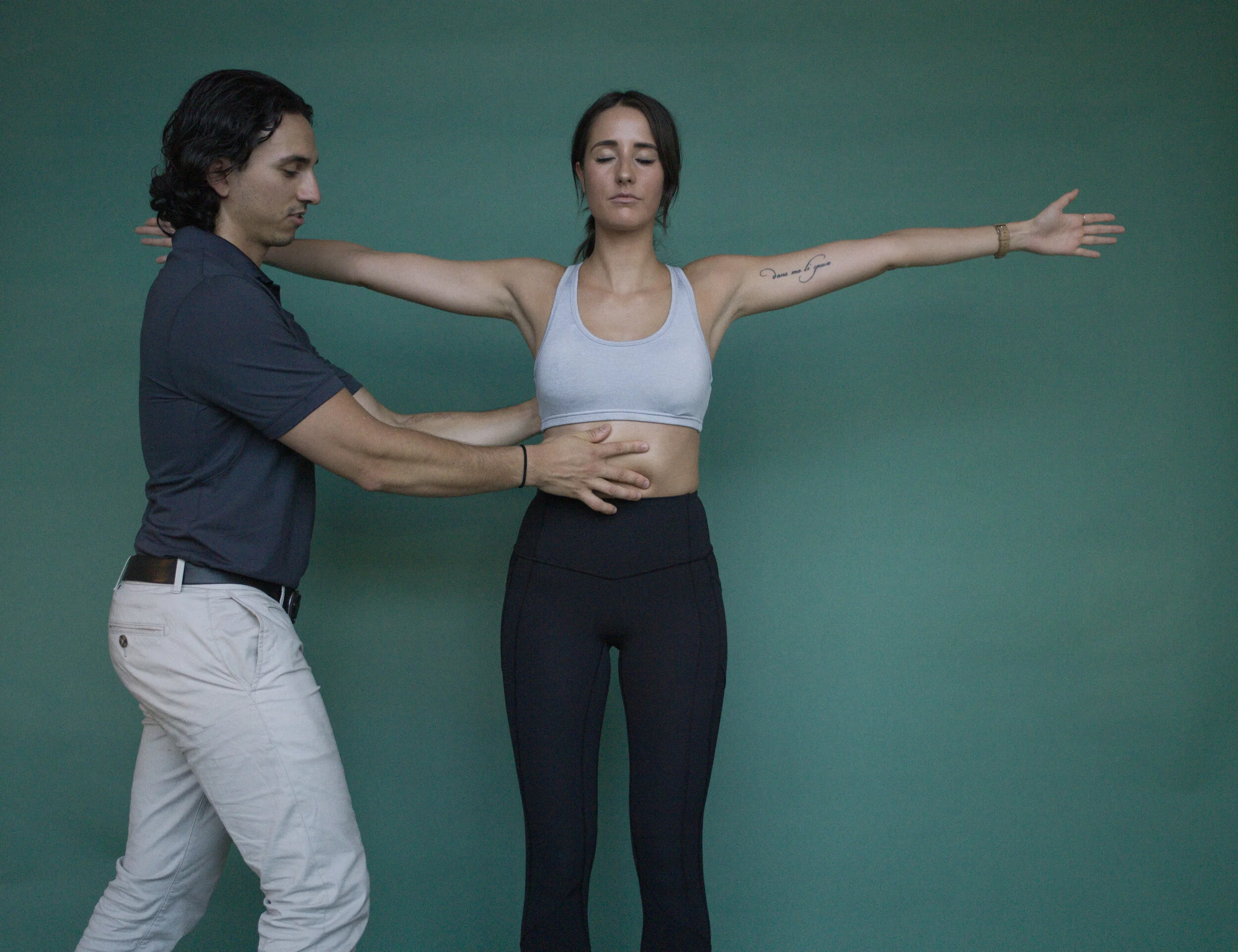
Physiotherapy assessment during and after pregnancy covers pelvic floor function, abdominal wall integrity, pelvic girdle and spinal mechanics, and overall lower limb loading. The goal is to identify what's driving any symptoms, provide hands-on treatment where appropriate, and give you a clear understanding of what your body needs and what it can safely handle at each stage.
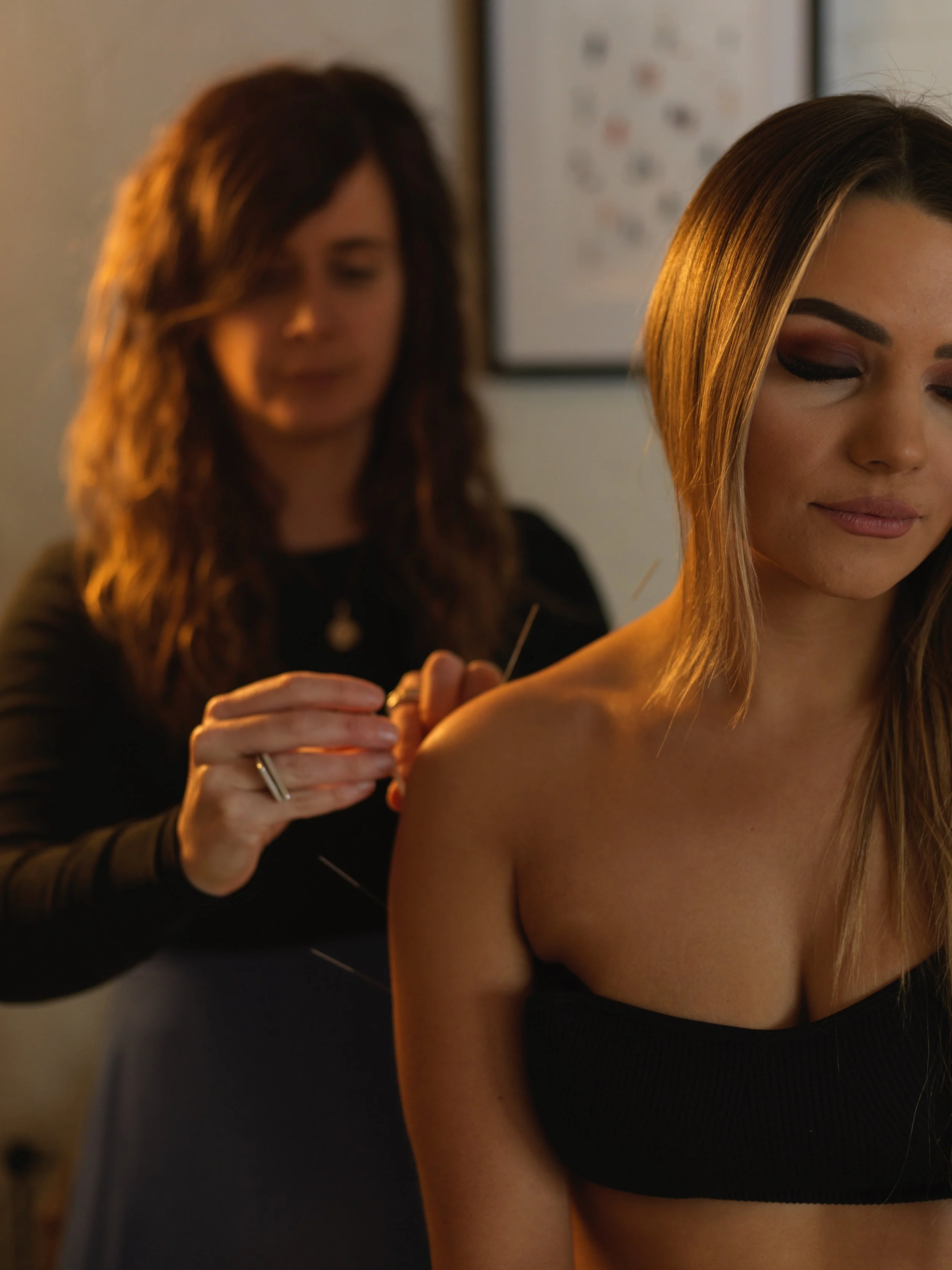
Remedial massage during pregnancy is safe from the first trimester and can be deeply beneficial for the back, hip, and shoulder tension that builds over the course of a pregnancy. Our therapists use positioning and techniques suited to each stage of pregnancy. Postnatally, massage is particularly effective for the thoracic and cervical tension that comes with feeding and carrying, and supports overall nervous system recovery during what can be a physically and emotionally demanding period.
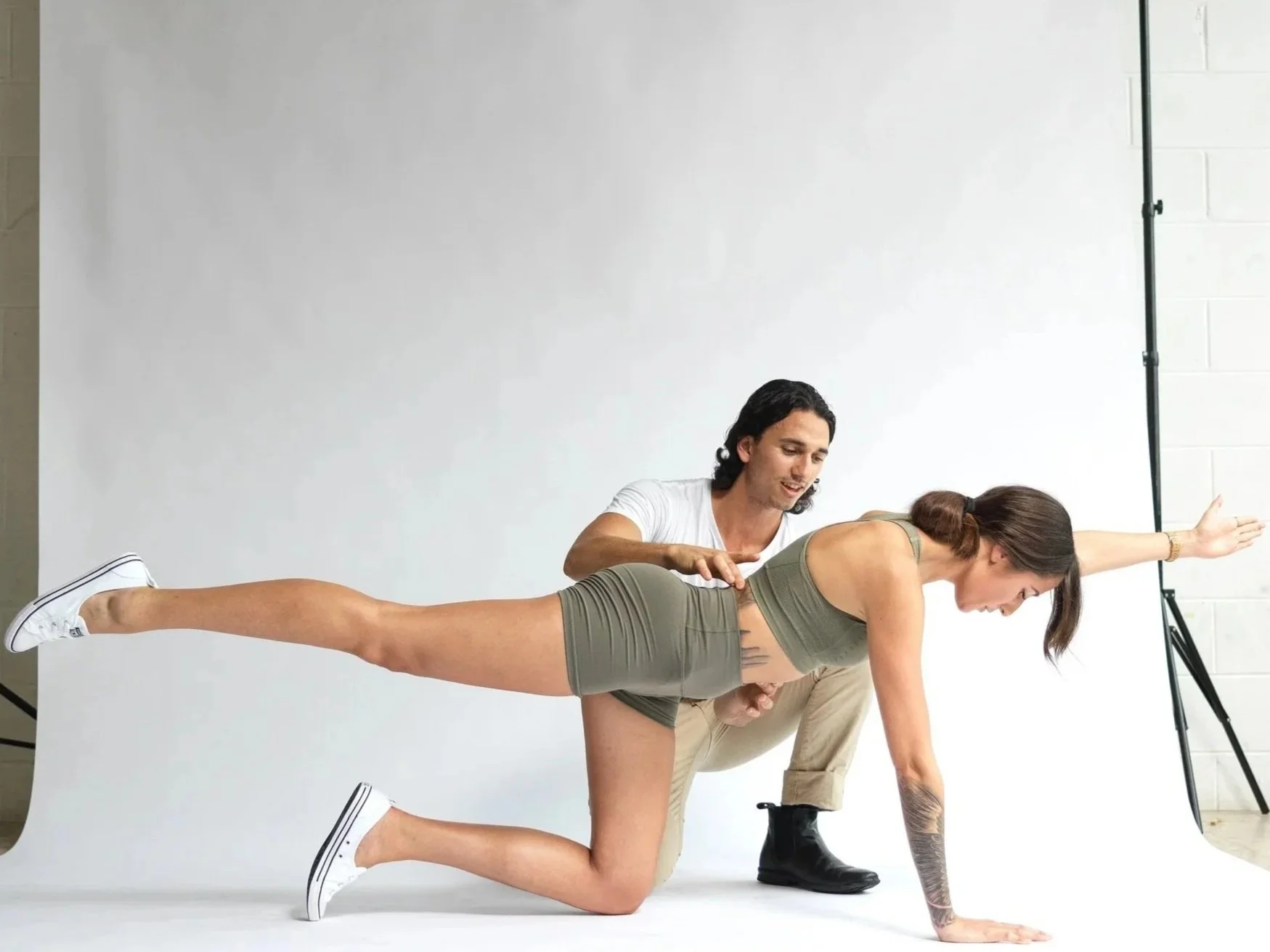
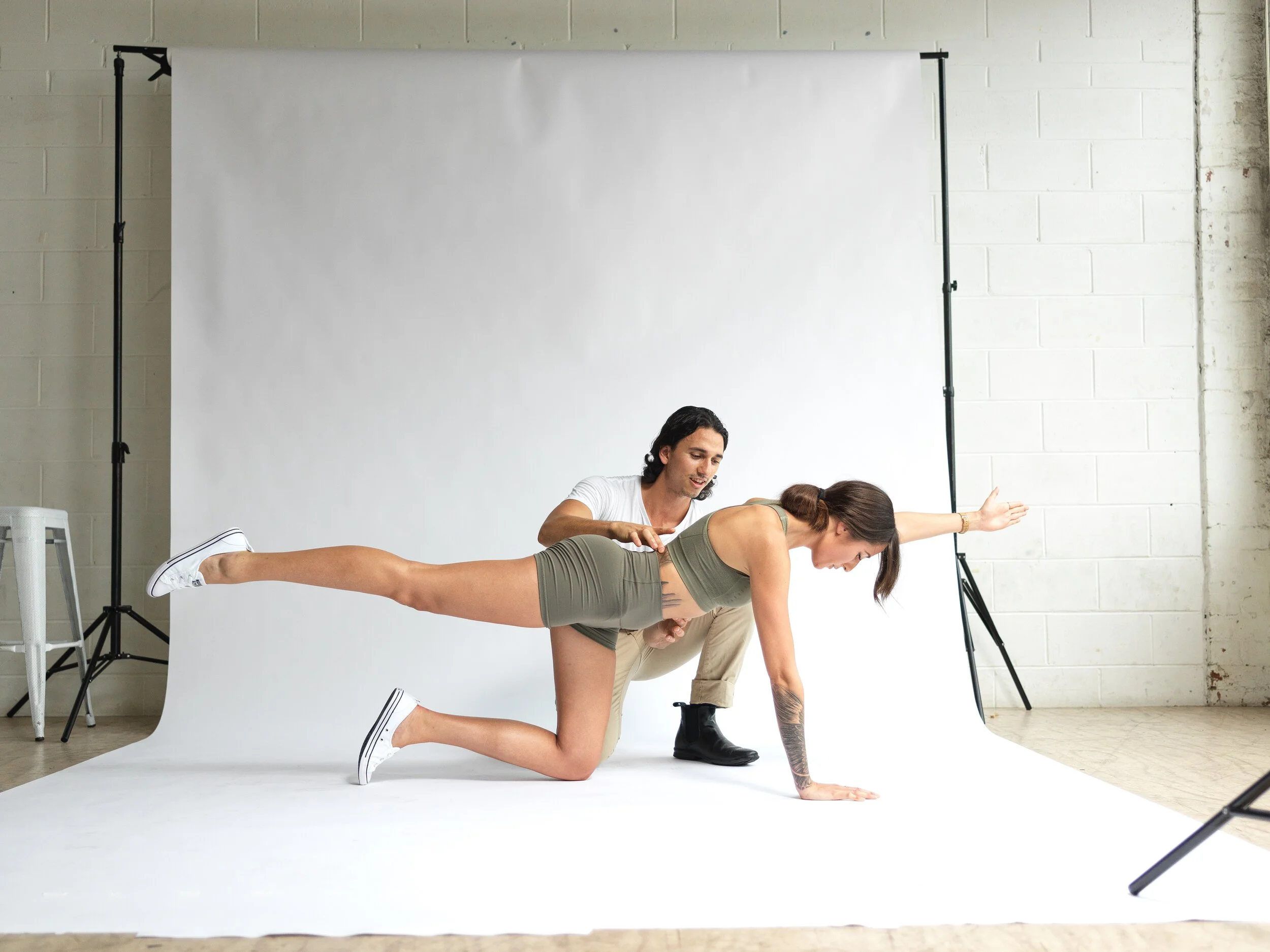
DNS works with developmental movement patterns that are directly relevant to both pregnancy and postpartum recovery. In pregnancy, DNS can help with pelvic stability and load management as the body changes. Postnatally, it offers a structured, gentle way to rebuild deep core function particularly useful for people managing diastasis recti or pelvic floor dysfunction where conventional core exercises like crunches or planks are not yet appropriate.
Movement therapy offers more personalised support for rebuilding strength, confidence and stability through pregnancy and postpartum recovery. Sessions are tailored to your stage, symptoms and capacity, helping you improve posture, pelvic stability, breath control and whole-body movement quality through guided, progressive exercise. For many people, this becomes an important bridge between treatment and returning to regular movement, training and daily life with greater ease.

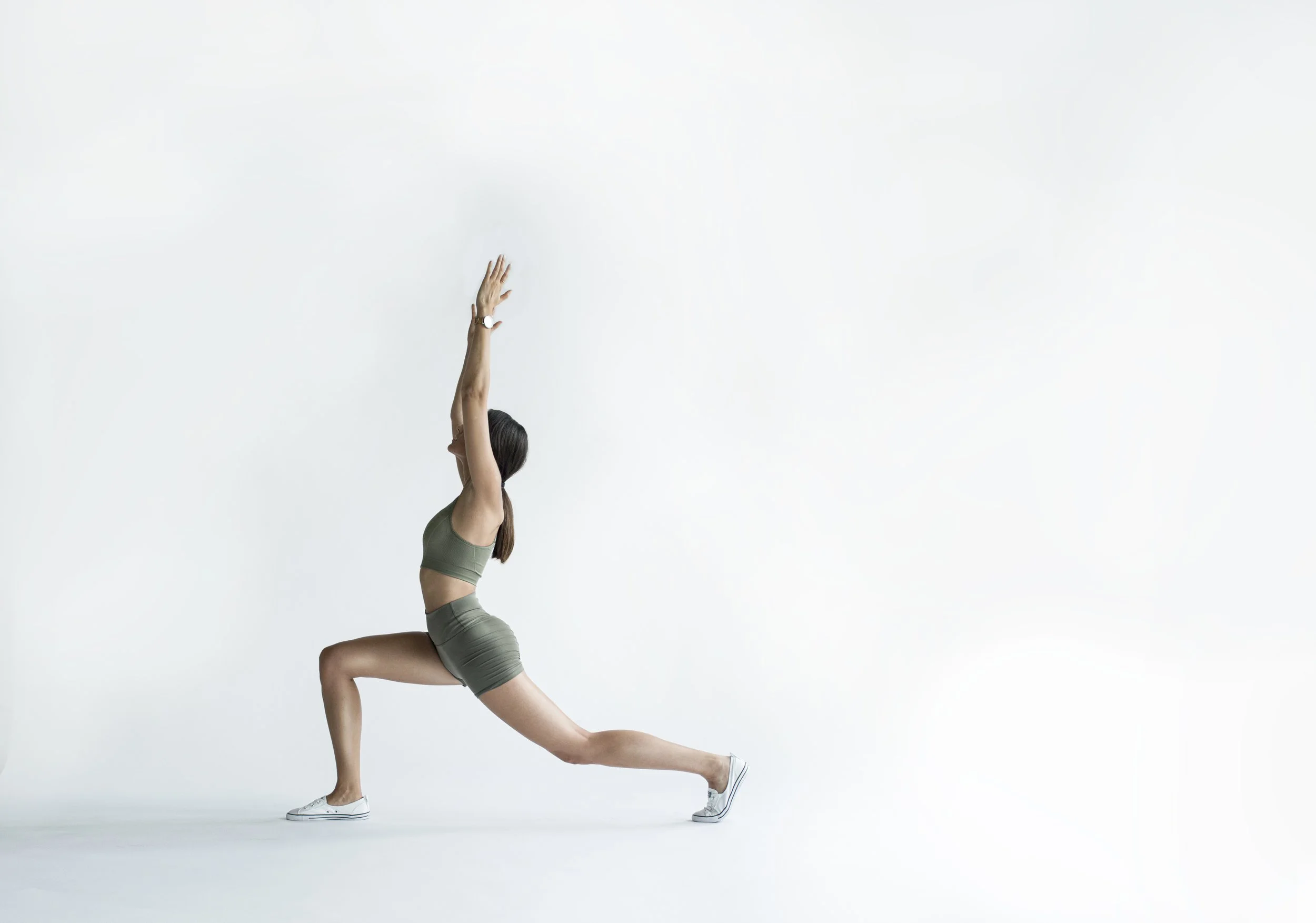
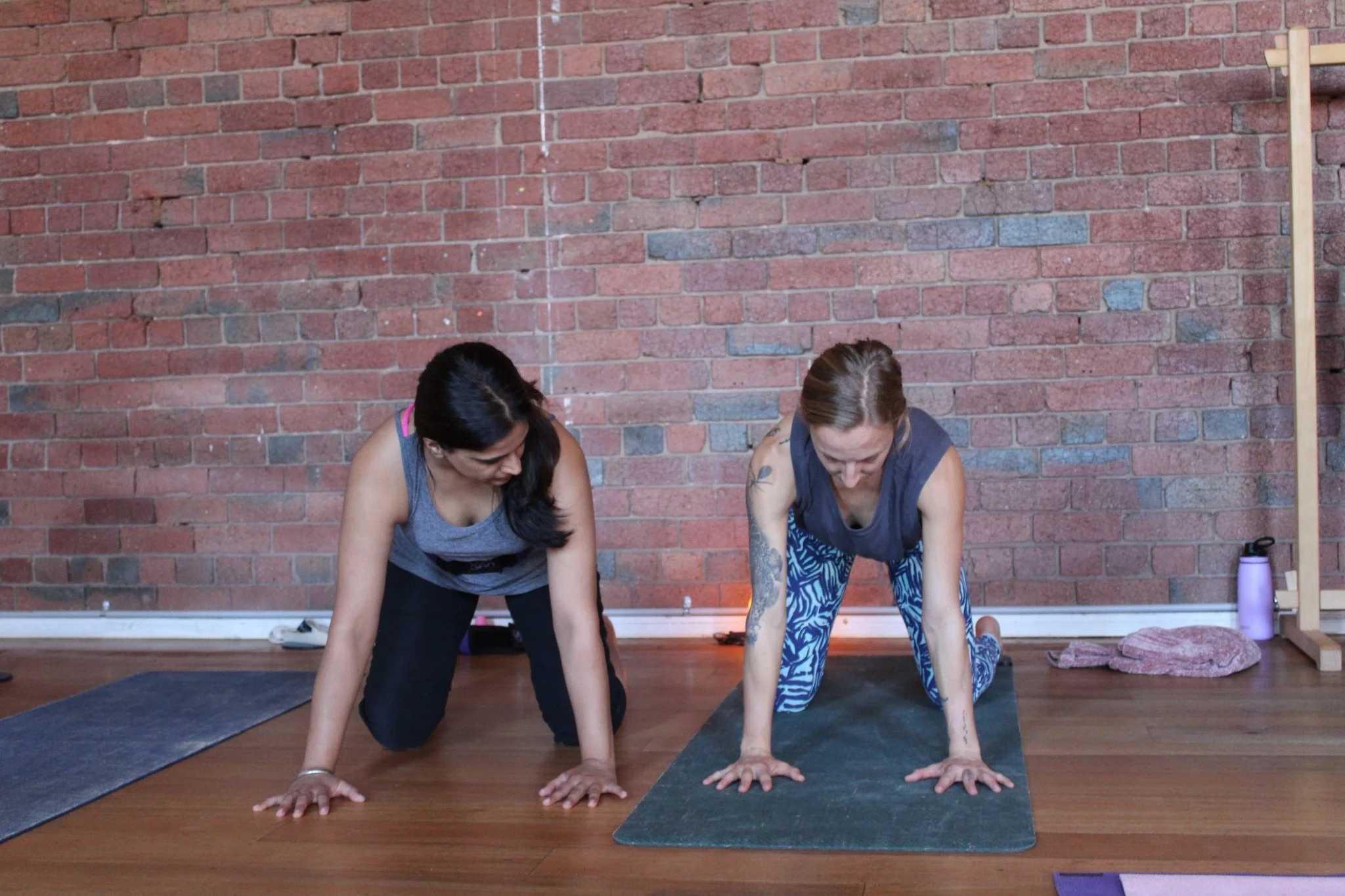
Yoga can be a wonderful support to ensure a happier mother and healthier child during pregnancy and into the postpartum period. Our Yoga Therapist Divya offers movement based support that adapts to where you are physically modified postures during pregnancy that respect the changing body and build the strength and awareness that supports birth, and postnatal work that focuses on gradual reloading, pelvic floor integration, and building back a sense of ease and confidence in movement. This guided, mindful movement is where people find the most consistent relief and recovery.

Pregnancy and the postpartum period can be physically demanding, emotionally intense and deeply taxing on the nervous system. Reiki offers a gentle complementary approach that can help settle the system, reduce internal stress and support a greater sense of calm, grounding and ease. Alongside the more physical aspects of treatment, Reiki can be a valuable way to restore balance and create space for deeper rest during a season of constant change.
What to Expect at Your First Appointment

The first session will start with a conversation relevant to how many weeks along, what your birth plan is, what symptoms you're experiencing, and what you want from the appointment. From there, the assessment is thorough but always paced to what's comfortable and relevant for you.
You'll leave with a clear picture of what's going on and practical steps to take. The emphasis at every appointment is on giving you information and tools you can actually use not just in the clinic, but day to day.
Frequently Asked Questions
-
Yes. Physiotherapy including manual therapy, soft tissue bodywork, and exercise prescription is safe throughout pregnancy when delivered by a trained clinician who understands the relevant precautions. Jesse will always take a full history and modify treatment as appropriate for your stage of pregnancy.
-
For most people, a physiotherapy review at six to eight weeks postpartum is a good starting point. If you're experiencing significant symptoms pain, leaking, heaviness earlier is better. There's no benefit in waiting if something is bothering you.
-
This varies significantly depending on the birth, whether there were tears or a C-section, feeding demands, sleep, and many other factors. As a general guide, the first twelve weeks involves significant tissue healing. Most people are ready to progress exercise more meaningfully from three to four months. But these are guidelines — individual assessment is much more useful than a generic timeline.
-
Yes. We offer Yoga Therapy and Prenatal yoga which is widely recommended and well-suited to the demands of pregnancy when taught by someone who understands the modifications needed. Divya can guide you through a practice that's appropriate for your stage of pregnancy and any symptoms you have.
-
No. Book directly online or call 0468 496 596.
A Supported Mother Supports a Healthy Beginning
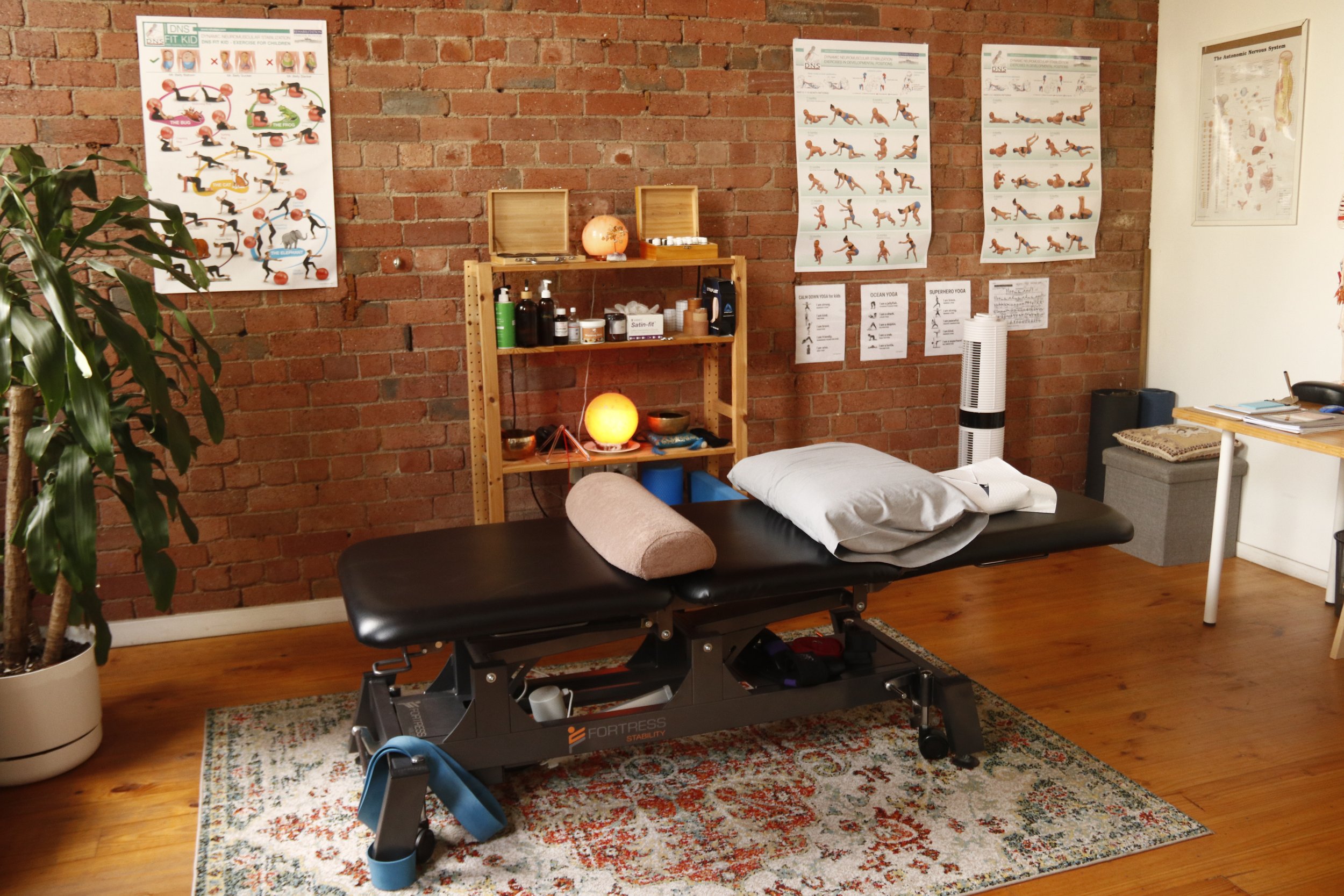
The focus during pregnancy and after birth tends to fall almost entirely on the baby. Your physical wellbeing is just as important and investing in it now pays dividends for years. Our Collingwood team is here to help you move through this period as comfortably as possible and come out the other side feeling strong.
Book your pre or post partum physiotherapy assessment today.
188–190 Johnston Street, Collingwood, Melbourne
0468 496 596