
Sciatica Treatment Collingwood

Sciatica refers to pain that follows the path of the sciatic nerve, running from the lower back through the buttock and down the back of the leg, sometimes as far as the foot.
At Lionheart in Collingwood, we get a lot of people through the door with sciatica who've either been told to rest and wait, or who've had imaging that showed a disc problem and aren't sure what to do next.
The good news is that most sciatica responds well to physiotherapy. The key is working out what's actually driving the nerve irritation because the treatment for a disc herniation looks quite different from the treatment for piriformis syndrome or spinal stenosis.
Common Causes of Sciatica We Treat
-
The discs between the vertebrae of the lower spine act as shock absorbers. When the inner gel-like material pushes through the outer wall, it can press on or irritate the adjacent nerve roots. This is one of the most common causes of sciatica, particularly in people aged 30 to 50. The leg pain is often worse than the back pain, and can flare significantly with sitting, sneezing, or bending forward. Most lumbar disc herniations settle well with physiotherapy, though the timeline varies.
-
Stenosis refers to a narrowing of the spinal canal, which can compress the nerve roots as they exit the spine. It's more common in people over 50 and tends to produce a specific pattern: leg pain and heaviness that comes on with walking or standing and is relieved by sitting or leaning forward. People with stenosis often describe needing to stop and rest when walking. Physiotherapy and movement modification can significantly improve symptoms.
-
The piriformis is a deep posterior hip muscle that sits directly over the sciatic nerve. When this muscle becomes tight, overloaded, or goes into spasm, it can irritate the sciatic nerve and produce symptoms that closely mimic disc-related sciatica without any spinal involvement at all. The distinction matters, because treatment for piriformis syndrome is very different from disc management.
-
Spondylolisthesis occurs when one vertebra slips slightly forward on the one below it, which can narrow the space available for the nerve roots. It's most common at the L4/L5 level and can range from causing no symptoms at all to producing persistent leg pain and back stiffness. Many people manage well with physiotherapy and don't require surgery.
-
As the discs in the lumbar spine lose height and hydration over time, the foramina (the openings where nerves exit the spine) can narrow. This can irritate the nerve roots and produce leg symptoms that come and go with activity. It's common from the mid-40s onwards and responds well to targeted exercise, load management, and manual therapy.
-
The sacroiliac joints, where the pelvis meets the base of the spine, can refer pain into the buttock and upper leg in a pattern that's sometimes mistaken for sciatica. True sciatic symptoms (pain below the knee, neurological symptoms in the foot) are less common with SIJ dysfunction, but the two can coexist. Physiotherapy that addresses pelvic mechanics is the usual treatment.
When Should You Seek Treatment?
Sciatica worth getting properly assessed include:
Pain that radiates from the lower back or buttock into one leg
A burning, sharp, or electric quality to the leg pain
Numbness or tingling in the leg, calf, or foot
Weakness in the leg, foot, or toes
Symptoms that are worse with sitting, sneezing, or coughing
Leg pain or heaviness that comes on with walking and forces you to stop
Back and leg symptoms that haven't improved after two to three weeks
If you experience sudden severe weakness in both legs, loss of bladder or bowel control, or numbness in the inner thighs and groin, seek emergency care immediately. These are rare but serious warning signs that require urgent medical attention.
How We Treat Sciatica
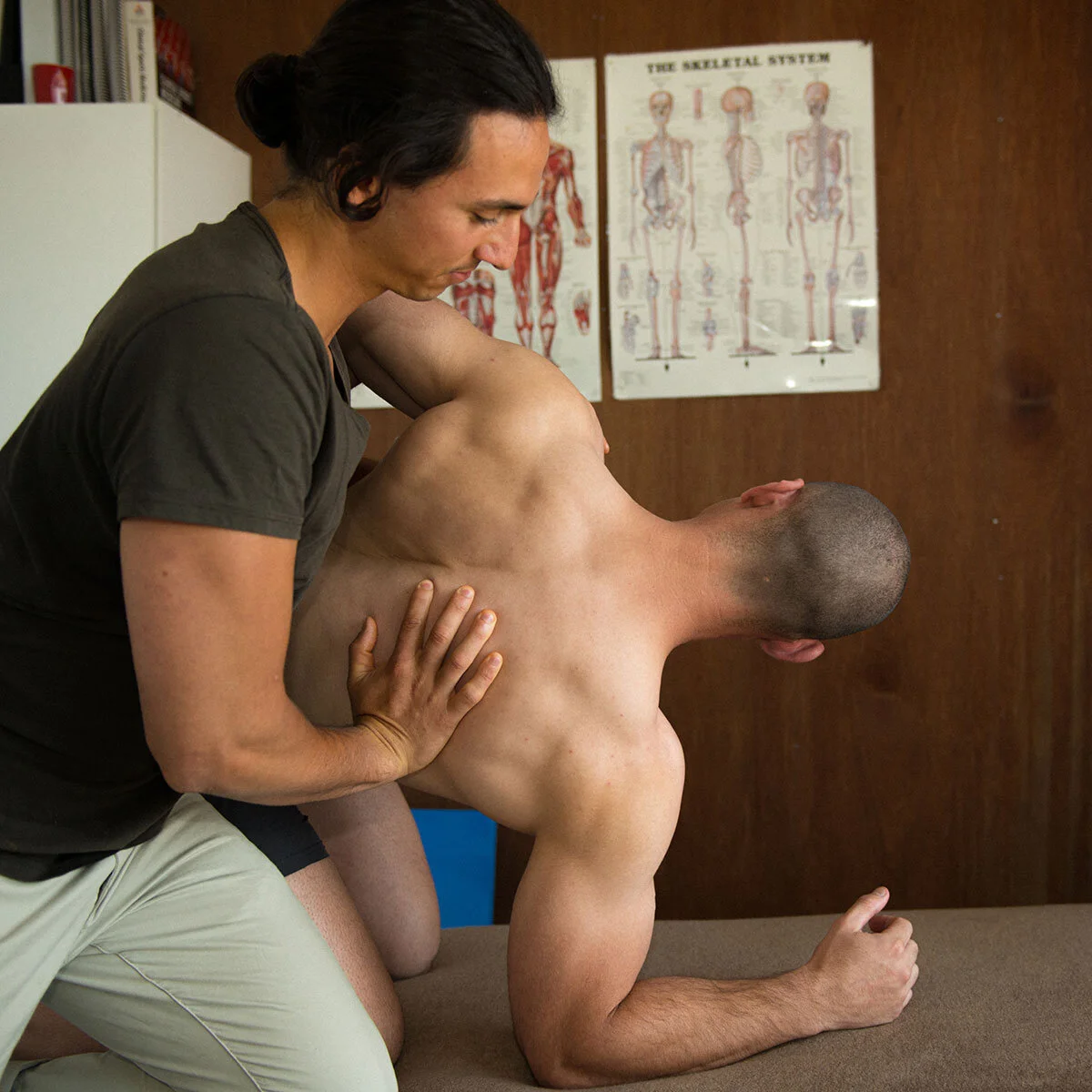
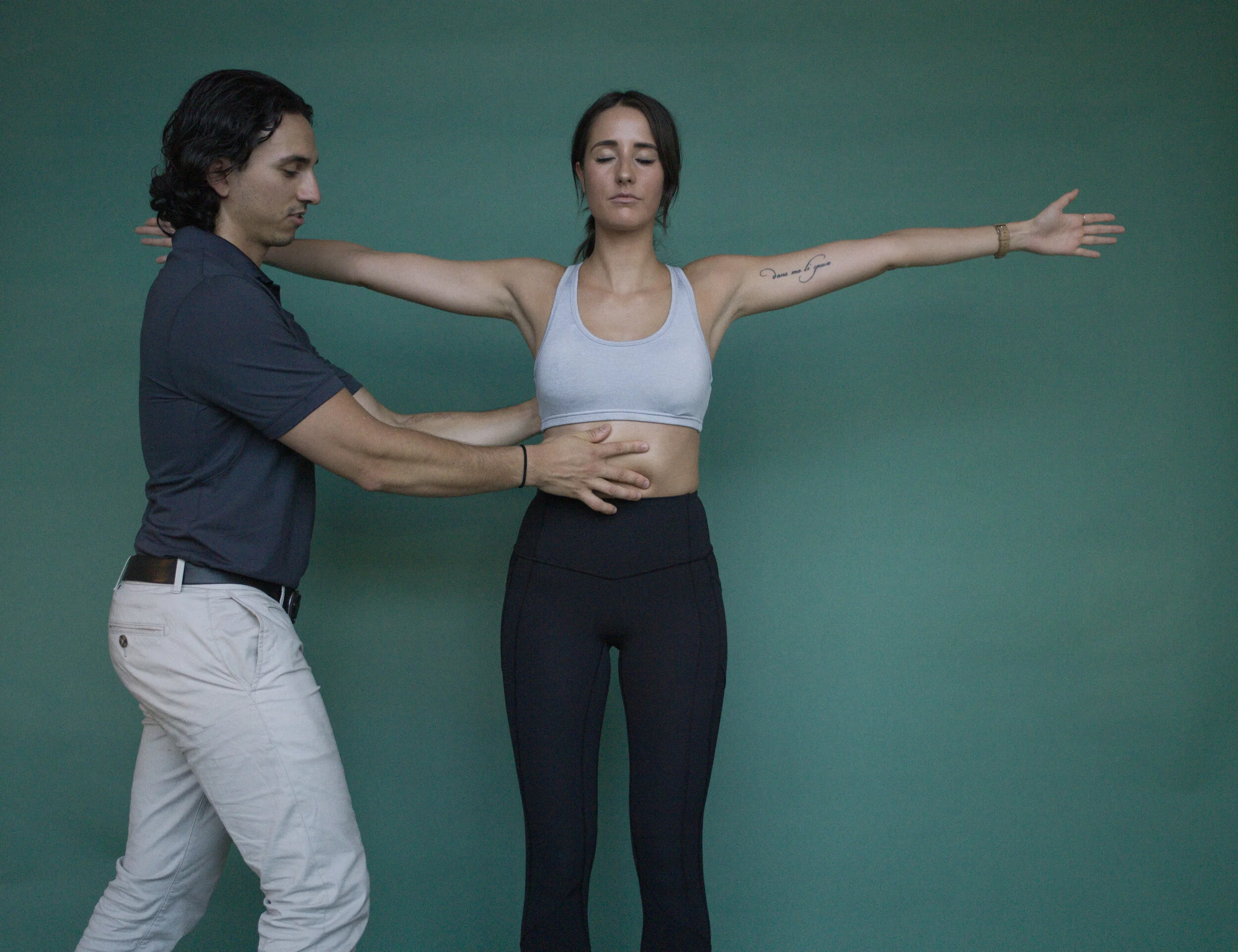
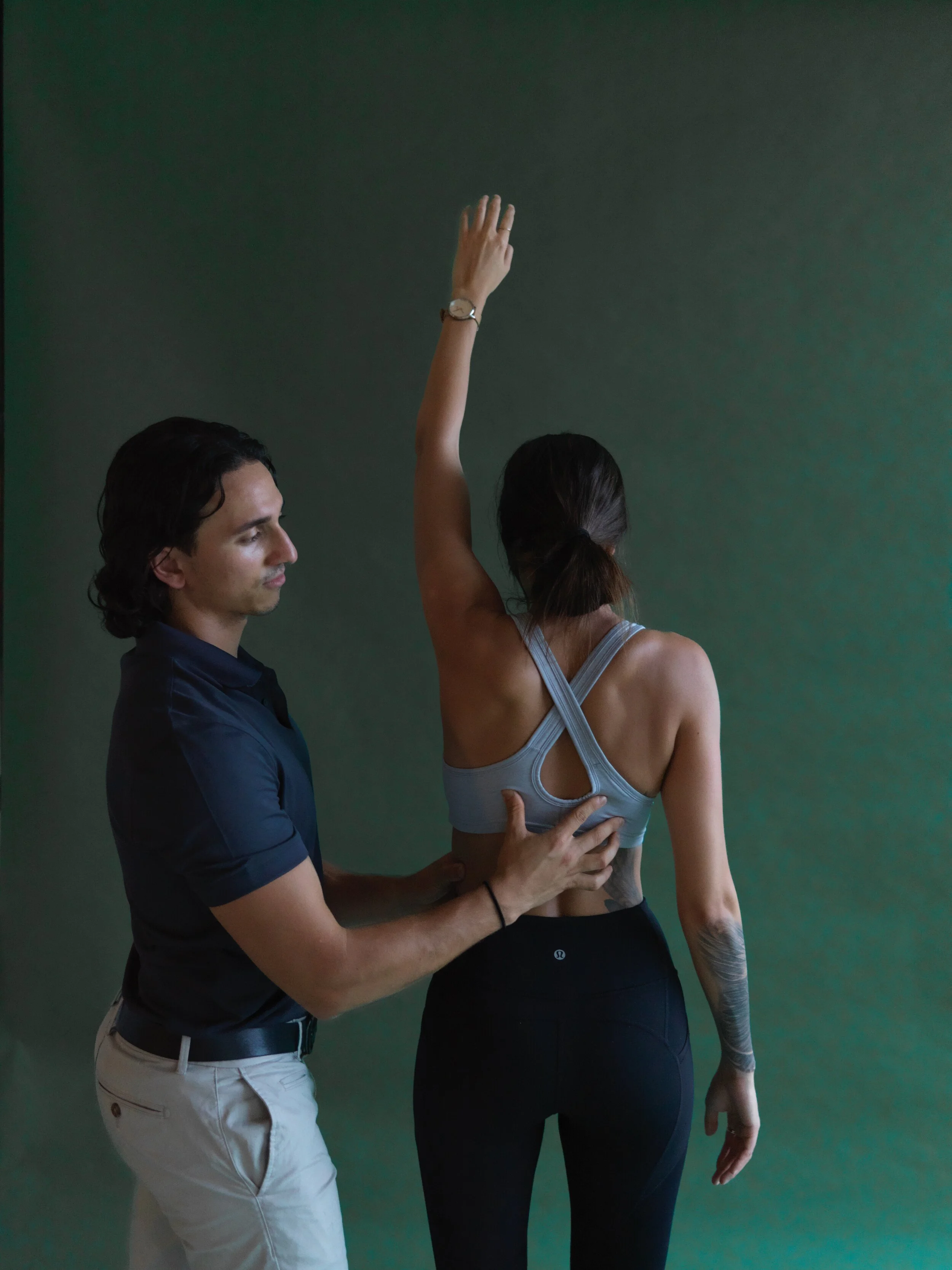
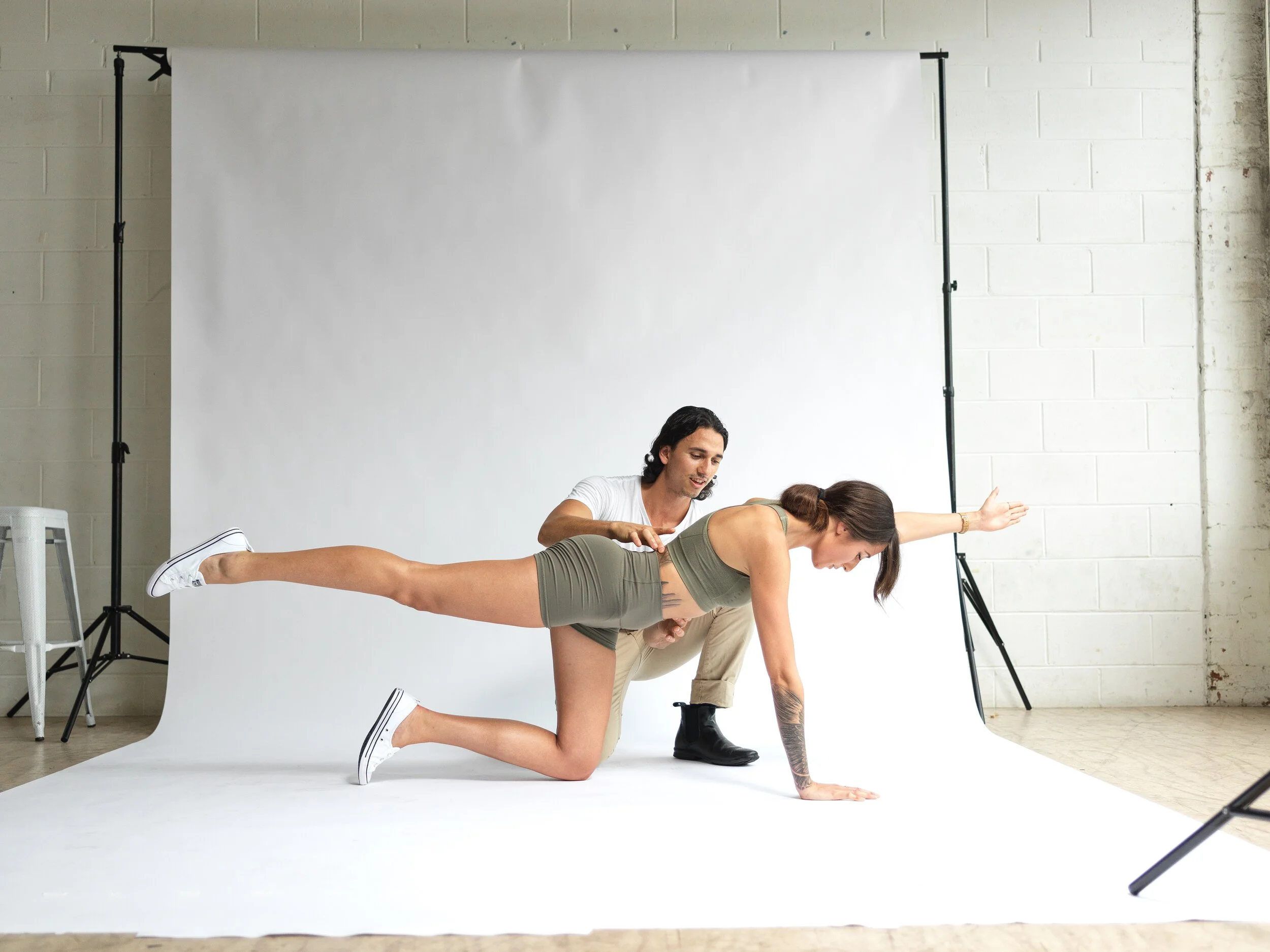
A thorough assessment is the starting point. Jesse will take a detailed history, test nerve function, assess lumbar and pelvic movement, and identify which structures are driving your symptoms. This matters because sciatica from a disc herniation, piriformis syndrome, and spinal stenosis each need a different approach. Treatment might include manual therapy, nerve mobilisation techniques, dry needling, specific exercise prescription, and education about how to load and position your spine during daily activities. Most people start to feel a difference within a few sessions.
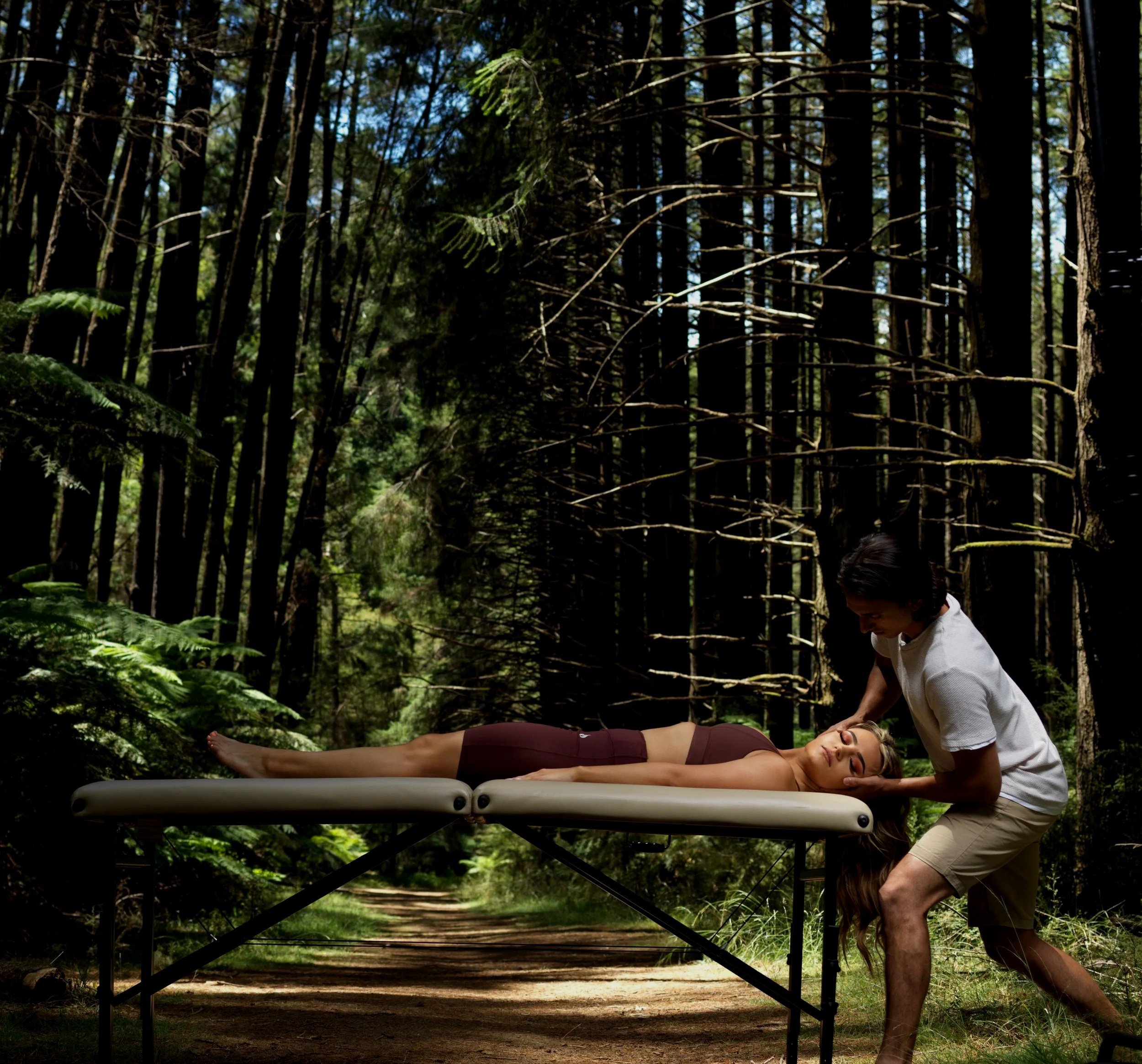
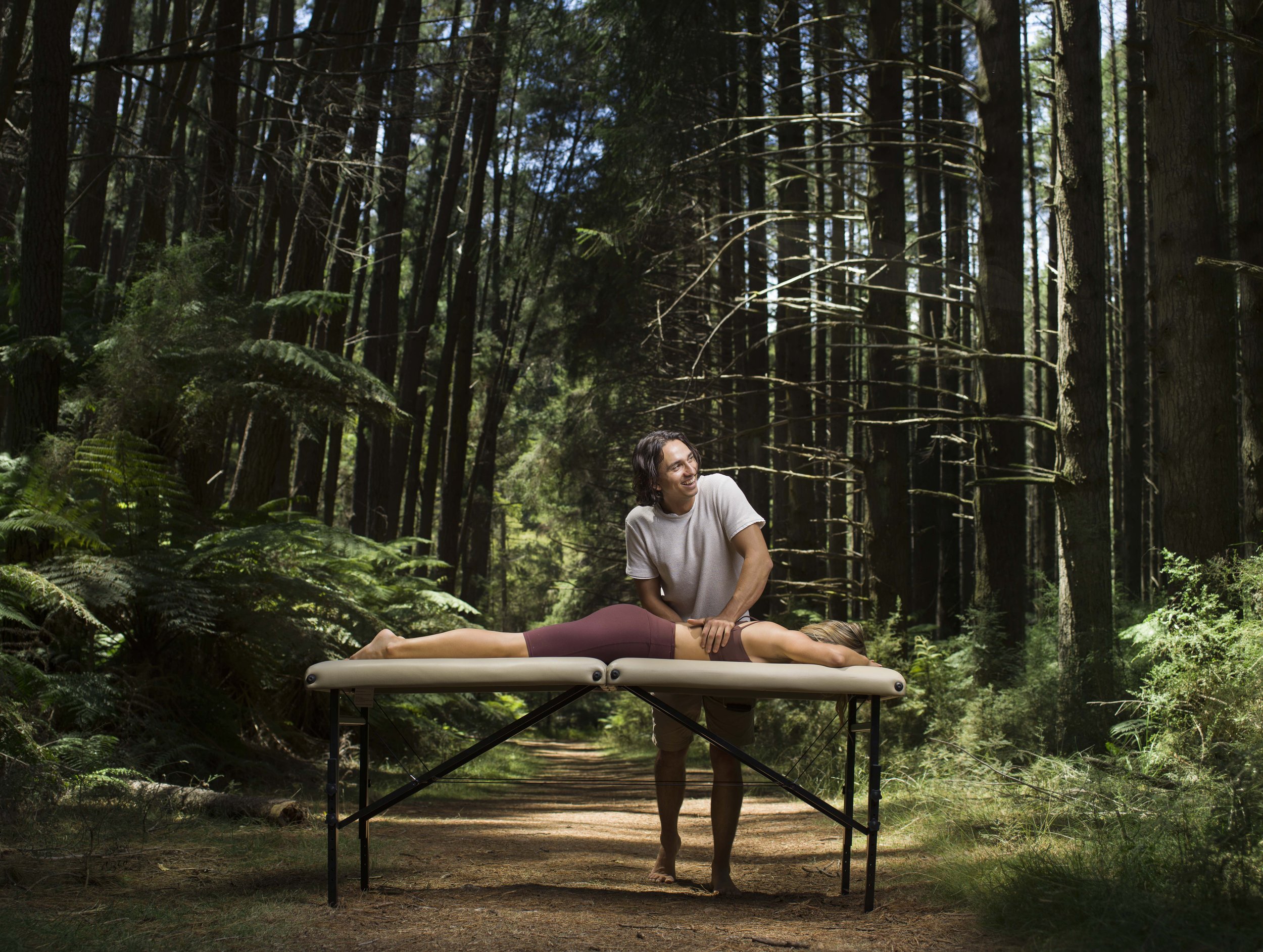
The deep gluteal muscles, piriformis, hip flexors, and lumbar paraspinals frequently become tight and guarded in people with sciatica. This muscular tension can compress the sciatic nerve directly and also alter how the lower back moves and loads. Targeted remedial massage works on releasing these layers, which can provide meaningful relief and make the rehabilitation exercises more effective. Read more about our Massage therapy services.

For people with recurrent sciatica or nerve pain that keeps returning, DNS addresses a common underlying factor: the deep stabilising muscles of the trunk aren't activating in the right sequence, which increases load on the lumbar discs and nerve roots. DNS works with developmental movement patterns to retrain this from the ground up, rather than just targeting the symptomatic area.
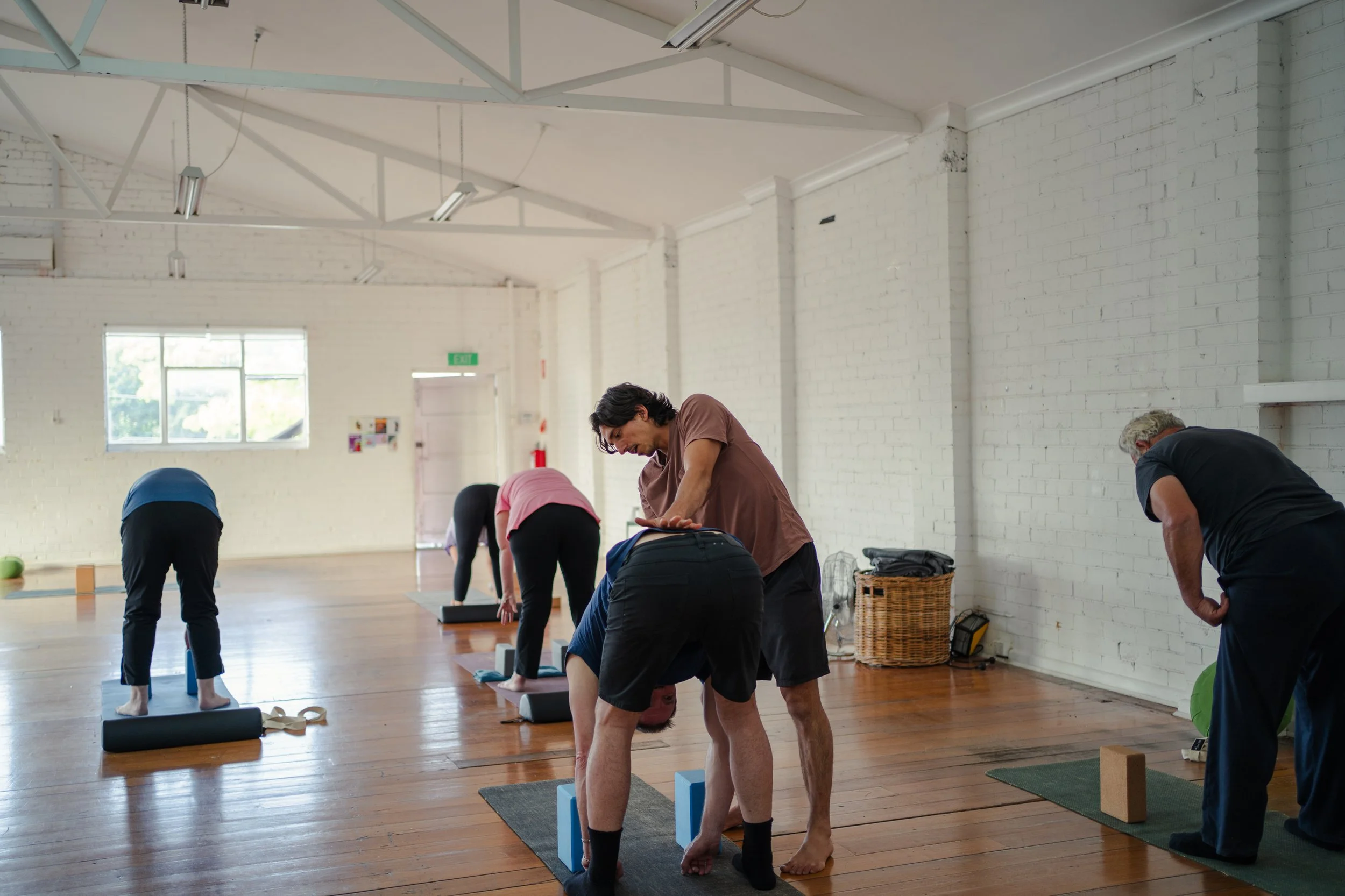
Once acute nerve irritation has settled, movement therapy helps rebuild the strength, control and confidence needed for longer-term recovery. Sessions are tailored to improve spinal support, hip function, posture and load tolerance, helping people with sciatica return to daily activity, training and movement with more resilience and less fear of flare-up.

Certain yoga postures are genuinely useful for sciatica recovery they help restore lumbar and hip mobility, reduce muscle tension, and build the core control that protects the discs and nerve roots under load. Molly works with people managing sciatica to find movements that help rather than provoke, and to build a sustainable movement practice that supports long-term recovery.
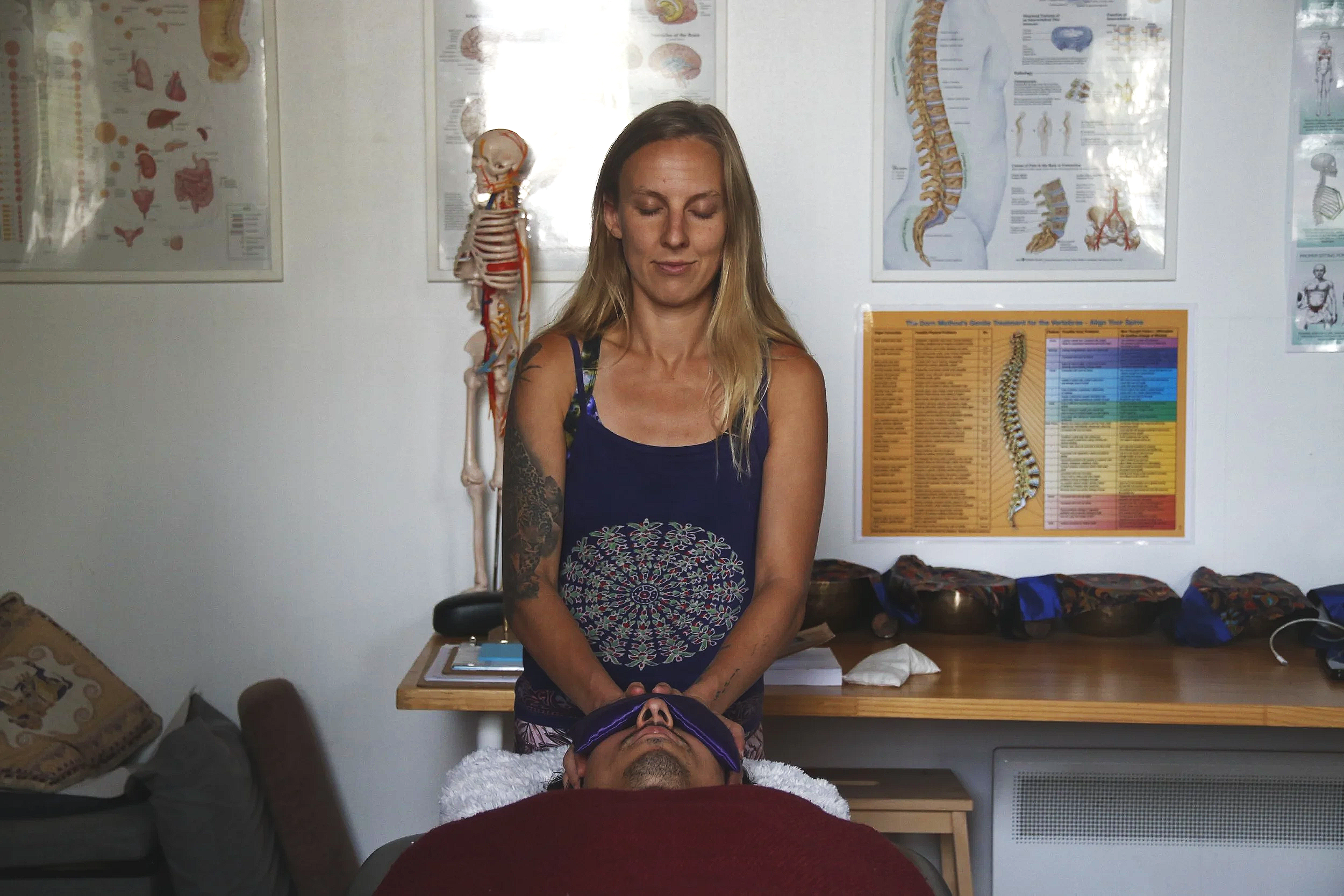
Sciatica is not only physically painful but also exhausting to the nervous system. Reiki offers a gentle complementary approach that can help settle the system, reduce internal stress and support a greater sense of calm and ease in the body alongside the more physical aspects of treatment.
What to Expect at Your First Appointment
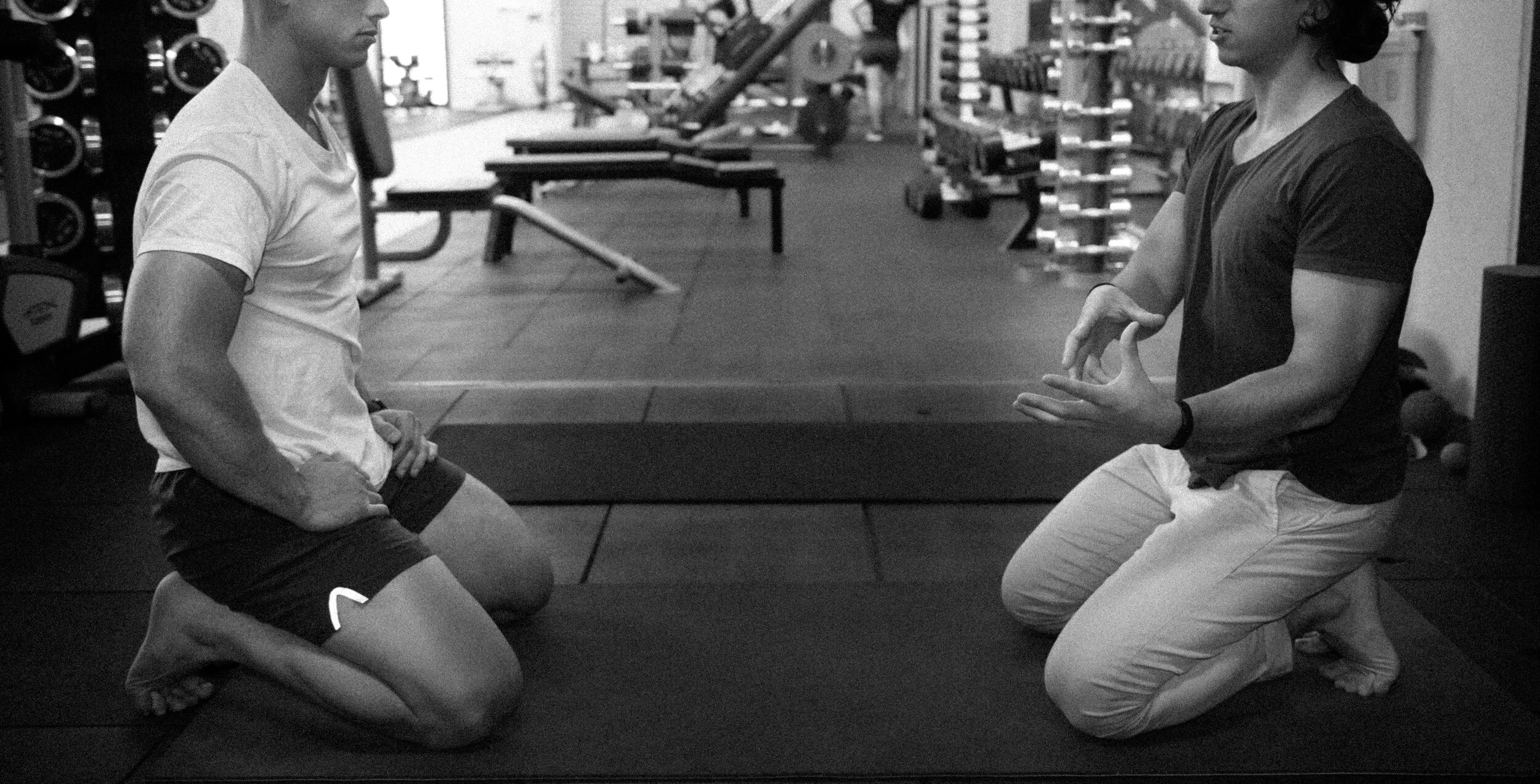
The first session is about working out the root causes. Our physiotherapists will take a careful history followed by a physical assessment looking at lumbar movement, nerve tension tests, reflexes, and lower limb strength.
Next, you'll get a working diagnosis and a clear explanation of what's driving your symptoms. Most people also get started on treatment in the first session whether that's manual therapy, advice on positions to use and avoid, or early exercises to reduce nerve sensitivity.
For straightforward sciatica, meaningful improvement typically comes within four to six weeks. Complex or long-standing cases can take longer, but the trend of improvement is usually clear early on. If there are signs that imaging or specialist referral is needed, your physiotherapist will organise that promptly.
Frequently Asked Questions
-
Most episodes of sciatica from a disc herniation improve significantly within six to twelve weeks with physiotherapy. Spinal stenosis tends to take longer to manage and is more about finding a sustainable level of function than a full cure. Piriformis syndrome typically responds faster. The earlier you start appropriate treatment, the better.
-
Generally, gentle movement is better than bed rest. Prolonged rest can actually slow recovery by allowing the muscles supporting the spine to weaken and increasing nerve sensitivity. That said, some activities will aggravate your symptoms more than others, and your physio will help you identify what to modify and what to keep doing.
-
Not for an initial assessment. The physio can form a clear working diagnosis clinically. If imaging is needed to confirm a diagnosis or rule out something that requires medical management, you'll be referred at the right time. Many people come in with an MRI already showing a disc herniation having a physio interpret that in the context of your symptoms and movement is more useful than the scan alone.
-
Physiotherapy doesn't physically move the disc material back. What it does is reduce nerve irritation, improve how the spine moves and loads, and allow the body's natural healing processes to do their job. Most disc herniations reabsorb over time. The role of physiotherapy is to keep you functional and progressively more active during that process.
-
Remedial and therapeutic massage can be highly effective. For disc-related sciatica, working on the surrounding muscles reduces tension and improves comfort, though it's best used alongside physiotherapy rather than as a standalone treatment.
-
No. Book directly online or call 0468 496 596.
Get Your Leg Pain Sorted
Sciatica can be a frustrating condition it tends to come and go, is easily provoked, and can make even simple daily activities feel unreliable. With the right assessment and treatment, most people recover well.
Book your sciatica assessment today.
188–190 Johnston Street, Collingwood, Melbourne
0468 496 596