

Repetitive Strain Injury (RSI)
Repetitive stress injuries build up gradually from doing the same task repeatedly, whether that is typing, using a mouse, working on a trade tool, or repeating a movement in training. The tissue is not given enough recovery to keep up with the load, and metabolic waste builds up which leads to tissue damage, pain and irritation,
At Lionheart in Collingwood, we see a lot of people whose RSI has crept up slowly, been ignored while it was manageable, and then reached the point where it affects work and everyday tasks.
The good news is that RSI responds well when you address the actual drivers: the overload, improper technique, inadequate recovery, and the way the body shares loads. Rest alone rarely fixes it, because the moment you return to the same cycle of movements the problem returns.
Common Repetitive Strain Injuries We Treat
-
-
Learn more.
-
Learn more.
-
Learn more.
-
Learn more.
-
Signs You Should Seek Support
RSI is worth assessing when:
Pain comes on or worsens with a specific repetitive task
Aching, burning or fatigue builds through the work day
Symptoms have started to appear earlier in the day or last longer
Grip is weakening or tasks are becoming harder
Pins and needles or numbness appear in the hand or fingers
The pain keeps returning each time you go back to the activity
If you develop persistent numbness, significant weakness, or symptoms that wake you at night, get assessed sooner, as nerve involvement may need specific management.
An Integrative Approach to RSI

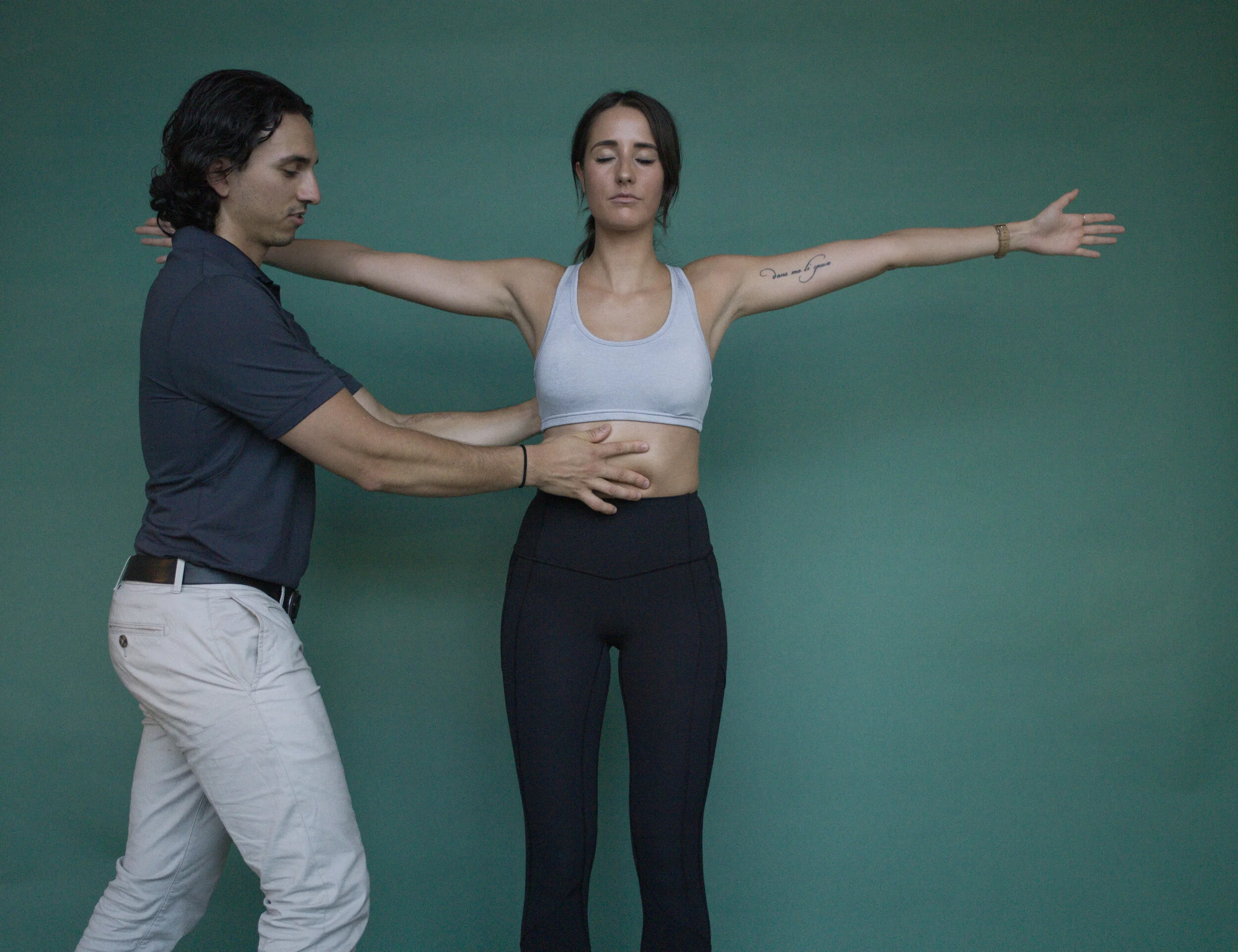
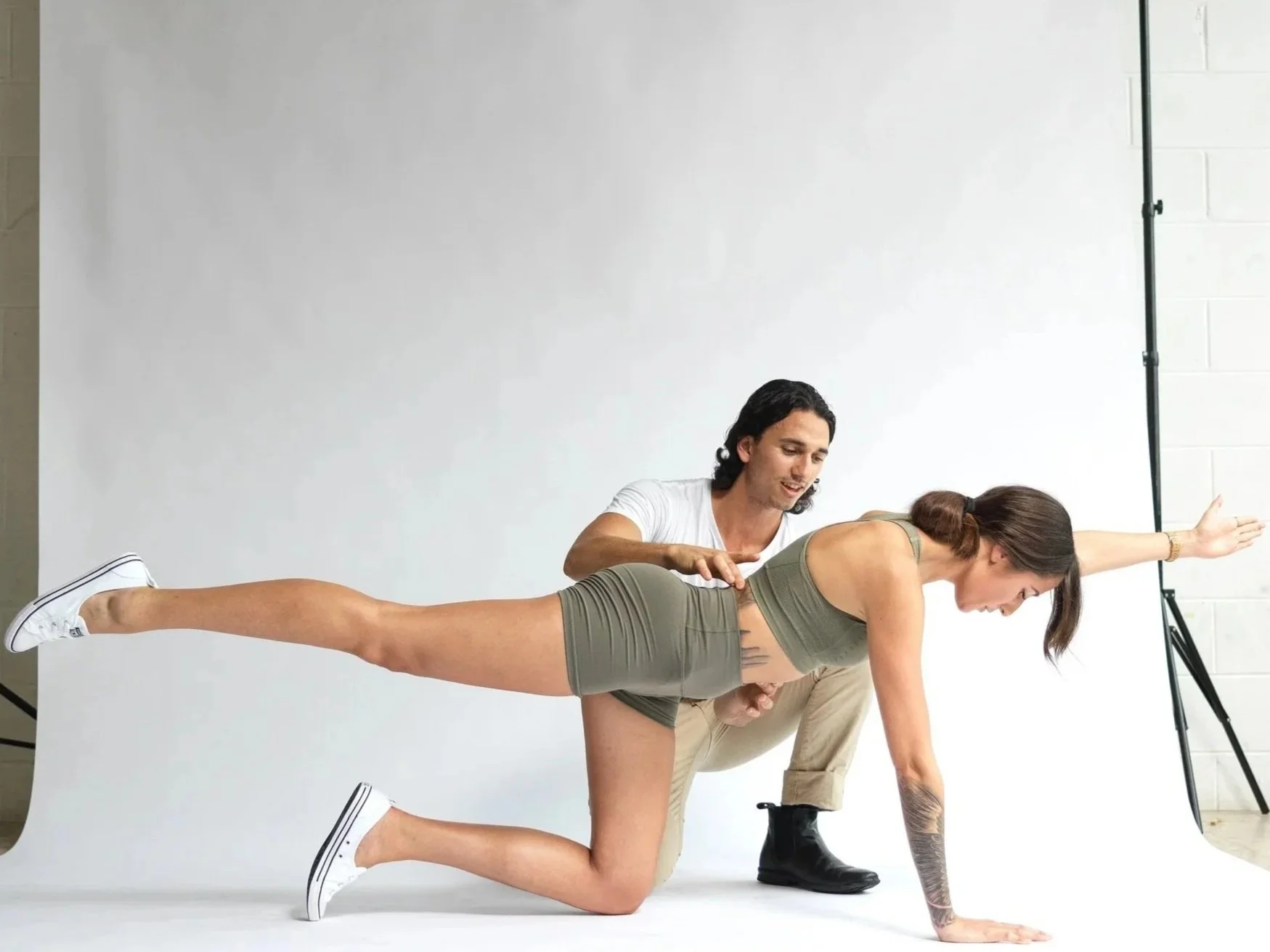
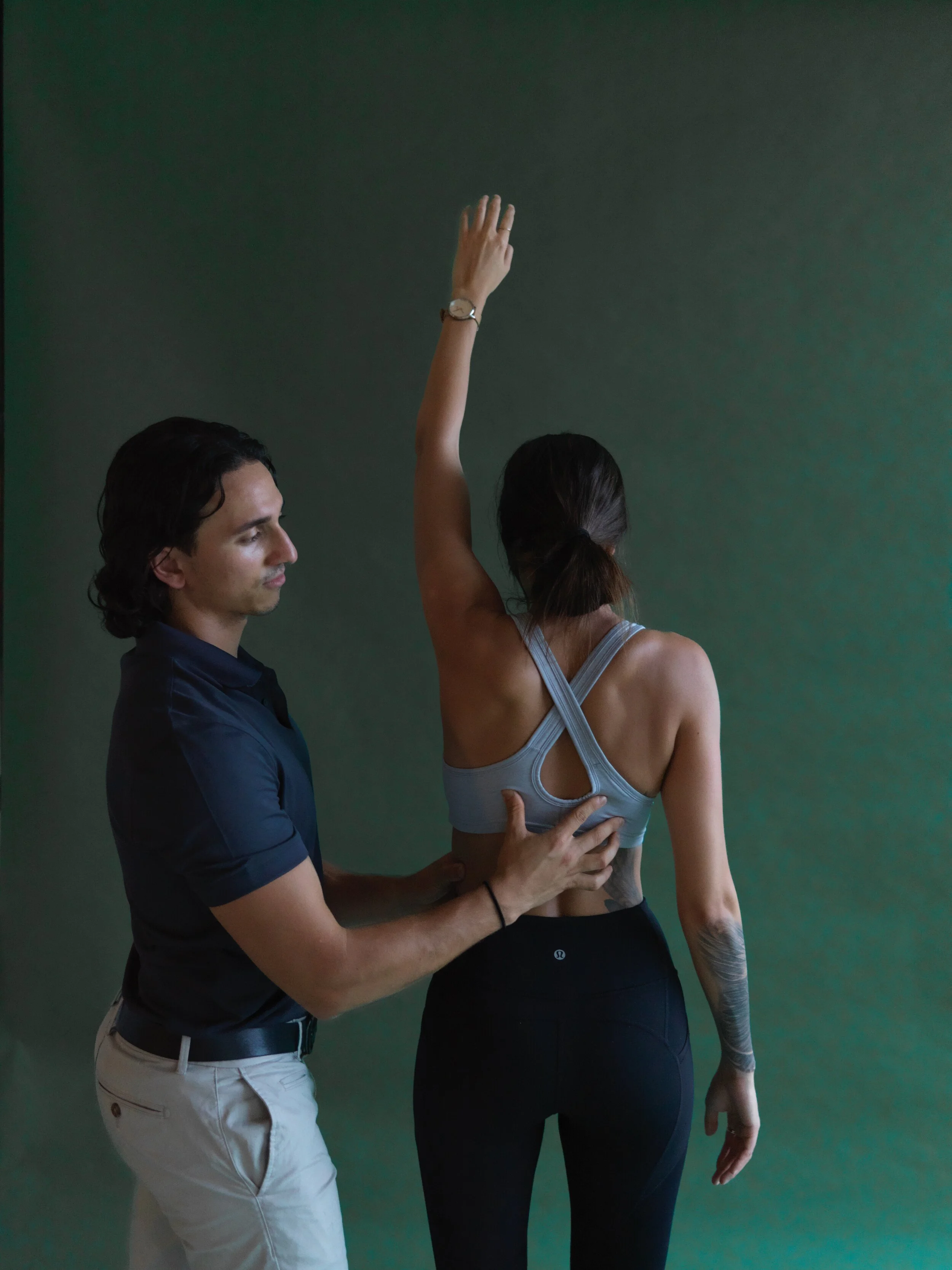
Jesse will assess the painful area, the whole limb, your posture, and importantly your setup and technique, because these are usually where the problem lives. Treatment can include manual therapy, soft tissue work, dry needling, and a carefully prescribed exercise program to rebuild the tissue’s tolerance. Just as important is the practical side: workstation setup, task modification and pacing so you can keep working while you recover.
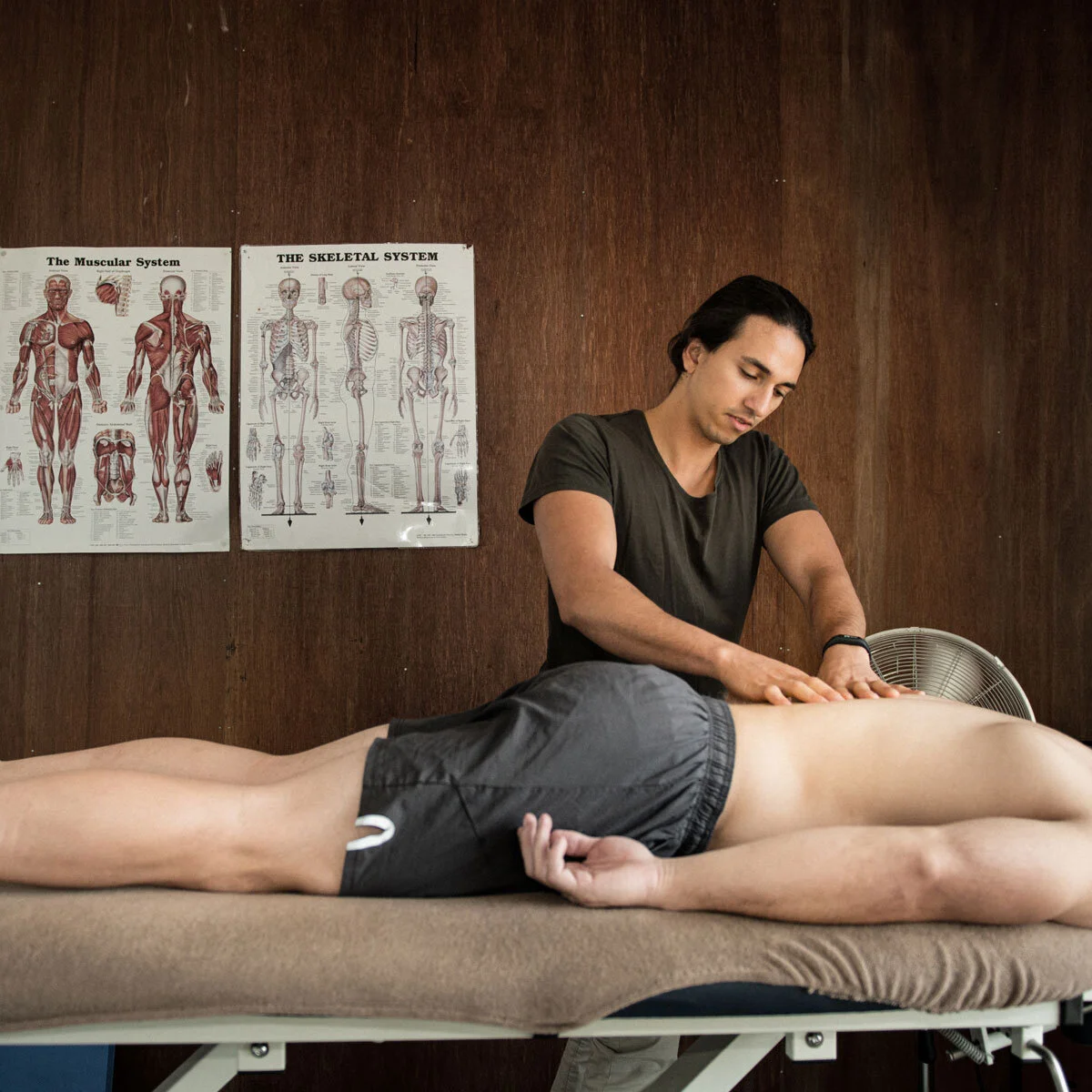
Overused muscles develop a build up of metabolic waste and become hypoxic leading to tissue tightness and tenderness. Targeted remedial massage releases this tension, improves circulation to the area, and makes the rehabilitation work more comfortable and effective.
RSI in the arm and hand is often made worse by poor support through the shoulder, upper back and neck. When these areas are not stabilising correctly, the smaller muscles of the forearm and hand overwork. DNS and postural work address this bigger picture so the load is shared better and muscle coactivation patterns are normalised.
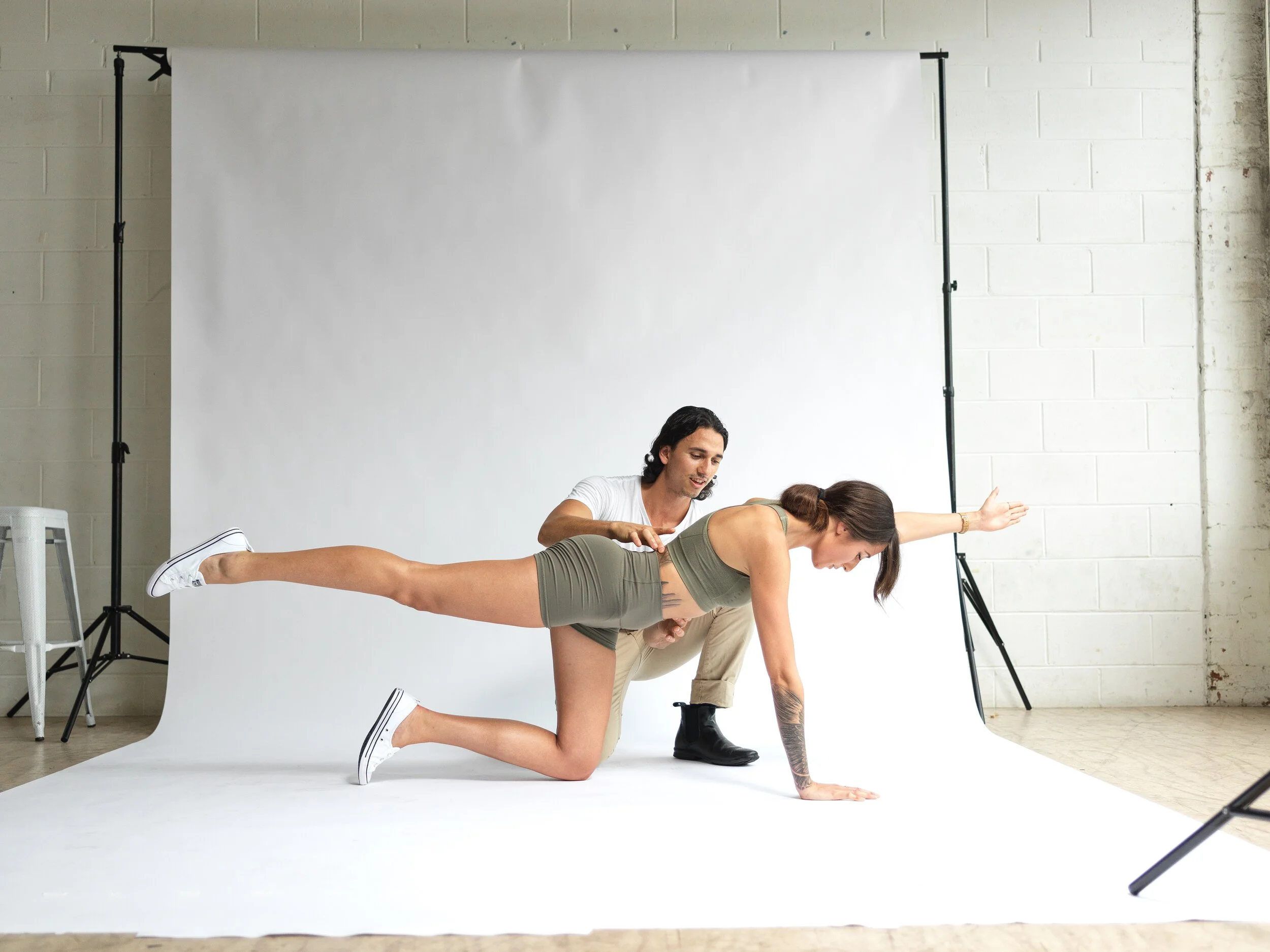
Rebuilding strength, control and load tolerance is what stops RSI returning in the long term. Movement therapy is tailored to progressively restore the capacity of the affected area and the whole kinetic chain, so you can return to full activity with more resilience.

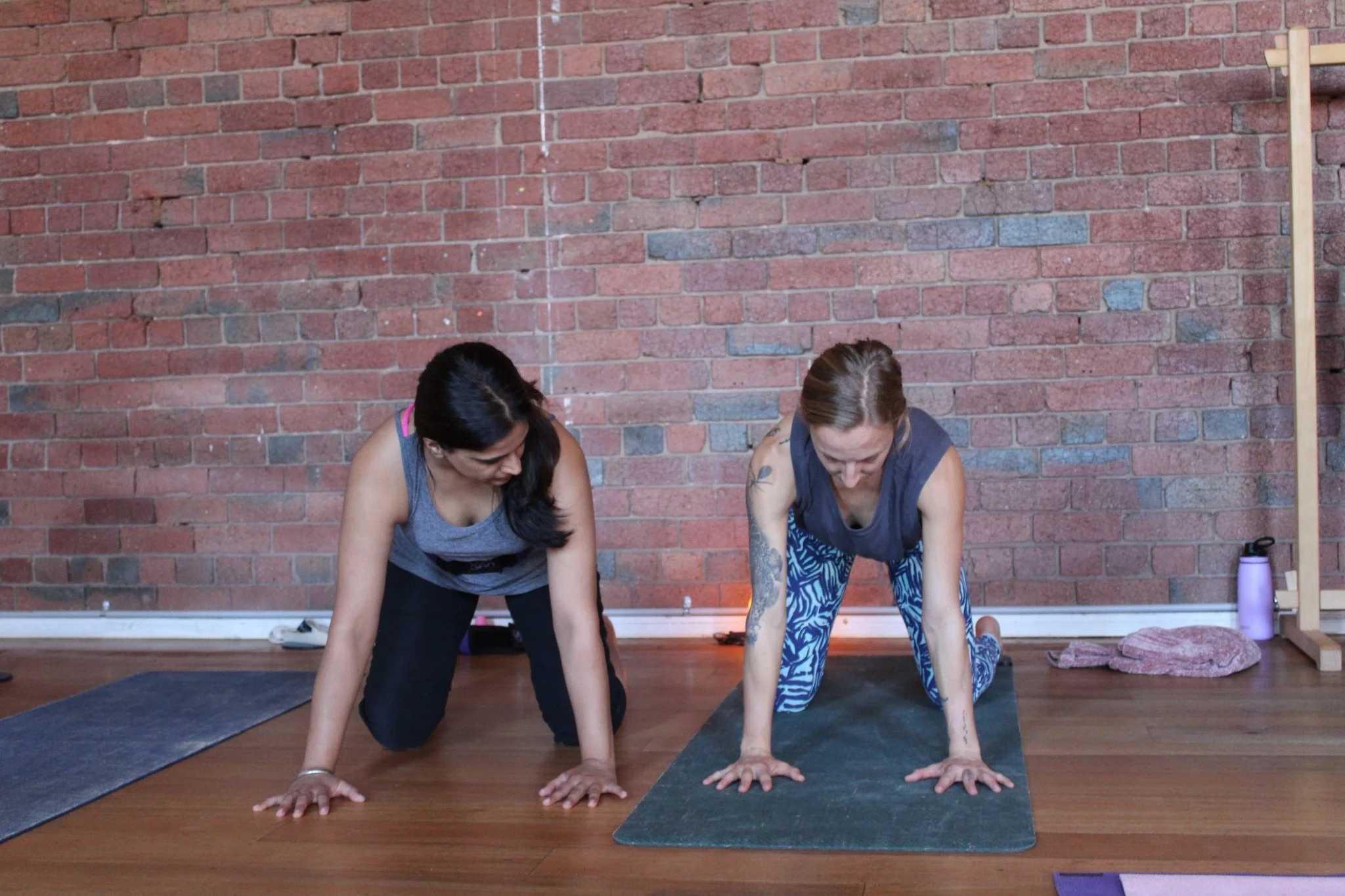
Developing a regular Yoga practice is an essential component of restoring the bodies natural harmonious state of equilibrium. Through learning to stretch and relax the body the overactive and overused tissues can be eased by consistent yoga practice. Our Yoga Therapist Divya offers tailored support that adapts to where you are at in your rehab journey. Through guided, mindful movement many people find consistent relief from RSI.
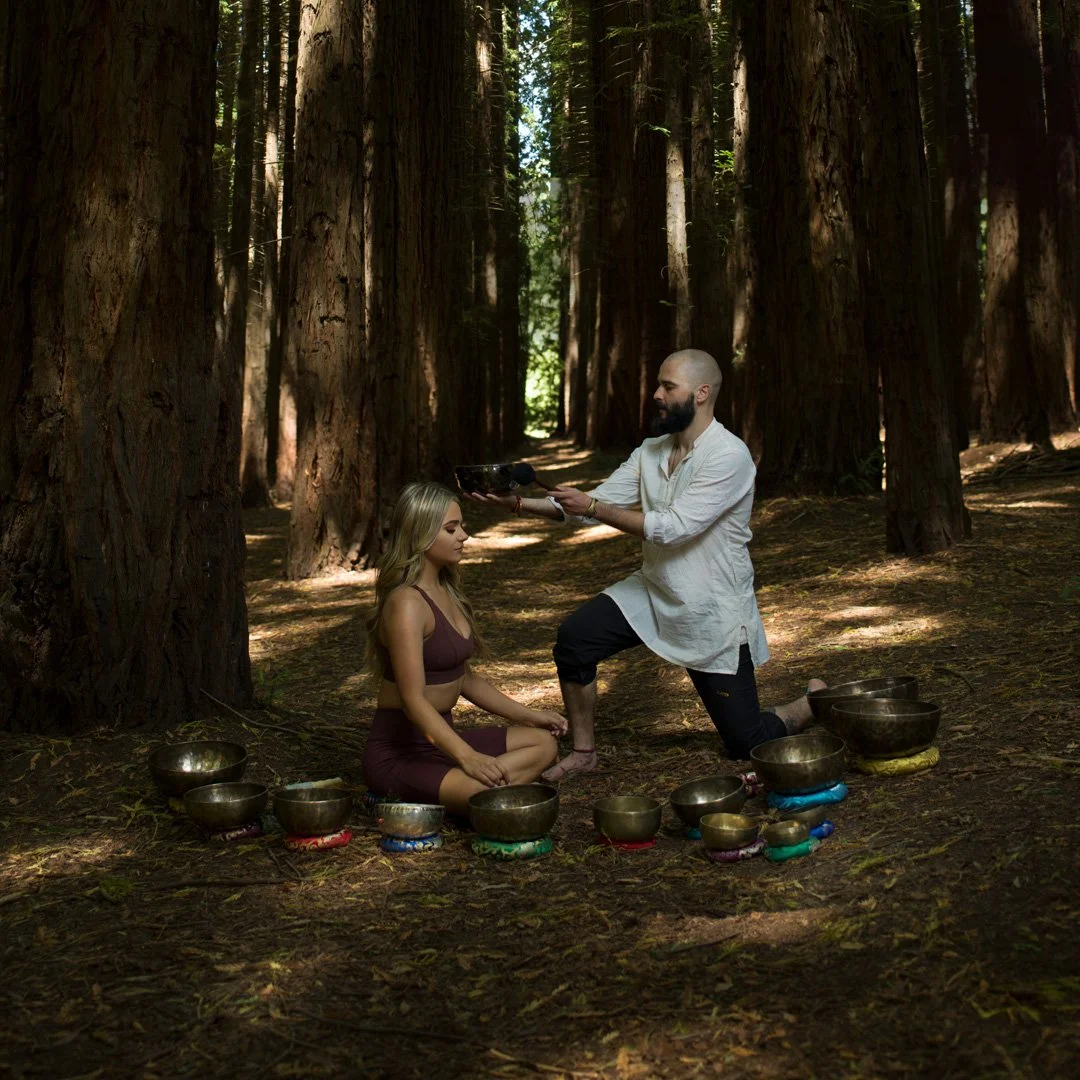
Recovering from chronic RSI pain can be physically demanding, emotionally intense and deeply taxing on the nervous system. Reiki offers a gentle complementary approach that can help settle the system, reduce internal stress and support a greater sense of calm, grounding and ease. Alongside the more physical aspects of treatment, Reiki can be a valuable way to restore internal balance and create space for deeper energetic rest during a rough patch.
What to Expect at Your First Appointment

The first session is to workout out what is driving your symptoms, looking at the painful tissue, the whole kinetic chain, posture, work setup. Your physiotherapist will take a detailed history of your health from a holistic perspective.
Next you will get a diagnosis and a tailored recovery plan, usually including immediate advice on how to modify your setup and tasks so you can keep going while the tissue recovers. Most people start treatment and exercise rehabilitation guidance in the first session.
RSI recovery time frames range from several weeks to a few months depending on how long it has been present and how much the aggravating task can be modified. The trend is generally clear early on.
Frequently Asked Questions
-
Rarely completely. Most RSI is managed by modifying the task, setup and load rather than stopping altogether. Full rest often makes the tissue less tolerant, so guided loading usually works better.
-
Because the underlying driver, usually the setup, technique or load management, has not been addressed. Treating the symptom without changing what caused it means it returns. We focus on the drivers, not just the sore spot.
-
Often, yes, many RSIs are tendinopathies where the tendon has been overloaded from lack of blood supply and a build up of metabolic waste in the intra and extra ceullar spaces. These respond well to exercise rather than rest, which is a key part of our approach.
-
Yes. Small changes to screen height, mouse position, chair and posture can meaningfully reduce the load driving your symptoms. We will guide you each step of the. wayto determine the optimal sitting and standing work postures to resolve the issue.
-
Most RSI is diagnosed clinically without imaging. If nerve involvement or another issue is suspected, your physiotherapist will arrange appropriate investigation.
-
No you can Book directly online or call the clinic on 0468 496 596.
Resolve Your RSI for Good
Repetitive strain injuries are frustrating because they interfere with work and daily tasks and tend to return. Addressing the real drivers gives you a durable recovery, not a temporary fix.
Book your RSI assessment today.
188–190 Johnston Street, Collingwood, Melbourne
0468 496 596