

Running Injury Rehabilitation

The human body is designed for running. Running is one of the most accessible and functional ways to stay active, but it also places repetitive loads through the body. When strength, alignment or technique is even slightly off, pain and injury can follow.
At Lionheart in Collingwood, we work with runners at every stage; from weekend runners and people preparing for their first event through to experienced athletes. Our focus is on identifying the root causes of pain, injury, and imbalance rather than simply settling symptoms that return as soon as the kms build again.
-
-
Description text goes here
-
Description text goes here
Most running injuries involve a combination of three things
Common Running Injuries We Treat
-
-
-
Learn more.
-
-
-

When should you seek treatment?
Running injuries are worth assessing when:
Pain comes on predictably at a certain distance or intensity
A niggle is gradually worsening or taking longer to settle after runs
You are having to cut runs short or reduce your mileage to cope
Pain warms up during a run but returns worse afterwards
The same problem keeps flaring each time you build your training back up
If you have sharp, localised pain that worsens with each foot strike, or pain that forces you to stop mid-run, get assessed promptly.
An integrative approach to running rehab

A senior physiotherapist will perform an integrative assessment looking at joint loading, alignment, joint centration, functional movement patterns, footwear, your current training program and how the injury developed. We also assess strength asymmetries, movement imbalances and the parts of your running technique that may be contributing to overload.
Treatment is designed to settle the symptomatic tissue while rebuilding its capacity through graded loading. Manual therapy, movement retraining and strength work may be combined with clear guidance on how to modify your running so you can keep some training going where appropriate.
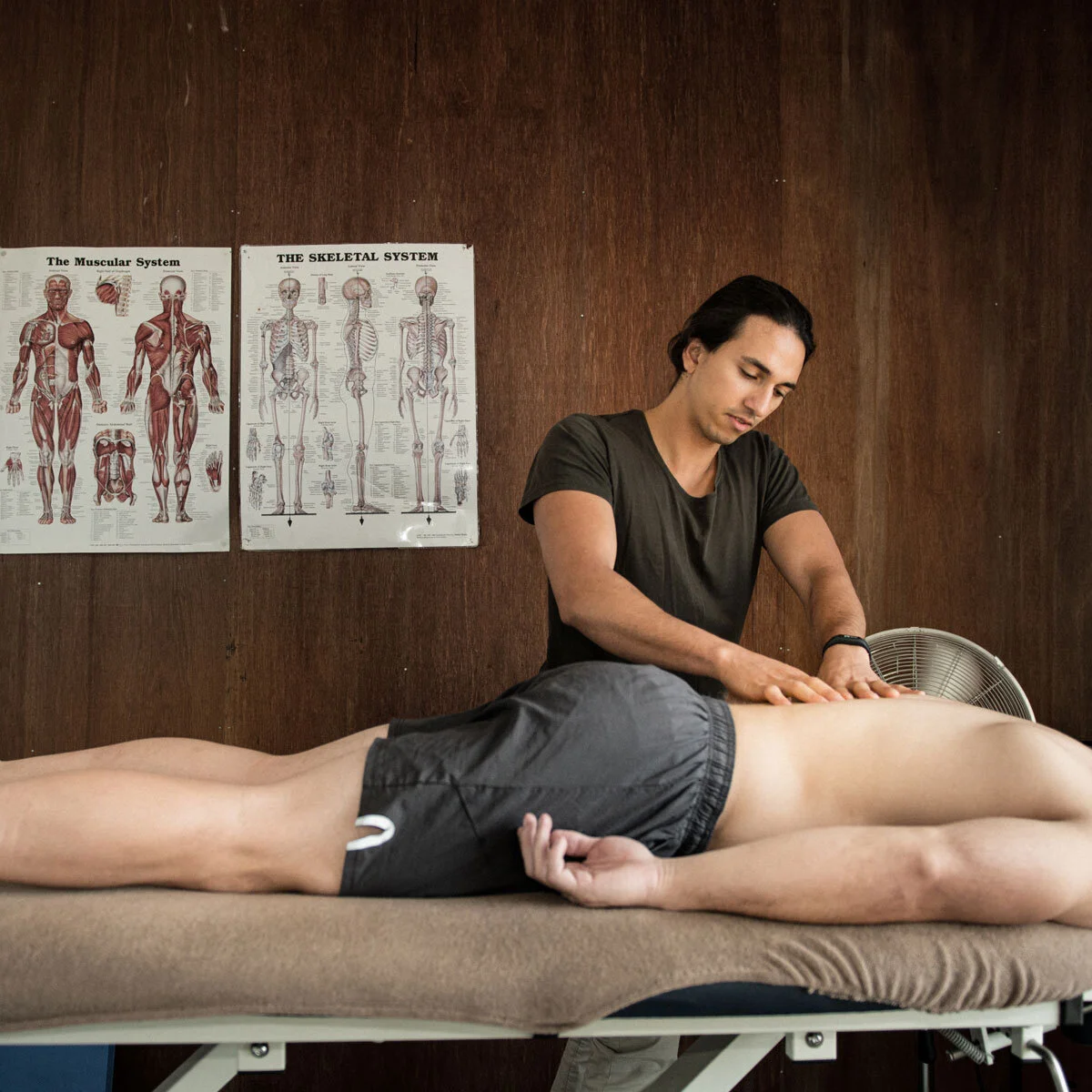
The calves, hips, glutes and quadriceps take significant repetitive load in runners and can become tight, fatigued and restricted. Remedial massage helps reduce muscular tension, improve tissue mobility and support recovery between training sessions.
Manual therapy can also support circulation, fascial mobility and overall tissue recovery alongside your loading and strength program. Our myofascial rolling and stretching classes offer runners another practical way to maintain mobility and recovery throughout training.
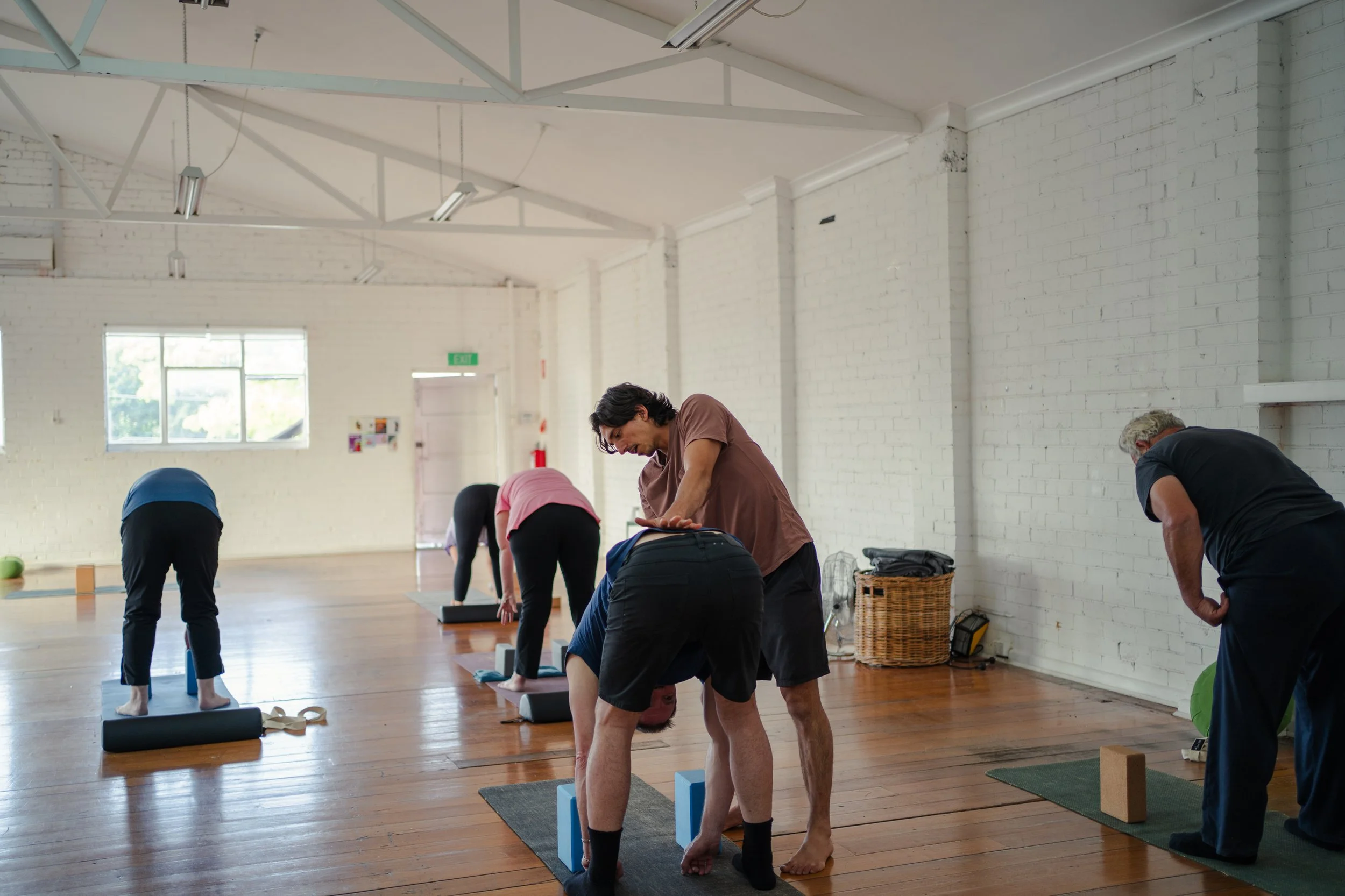
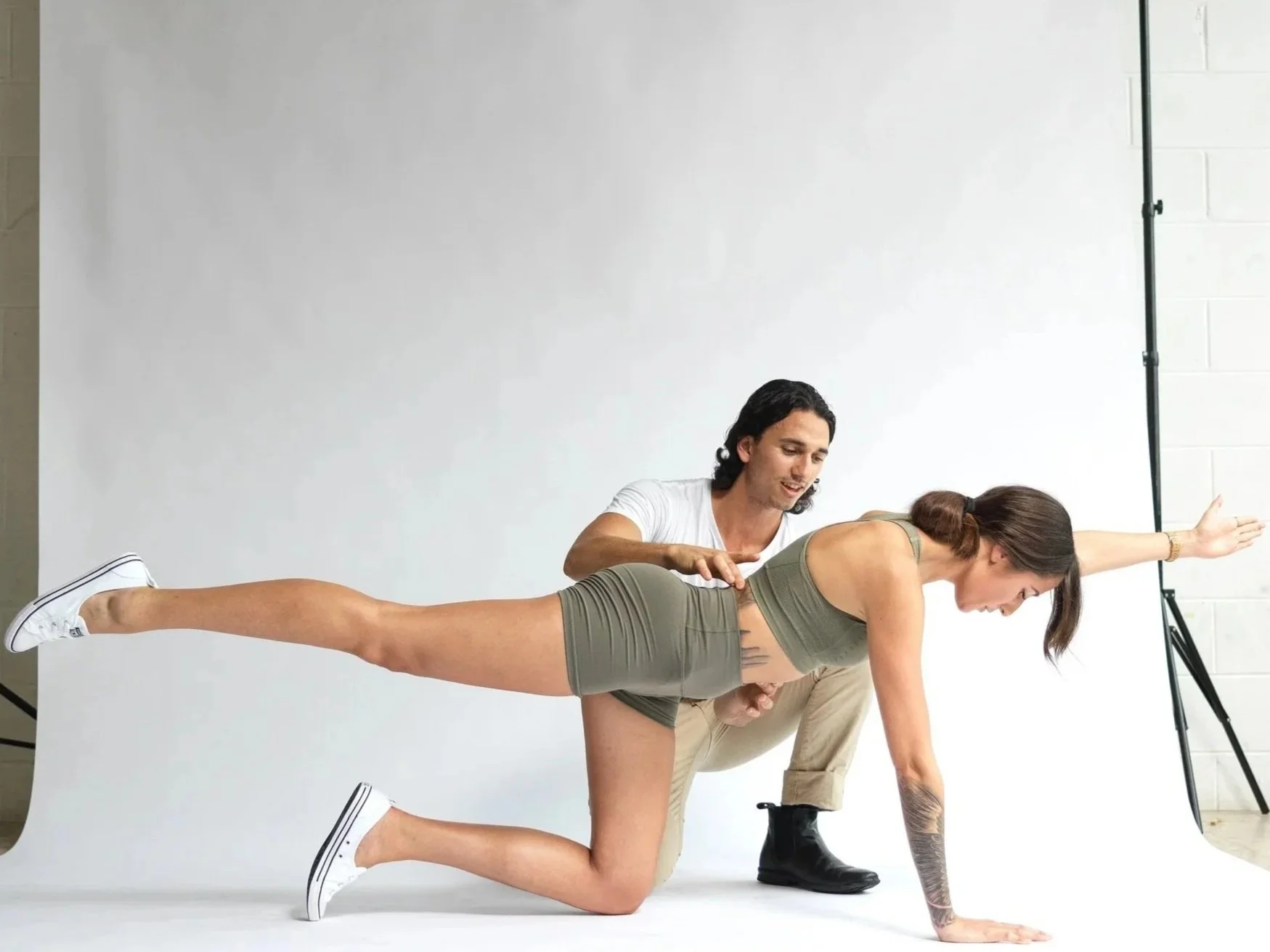
DNS is central to how we approach running. Efficient locomotion depends on coordinated stability through the trunk, pelvis and lower limbs so force can be transferred well through each stride. When this organisation is lacking, certain tissues can take more load than they are ready for.
DNS retrains these foundational patterns from the ground up, improving postural stability, joint centration and movement control. For runners with recurring injuries, this can be an important part of addressing the deeper movement patterns behind repeated overload.
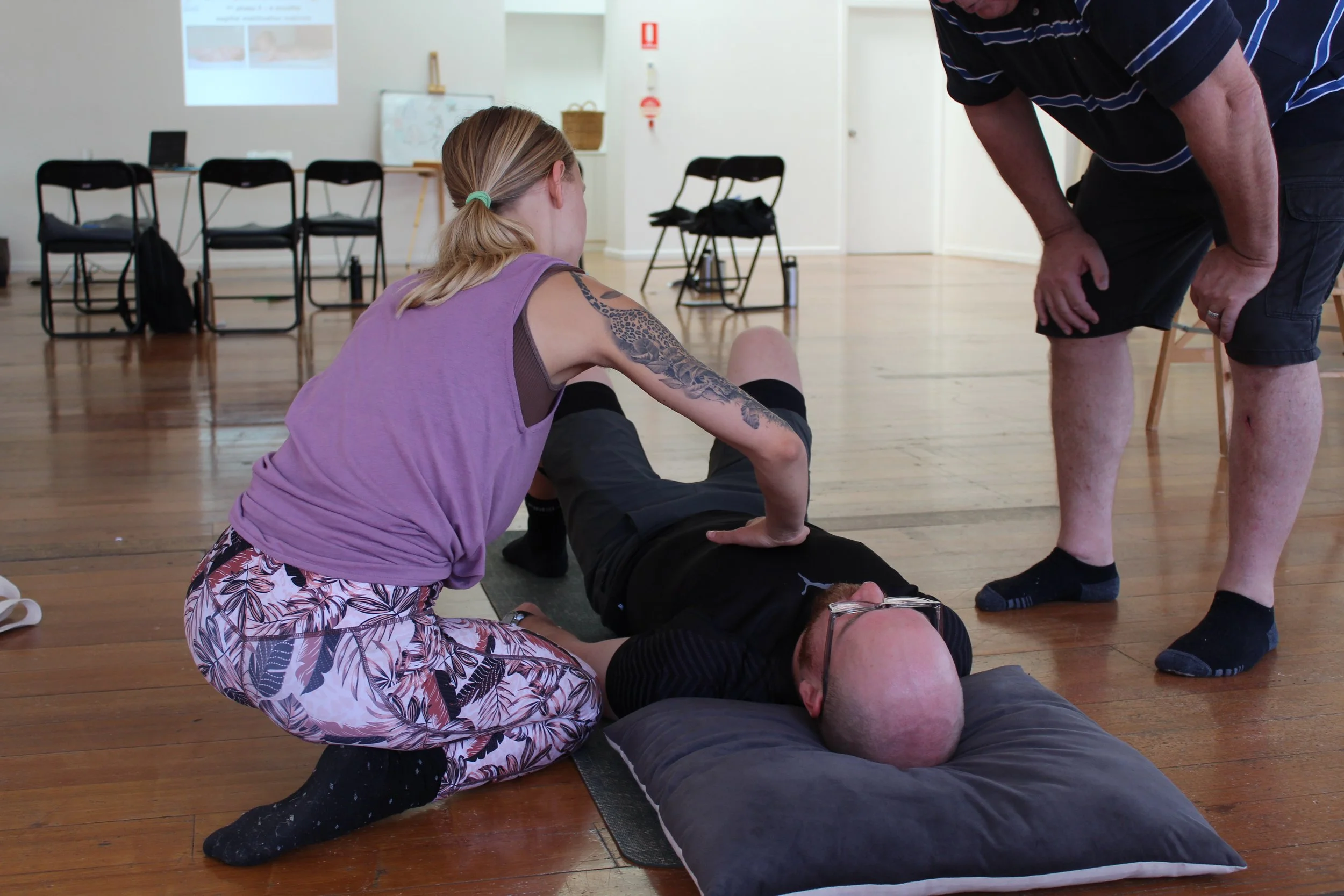
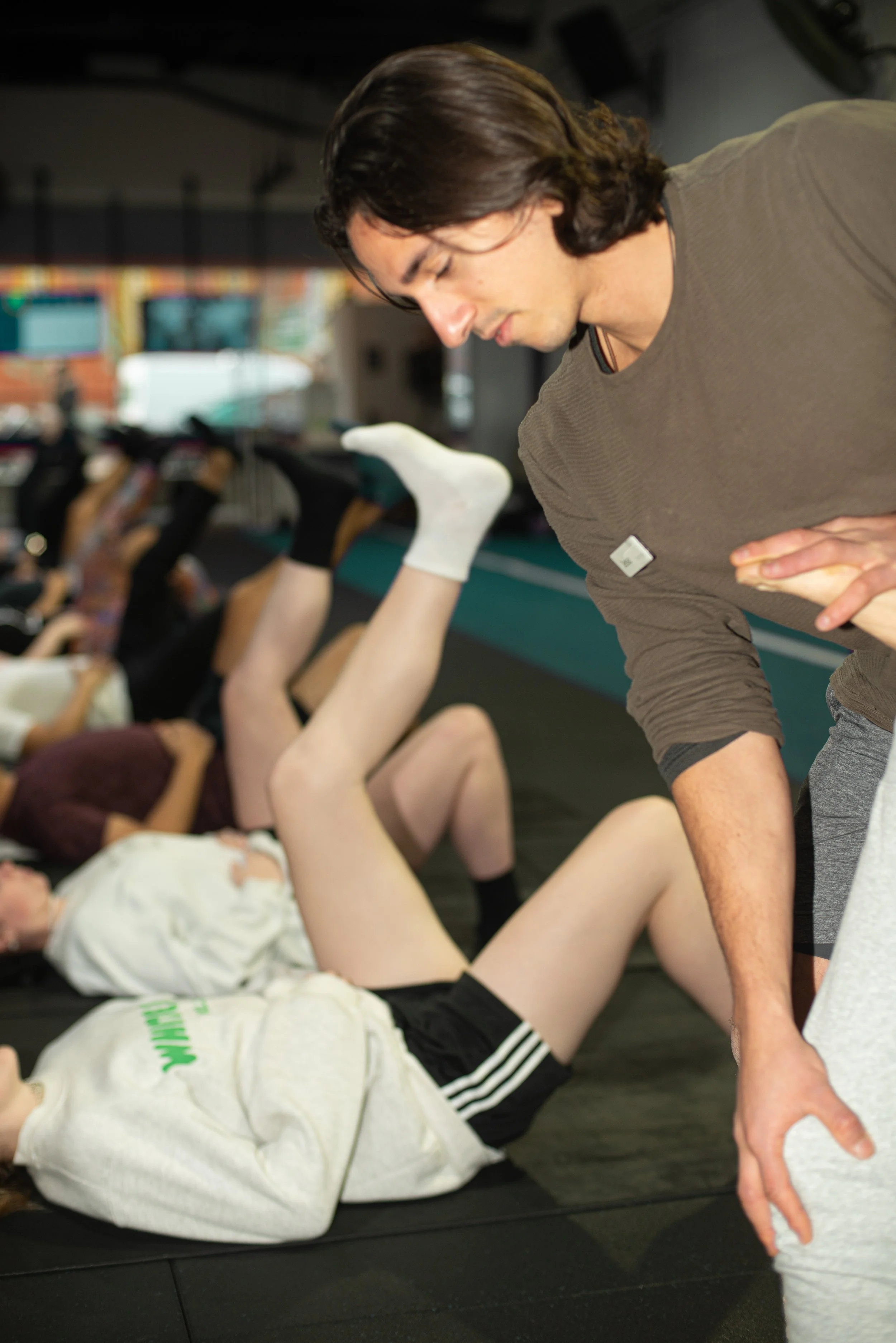
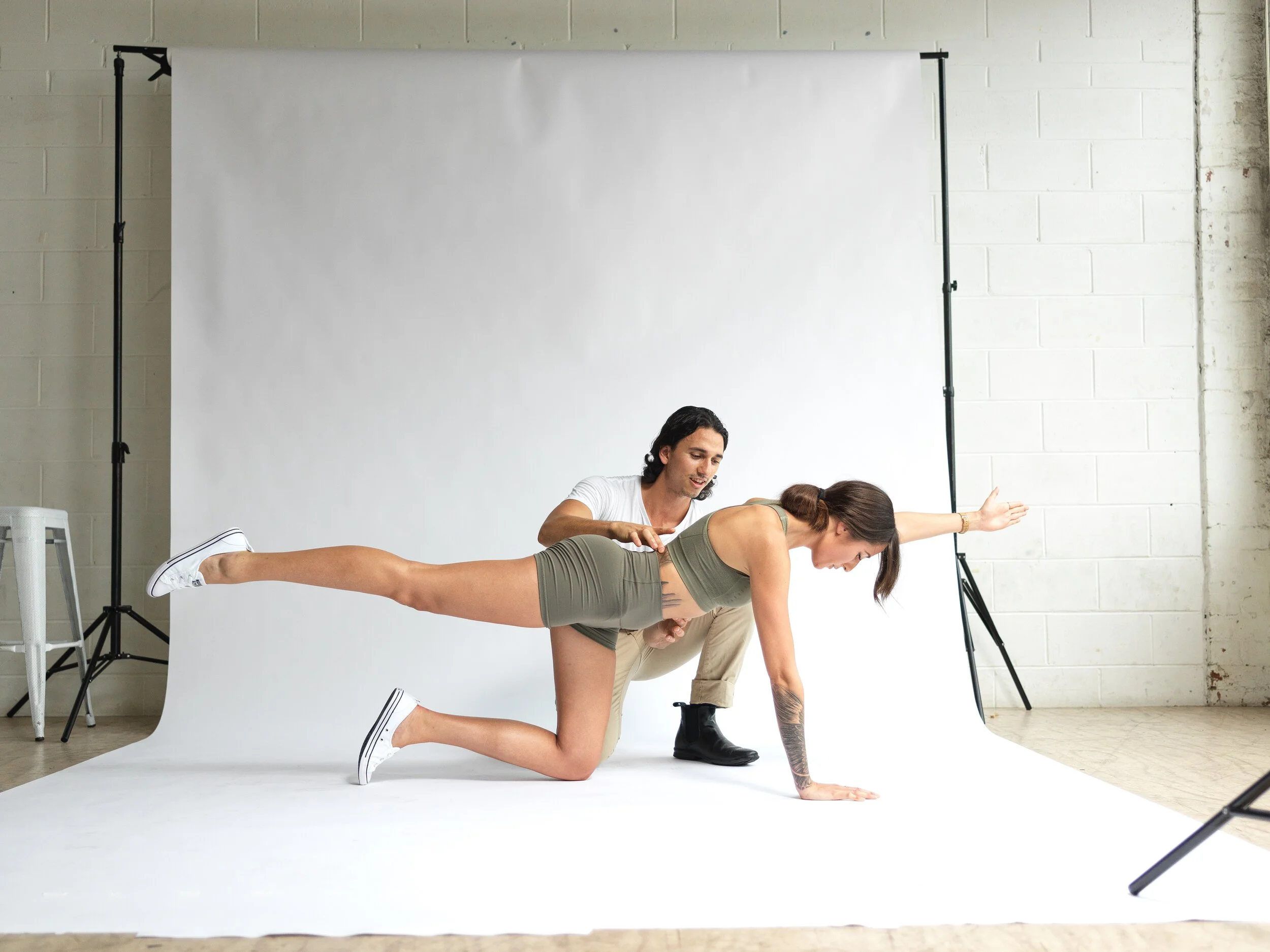
Runners often need to improve their posture, breathing, mobility and stability which running alone cannot provide. Movement therapy builds the strength, power, coordination and control needed to support the demands of running, with training tailored to your current capacity and goals.
Rather than strengthening everything indiscriminately, we identify the muscle groups and movement patterns that need attention, then progressively restore balance, co-activation and confidence under load.
What to expect at your first appointment

The first session is about understanding both the injury and what may have contributed to it. Your physiotherapist will take a detailed history of your running, training load, footwear, previous injuries and current goals, followed by a physical assessment of strength, mobility, alignment, movement control and relevant running mechanics.
From there, you will receive a working diagnosis and a clear plan for what needs to change. This may include settling the irritated tissue, rebuilding strength and load tolerance, refining your movement or running technique, and adjusting your training so you can remain as active as possible while you recover.
Most runners leave the first session with practical exercises, clear guidance around what they can continue doing, and a realistic pathway back towards their normal training.
Frequently Asked Questions
-
Often, no. In many cases, some level of running can be maintained while the injury recovers. We help you determine what your body can currently tolerate and adjust distance, intensity, frequency or terrain where needed. Complete rest may be appropriate for certain injuries, but it is not automatically the starting point.
-
Recurring injuries often mean the underlying factors have not been fully addressed. This may involve strength deficits, biomechanical imbalance, running technique, inadequate recovery or progressing training faster than the body can adapt. Rather than repeatedly treating the painful area alone, we look at the broader movement and training patterns that may be contributing so you can build greater resilience over time.
-
Not every runner needs to change the way they run. Technique changes are most useful when there is a clear reason for making them. We assess your locomotion, posture and running mechanics first, then refine specific aspects where they may improve efficiency, reduce unnecessary loading or help you achieve your running goals. Changes are introduced progressively so the body has time to adapt.
-
For most runners, yes. Running develops endurance, but it does not always provide enough stimulus to build the strength, power and tissue capacity required for higher training loads. The right strength program can improve load tolerance, running efficiency and physical resilience. We focus on the areas most relevant to you rather than giving every runner the same generic exercises.
-
Most running injuries can initially be assessed and managed clinically without imaging. If your symptoms suggest a bone stress injury, significant tissue injury or another condition requiring further investigation, your physiotherapist can recommend the appropriate imaging or medical referral.
-
No you can Book directly online or call the clinic on 0468 496 596.
Get back on track
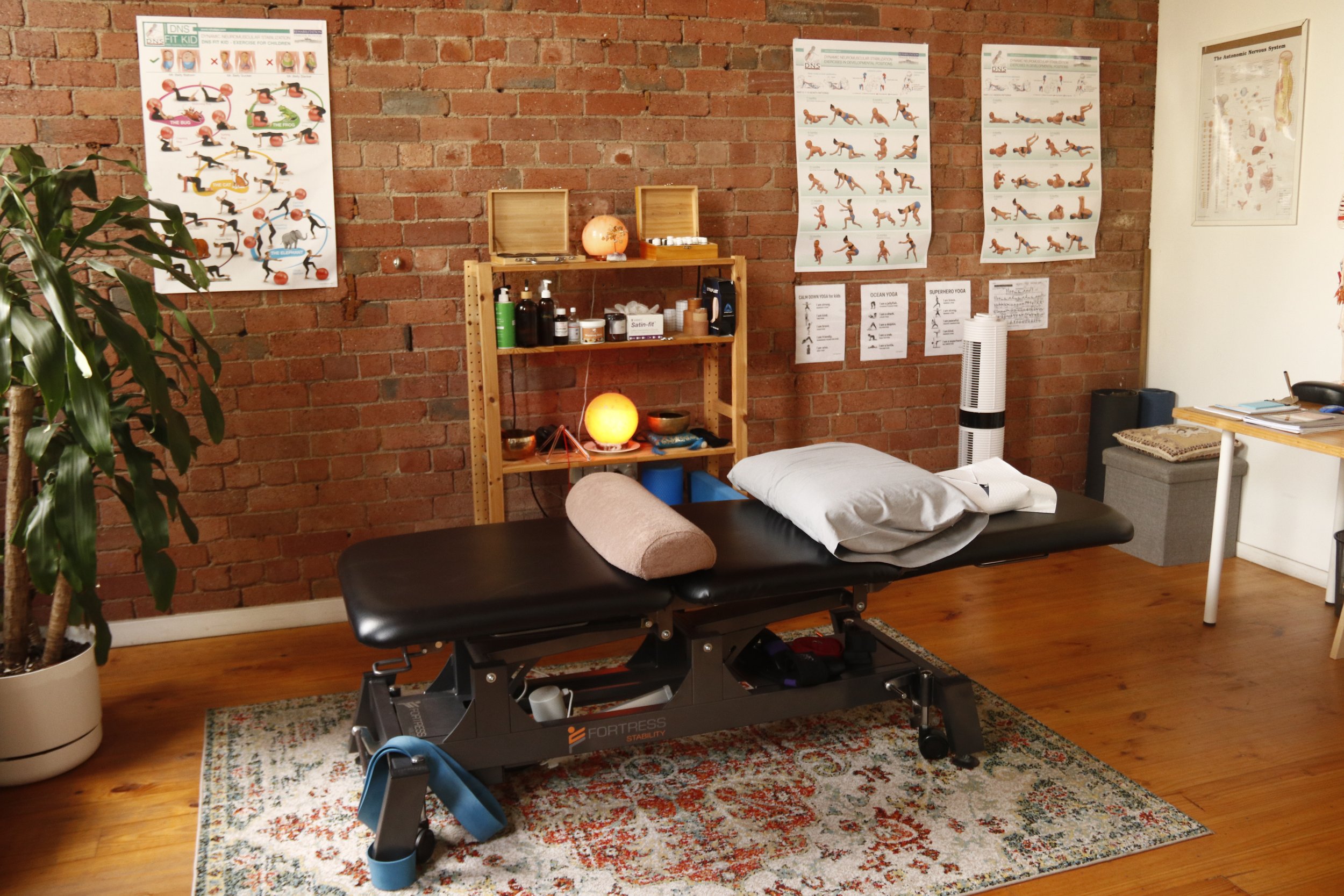
Whether your goal is getting back to a comfortable weekly run, preparing for your first event or improving your performance over longer distances, we can help you build a clear pathway forward.
Book your running injury assessment today.
188–190 Johnston Street, Collingwood, Melbourne
0468 496 596
info@lionheart.earth