Overuse and load injury treatment in Collingwood. These injuries build up gradually when the load on a tissue outpaces its ability to recover and adapt.
Overuse injuries build up gradually rather than from a single moment. They happen when the load you put through a tissue outpaces its ability to recover and adapt, whether from ramping up training too quickly, inadequate recovery, or a repeated pattern the tissue is not ready for.
At Lionheart in Collingwood, we see a lot of active people with overuse injuries: runners, gym-goers, sportspeople and weekend warriors who have pushed through a niggle until it became a problem that stops them training.
The key with overuse injuries is understanding that the tissue is not damaged so much as under-prepared for the load being asked of it. Addressing the load and capacity issue behind it, and rebuilding the tissue's capacity, makes the problem less likely to return.
Overuse injuries are worth assessing when:
If you develop sharp, localised bone pain that worsens with impact, night pain, or pain that forces you to stop mid-activity, get assessed promptly, as a bone stress injury needs specific management and appropriate loading. See your doctor first if you suspect a stress fracture or cannot bear weight.
Please also see your GP or go to an emergency department if your pain follows a significant injury or fall, comes with fever or unexplained weight loss, or if you notice new weakness, numbness, or loss of bladder or bowel control. In an emergency, call 000.
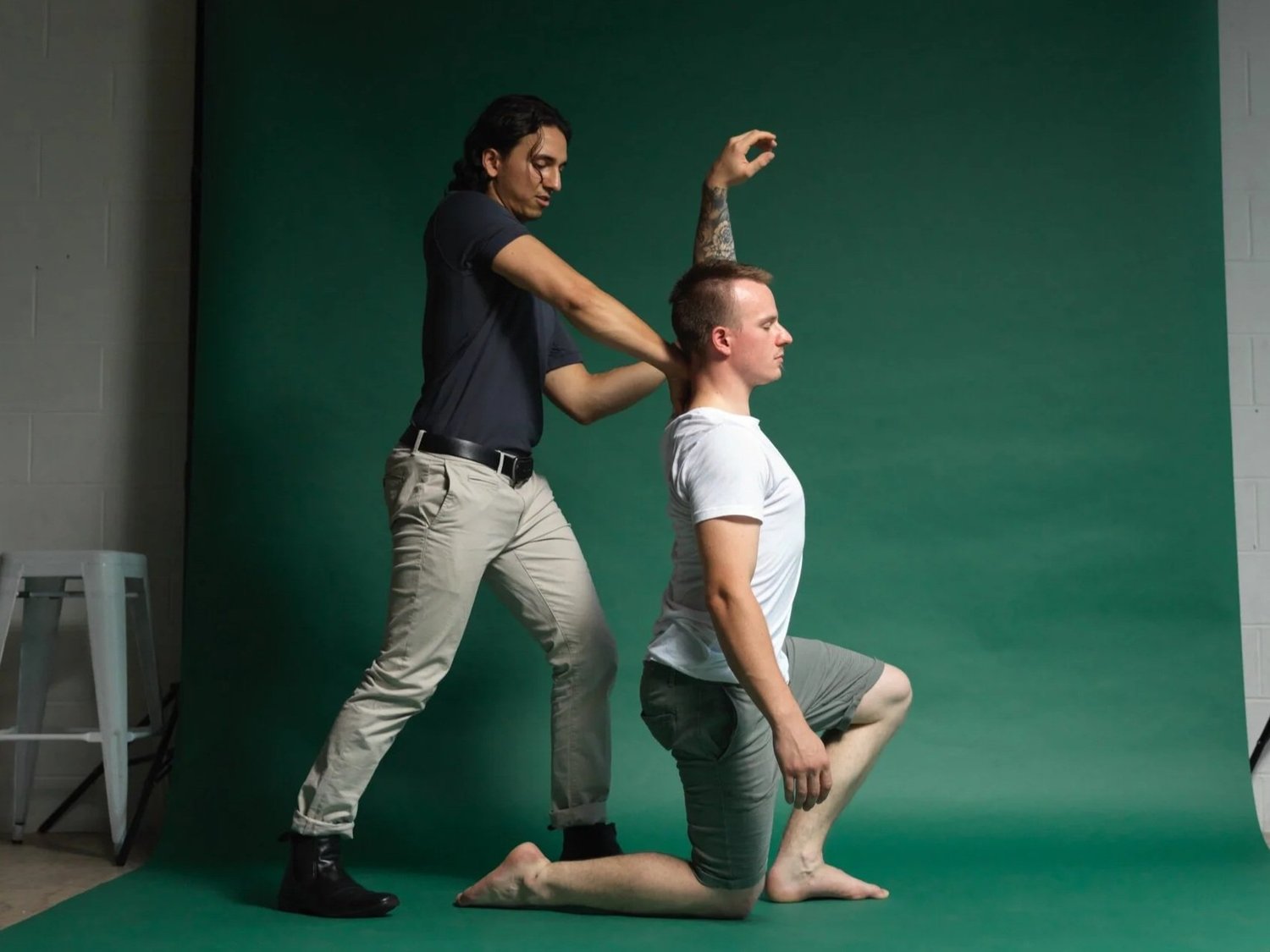
Jesse will assess the injured tissue, your strength and movement, and crucially your training load and history, because overuse injuries are load problems as much as tissue problems. Treatment combines hands-on care to settle symptoms with a carefully structured loading program that rebuilds the tissue's capacity, plus clear guidance on training modification so you can keep active while you recover.
Progressive strength and load tolerance work is the core of recovering from and reducing the chance of overuse injuries. Personal training rebuilds the capacity of the injured area and addresses the strength and control gaps that let it get overloaded in the first place.
Overuse injuries often trace back to how load is distributed. When stability and movement patterns are off, certain tissues take more than their share. DNS-informed exercise is one approach we use to retrain efficient movement and load-sharing, looking at contributing factors rather than only the symptomatic tissue.
Overloaded muscles and tissues become tight and fatigued. Remedial massage can ease this tension, support recovery between training sessions, and complements the loading program that does the long-term work.
Book an Initial Physiotherapy Appointment · Not sure? Book a free Insight Call
The first session identifies both the injured tissue and the load story behind it. Your physiotherapist takes a detailed history of your training and how the problem developed, then assesses strength, movement and the affected area.
You will get a working diagnosis and a clear plan, including how to adjust your training so you can stay active while the tissue rebuilds. Most people leave the first session with a loading program.
How long it takes depends on what is going on, how long you've had it, and what your life asks of your body. Tendons in particular reward patience and consistent loading. After your first appointment you'll have a clear picture of what to expect, and we'll review progress with you as we go.
Usually not. Complete rest lets the tissue lose capacity, so it can flare again on return. Many overuse injuries are managed with modified activity and a graded loading program rather than full rest.
Tendons adapt slowly to load. Rebuilding their capacity takes consistent, progressive loading over an extended period, and the timeframe varies from person to person.
Often yes, in a modified form. Part of our job is working out how much load you can handle without setting back the tissue, so you can keep training while you recover.
Often because the underlying strength, load or movement issue has not been addressed, only the symptoms. We focus on rebuilding capacity and addressing the load and capacity issue behind it, so the problem is less likely to return.
Most overuse injuries are diagnosed clinically. If a bone stress injury or another issue is suspected, your physiotherapist will arrange the appropriate imaging.
Overuse injuries are frustrating because they interfere with the training you love and tend to recur if the load issue is not addressed. A well-structured loading approach gives you the best chance of staying on top of it.
Book your overuse injury assessment today.
188–190 Johnston Street, Collingwood, Melbourne
0468 496 596 · info@lionheart.earth